
Countdown to the FIFA World Cup
As the countdown to the largest FIFA World Cup in history nears its end, excitement builds for a series of matches designed to catapult teams into a competitive mindset. Starting on June 12, the United States men’s national team (USMNT) will officially commence its World Cup campaign against Paraguay in Los Angeles. Anticipation runs high for this event, which spans 39 days and includes 103 matches—though one of those is a third-place play-off deemed less significant.
Preparatory Matches
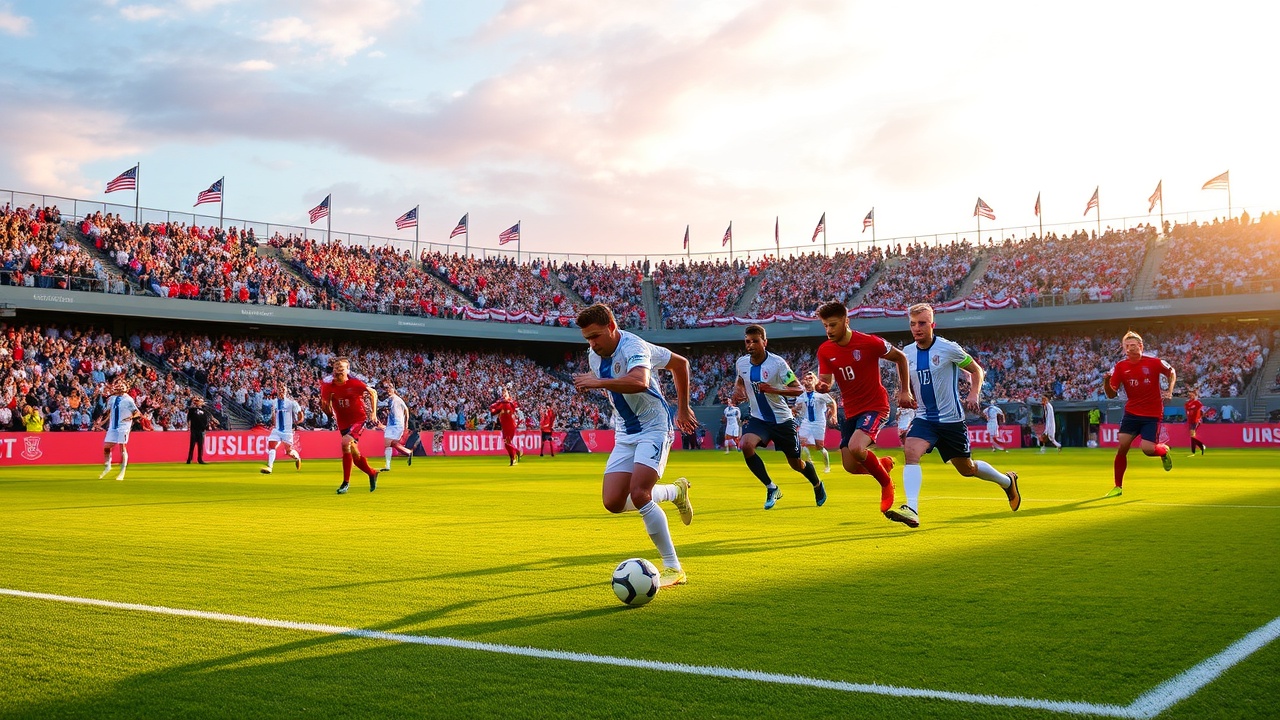
In the days leading up to this prestigious tournament, the USMNT will participate in two friendly matches: first against Senegal on May 31, followed by a face-off against Germany on June 6. While the outcomes of these matches carry no points or implications for World Cup standings, they serve essential purposes for the players and coaching staff.
FIFA allows national teams to organize these preparatory matches, particularly because club teams must release players according to strict international match windows. Considering the scarcity of opportunities for national teams to come together, these friendly matches are invaluable. There were only two windows available for national team gatherings before the World Cup, emphasizing the urgency for teams like the USMNT to maximize every chance to play together.
The USMNT’s friendly with Senegal is particularly noteworthy—it’s branded as the “Allstate Continental Clasico” and will be broadcast on platforms with which U.S. Soccer has lucrative partnerships, reportedly generating around $25 million from the English TV rights alone.
Importance of Friendlies
Beyond financial benefits, these friendlies are crucial for athlete readiness. For many players competing in top European leagues, the World Cup occurs during their off-season. Take Folarin Balogun, for example: he wrapped up his season with AS Monaco just weeks prior to the World Cup opener, necessitating these friendlies to regain competitive intensity. According to research published in the Aspetar Sports Medicine Journal, national team rosters often feature players arriving with varied competitive backgrounds, meaning coaches need to quickly assess and strategize for this high-stakes environment.
Coaching Strategies and Player Evaluations
The upcoming matches against Senegal and Germany provide a rare opportunity for the coaching staff to finalize player selections, assess pairings, and experiment with different tactical strategies. Notably, coach Mauricio Pochettino faces questions about his team’s midfield configuration after leaving Lyon midfielder Tanner Tessmann off the roster. With only a handful of natural central midfielders, finding the right combination alongside Tyler Adams will be critical. The recent roster cuts create openings in the squad structure, as players like Malik Tillman and Gio Reyna may step into necessary midfield roles.
In defense, Pochettino has included a number of center backs to tackle potential vulnerabilities, particularly with veteran Tim Ream’s limitations in speed being a concern. Friendly matches like these not only allow the team to evaluate alternatives for strategic interests but also test resilience against quality opponents.
Conclusion
With tactical experiments and player evaluations at stake, the USMNT’s pre-World Cup friendlies represent more than mere practice—they’re pivotal moments for assessing readiness and refining strategies critical for success at the World Cup.