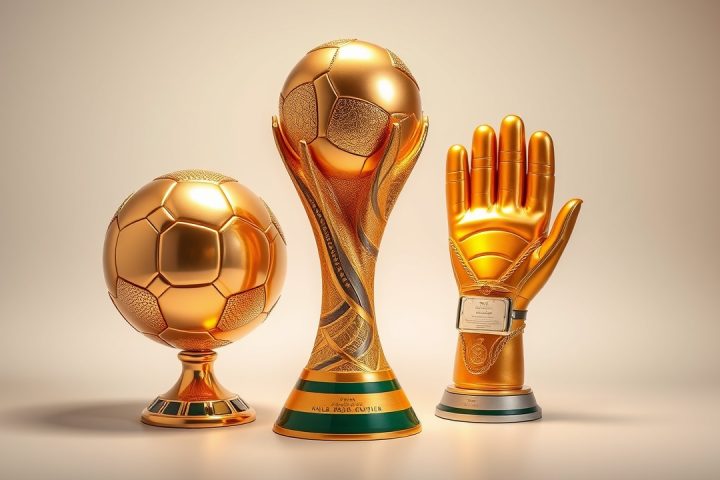

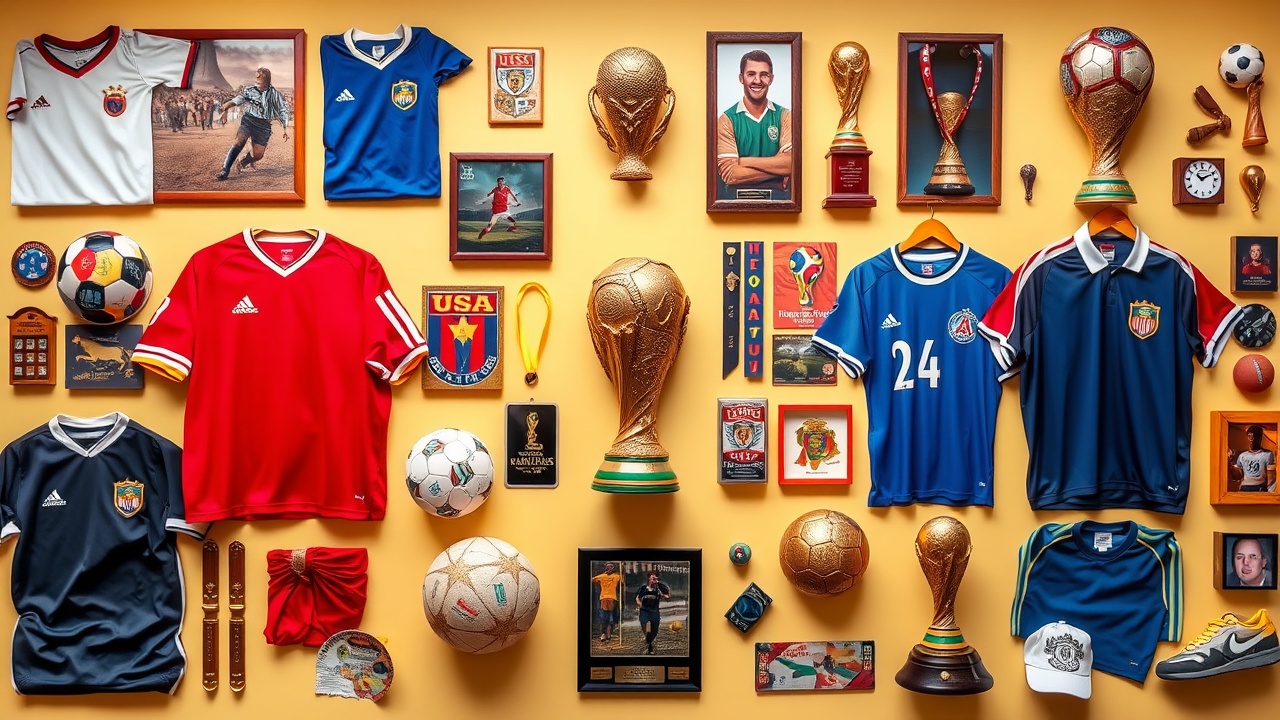
FIFA’s Collectibles from the 2026 World Cup
This summer, FIFA plans to collect a variety of items from the 2026 World Cup matches, although the exact methods remain undisclosed. Among these collectibles will eventually join artifacts such as the net from the 2018 World Cup final and the tracksuit once worn by Brazilian legend Pelé during his first World Cup appearance in 1958. These pieces are housed in FIFA’s museums located in cities like Vancouver, Miami, Zurich, and Hong Kong.
However, the organization lacks several significant memorabilia items, including Ronaldinho’s jersey from the famous free-kick against England in 2002 and the boot worn by Mario Götze when he scored the decisive goal in the 2010 final.
Historical Significance of Memorabilia
One of the earliest items that initiated FIFA’s fervor for memorabilia was Pelé’s medal from the victorious 1970 World Cup, now oddly located at a Saracens rugby club in Northern London instead of a more expected venue in Brazil. This narrative unveils collectibles that document the history of the World Cups through 22 meaningful items.
The Inaugural World Cup and Its Mysteries
The inaugural World Cup, held in 1930, showcased an interesting solution to balls during the final when Argentina and Uruguay were allowed to use their own: Argentina’s ball was lighter and utilized during the first half, while Uruguay’s ball was employed in the second half, which resulted in Uruguay winning 4-2 and claiming the trophy named Victory. However, the whereabouts of the Argentina ball used in the first half remain a mystery; its current location is unknown.
Impressive Collections and Notable Events
Italian fan Matteo Melodia boasts an impressive collection of soccer tickets, starting from 1987, which at one time included around 60,000. Currently, he’s curated it down to 7,000, encompassing nearly every World Cup match ever played, even some for games that never occurred. His most prized possessions are tickets from the 1934 World Cup’s final and semifinal matches, with only a handful known to exist.
The Trophy’s Tumultuous History
The trophy’s tumultuous history continues as Italy claimed back-to-back World Cups in 1938, defeating Hungary to secure their second title. During World War II, the trophy was tucked away in a bank and ultimately smuggled by the Italian FA president for safekeeping in a shoebox under his bed, showcasing the lengths gone to protect this piece of history. The trophy was recovered after the war, yet has since been lost, with the most lasting memory being its theft from the Brazilian Federation in 1983, from which it was never recovered. The original base plate, however, was eventually rediscovered in FIFA’s Zurich office in 2015.
Memorable Matches and Cultural Impact
After a lengthy hiatus due to World War II, the World Cup resumed in Brazil in 1950. This edition was unique, notably lacking a final, and culminating instead in a final group stage match where Brazil faced Uruguay in an anticipated showdown at the Maracanã stadium. A shocking defeat for Brazil saw them lose to their rivals, cementing a legacy of heartbreak. The game’s fatal error became a haunting memory for goalkeeper Moacir Barbosa, whose career and life suffered in the aftermath.
Following this, in 1966, England hosted a climactic final against West Germany amidst one of football’s most thrilling matches. Geoff Hurst made history by scoring a hat-trick, an achievement not repeated until Kylian Mbappé in 2022. His performance and the match’s drama are cemented in the memories of fans, alongside the lingering presence of Hurst’s jersey on display at Saracens rugby club.
Modern World Cups and Their Legacy
Fast forward to the 2010 South African World Cup, a tournament made infamous by the buzzing vuvuzelas, an instrument that both captivated and annoyed fans globally. Though intended to enhance atmosphere, FIFA ultimately prohibited the horns from future events due to the controversy.
Other legends such as Zinedine Zidane left indelible marks in football history. His headbutt during the 2006 final remains one of the tournament’s standout moments, symbolized by a statue erected in Qatar. Meanwhile, Mario Götze’s scoring boot from the 2014 final, which conquered Argentina, was auctioned at a staggering price just months after the match.
Conclusion
Through these items, not only do the sporting achievements come alive, but the emotions, challenges, and stories behind them weave a rich narrative that spans generations, highlighting football’s profound impact on cultures around the globe. FIFA’s initiative to collect these historical items ahead of future tournaments continues this legacy of preserving soccer’s thrilling history, ensuring that these tales live on for new generations to discover and celebrate.