

The Arthur M. Blank National Training Center: A New Era for Soccer in the U.S.
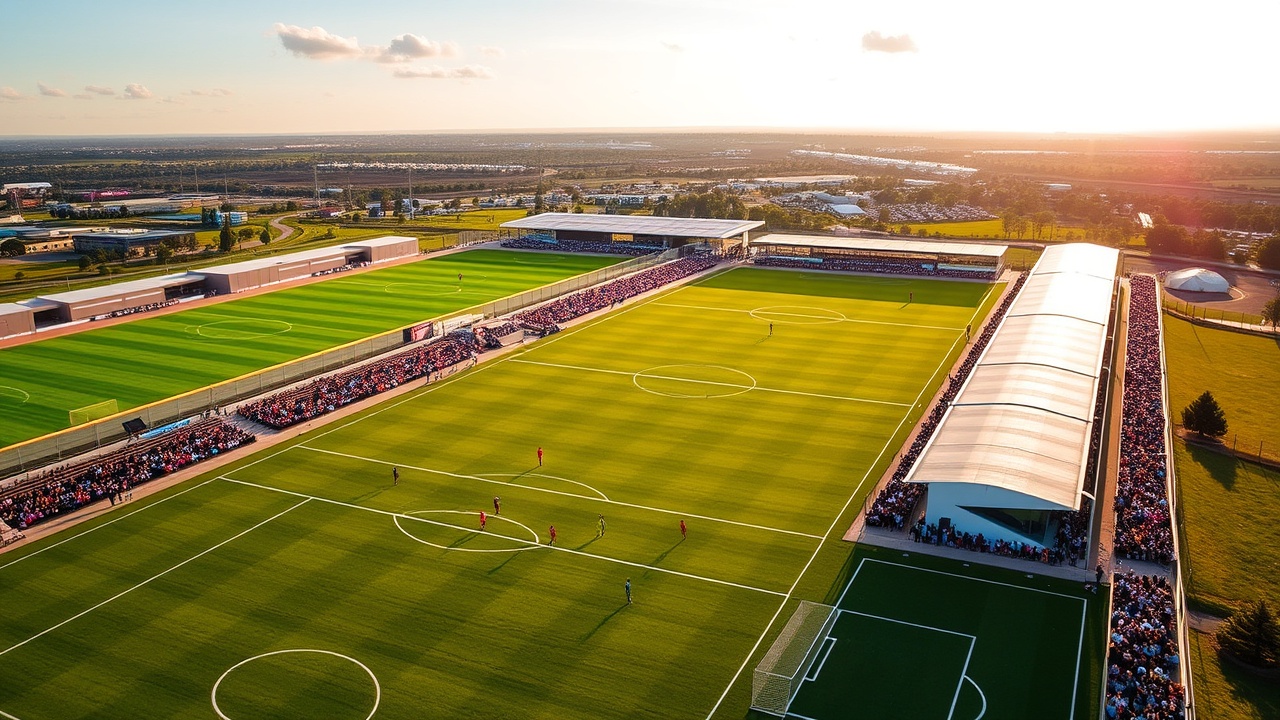
The landscape of soccer in the United States has shifted dramatically with the introduction of the Arthur M. Blank National Training Center (NTC) located on a sprawling 200-acre plot just south of Atlanta. Officially inaugurated in early May, this state-of-the-art facility serves not only the U.S. men’s national team as they gear up for this summer’s FIFA World Cup, but also aims to become a central hub for soccer in America. Equipped with 17 outdoor fields, two indoor courts, a vast 10,000-square-foot gym, and 20 locker rooms, the NTC encompasses over 400,000 square feet, all crafted to cater to the needs of athletes and staff.
Transformative Vision and Strategic Location
Former sporting director Matt Crocker, who left his position in April, heralded the facility as the best in the world, according to comments made to ESPN.
“It’s going to be a transformative space for national teams, coach education, referee training, and community engagement,”
he said. The ambitious vision for the NTC includes creating lasting memories not only for elite athletes like Christian Pulisic but also for local organizations that will utilize the center for various activities.
Prior to the establishment of the NTC, U.S. Soccer operated in a somewhat nomadic fashion, often relying on rented facilities for training. Despite having a modest location in Southern California, which primarily supports the LA Galaxy, the federation struggled with inadequate resources for a cohesive training environment. The previous headquarters in Chicago and a smaller training facility in Kansas City were insufficient to support the growing needs of U.S. Soccer’s extensive network of 27 national teams.
The selection of Atlanta for the NTC was strategic, benefiting from its close proximity to a major airport, favorable weather year-round, and the financial backing from Arthur Blank, a local sports team owner, alongside contributions from sponsors like Coca-Cola and land donations from Chick-fil-A’s CEO Dan Cathy. Groundbreaking for the NTC took place in 2024, leading to its current status as the federation’s central base, housing over 350 employees daily.
“Now, all national coaches and high-performance staff are located in Atlanta,”
Crocker explained, highlighting the unification of resources that the NTC brings.
Supporting Development and Community Engagement
General manager Tom Norton praised the immense scale of the center, noting its ability to support simultaneous training for multiple teams due to its 20 locker rooms.
“There will be ongoing soccer activities here nearly every day,”
he stated. This operational capacity aligns with a focus on providing a player-centric environment, ensuring that no aspect of athlete preparation is overlooked.
Beyond serving national teams, the NTC is committed to fostering the development of all soccer-related personnel. The center aims to position itself as a leader in coach and referee education, offering year-round programs that attract participants from local clubs and state associations.
“We envision the NTC as an operational hub that is vibrant and engaged all year round – a place where innovation and education in soccer thrive,”
said Crocker.
While U.S. Soccer is often spotlighted during major events, the NTC’s influence extends deeply into the local community as well. Neil McNab, head of Atlanta’s Rush Union Soccer, noted the facility’s potential to elevate soccer in Georgia, drawing in not just players, but also top-level coaches and referees. He remarked on local youth players being invited for special events, underscoring a commitment to grassroots engagement.
Jim Walker, executive director of the Georgia State Soccer Association, expressed enthusiasm about hosting meetings and possible tournaments at the NTC, recognizing it as an essential resource for regional development. The center is seen as a catalyst that can enhance training and educational opportunities within the local infrastructure, reducing reliance on high schools and other less suitable venues.
Looking Ahead
As this nascent facility begins its journey, its full impact on soccer culture and development will unfold over the coming years. However, the excitement surrounding the NTC is palpable, signifying not just a new chapter for U.S. Soccer but the beginning of a broader commitment to nurturing the game from the ground up.
“This is not just a destination but a launchpad for future growth and excellence in soccer,”
McNab concluded, alluding to the ongoing opportunities the center will provide.