
The Excitement of the 2026 Men’s World Cup
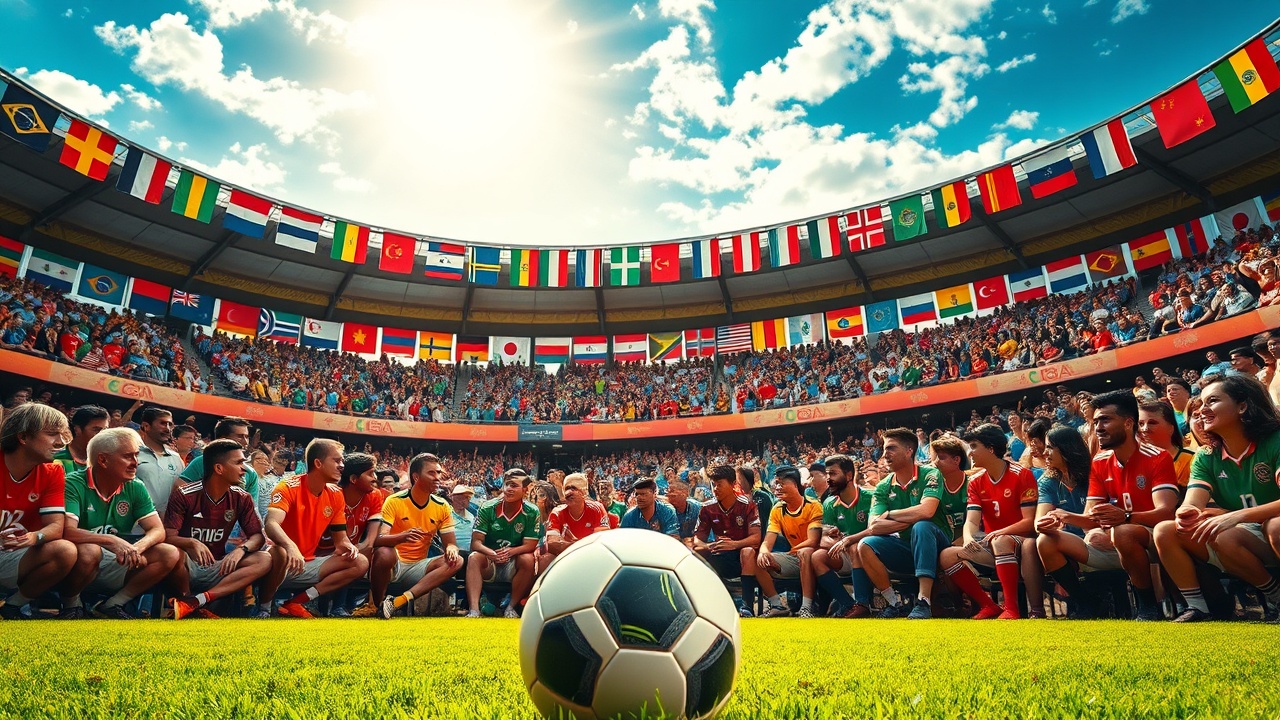
The much-anticipated 2026 Men’s World Cup is just around the corner, stirring excitement as football prepares to dominate headlines once again. Amidst discussions about ticket costs, parking fees, and concerns over Iran’s participation, the focus is finally shifting back to the beautiful game itself. As it has been for previous World Cups held in South Africa, Brazil, Russia, and Qatar, attention will inevitably center on the teams and their stars rather than the controversies that often surround these massive sporting events.
Historical Highlights
Historical highlights from past tournaments set the stage for what’s to come. In 2022, Lionel Messi and Argentina captured the memories of Qatar, while Kylian Mbappé‘s youthful brilliance at the 2018 tournament in Russia made him a household name. Similarly, Germany’s stunning 7-1 victory over Brazil in 2014, forever etched as the “Agony of Belo Horizonte,” and Spain’s triumph in 2010 are iconic moments that define those World Cups.
Looking Ahead to the Largest World Cup
As we approach the largest World Cup in history with a record 48 teams, it’s important to reflect on the exciting matches yet to unfold, despite pre-tournament worries about stadiums still under construction and issues related to transportation and worker rights. Past experiences indicate that such concerns often vanish as the matches kick off, allowing the raw energy of the game to take center stage.
Star Players and Underdogs
This World Cup offers a unique stage where star players like Messi, Cristiano Ronaldo, and Harry Kane stand out, but it also opens the door for lesser-known athletes to make an impact. Imagine the joyous uproar in Bosnia-Herzegovina if Edin Dzeko nets a decisive goal, or the celebration in Haiti should Wilson Isidor secure a victory against Scotland during their inaugural match in Boston on Sunday. These are the moments that encapsulate the extraordinary nature of the World Cup, an event that enables nations to shine globally.
Countries that have historically been overshadowed, like Cameroon in 1990 or Senegal in 2002, could similarly astonish the world with their performance. For underdogs such as Curaçao, Cape Verde, Jordan, and Uzbekistan participating for the first time, the opportunity to achieve a defining moment awaits. Morocco’s impressive semifinal run in Qatar exemplified how an unexpected team can ascend to greatness, and with enhanced chances for lower-ranked teams to flourish in this expanded tournament, surprises are bound to occur.
Anticipation and Predictions
As fans put forth their predictions for final group standings with enticing prize incentives, the excitement will mount. Although the group stage may feel lengthy as teams narrow down from 48 to 32, the thrill of watching multiple matches daily creates an addictive atmosphere. As we anticipate the first day devoid of fixtures on July 8, that emptiness will deepen our yearning for the tournament.
The Magic of the Knockout Phase
When the knockout phase commences, the true magic of the World Cup comes alive with nail-biting moments, whether through dramatic extra time, penalty shootouts, or unexpected upsets. Countries with legitimate aspirations for victory are primarily traditional powerhouses—Argentina, Brazil, England, France, Germany, and Spain—but Portugal could potentially emerge victorious for the first time in their history.
Conclusion
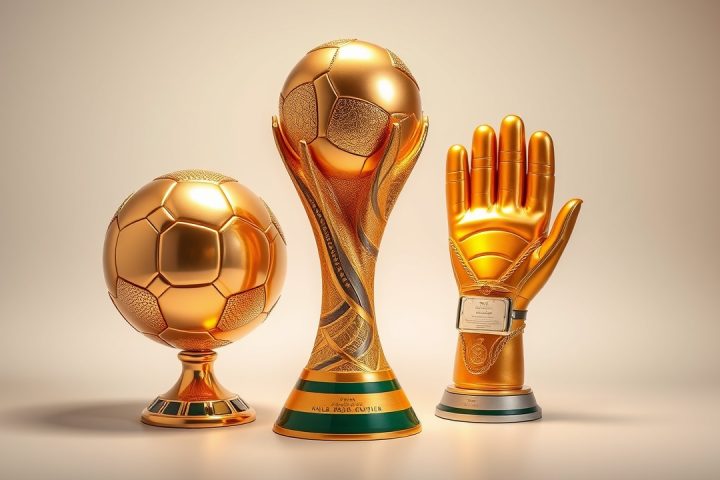
Ultimately, by the time the trophy is awarded on July 19 in New Jersey, the tournament narrative will revolve around the on-pitch performances and emerging talents. New stars will capture the spotlight while legends like Ronaldo, Messi, and Luka Modric may make their final appearances, leaving fans worldwide with newfound heroes. Just like every World Cup before it, the chatter prior to the matches will fade, replaced by exhilarating football stories that resonate long after the final whistle.