
PSG’s Dominance in European Football
Budapest, Hungary – Paris Saint-Germain (PSG) has achieved a remarkable feat by securing consecutive UEFA Champions League titles, showcasing their dominance in the tournament. Their recent victory against Arsenal underscored not only their tactical strive for excellence but also a long and grueling journey to the final. The questions now arise regarding the implications of PSG’s accomplishments on modern football: What insights can be drawn from their success, and is it a model that can be emulated by other clubs?
Coaching and Tactical Approach
PSG’s approach, led by coach Luis Enrique, represents a blend of athleticism and tactical fluidity that many clubs aspire to attain. Utilizing a 4-3-3 formation, his team excels in both speed and control, adapting their tempo as needed. Players are encouraged to express their creativity in a structured environment, ensuring a cohesive unit rather than individualistic play.
Notably, while others in Europe adapt similar tactics, PSG’s situation is somewhat unique. Luis Enrique entered the season under the shadow of limited preparation time due to their participation in the FIFA Club World Cup. Initially, they seemed to struggle, even requiring a late goal to draw against Tottenham Hotspur in the UEFA Super Cup—a team now facing relegation concerns in the Premier League.
Financial Strength and Tactical Flexibility
Despite these early challenges, PSG’s financial strength and the league structure of Ligue 1 provided them with the luxury of spending the regular season building up momentum without the pressure faced by clubs in more competitive leagues like the Premier League or LaLiga. This tactical flexibility allowed them to reserve their energy for critical moments, creating an unusual advantage over competitors.
Luis Enrique’s adept coaching also deserves recognition. His bold decision-making has positioned him as a central figure in the club’s strategy, unlike the larger-than-life stars that previously dominated the team’s identity. PSG’s shift from relying on established superstars—such as Lionel Messi, Neymar, and Kylian Mbappé—to a roster of younger, eager players was not purely about sporting performance but also a financial necessity. Nevertheless, this shift has granted Enrique the freedom to mold the team according to his vision.
Brand Identity and Global Appeal
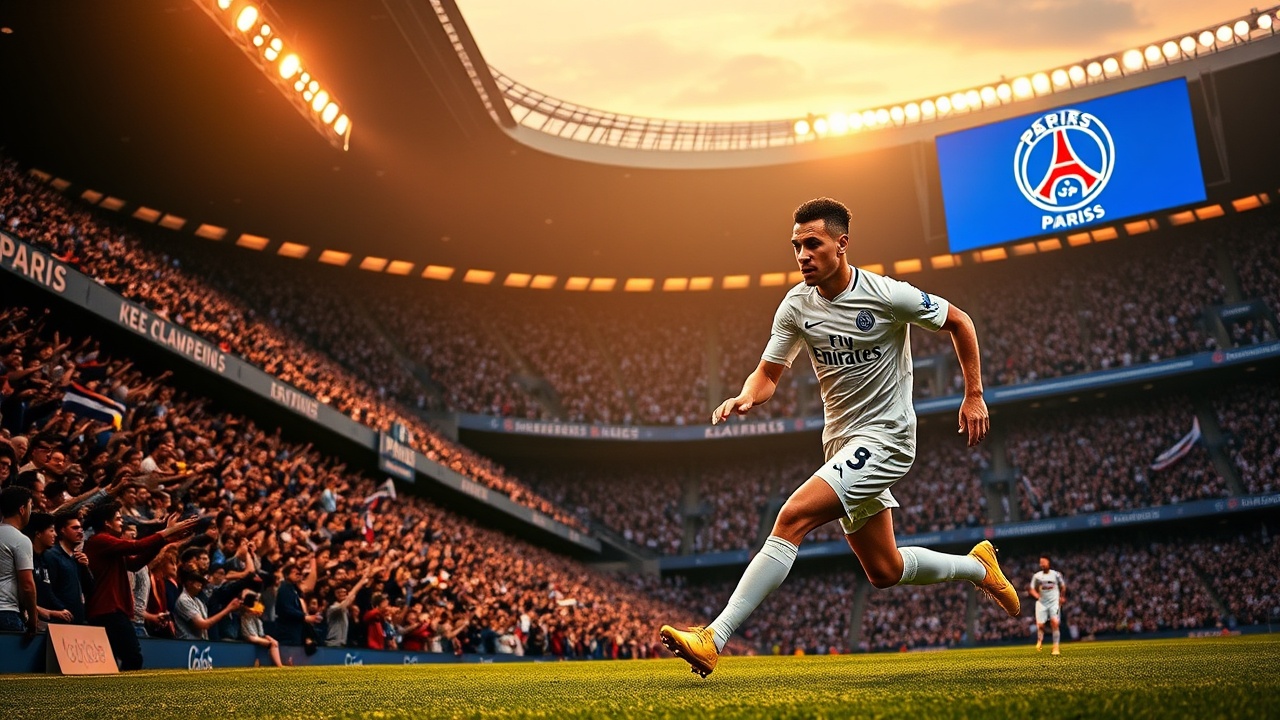
PSG has successfully fostered a strong brand identity that resonates globally. Their marketing prowess and unique style of play make them appealing on platforms like TikTok, where highlights emphasize the team’s flair. The current generation of fans may not tune into every PSG match but relish the sensational snippets available online, allowing the club to thrive as a contemporary luxury brand in the sporting world.
Financially, PSG boasts impressive numbers, reportedly earning over €160 per match for each seat in the 48,000-capacity Parc des Princes—substantially higher than many elite clubs, including Arsenal. While strategic partnerships and sponsorships significantly bolster their earnings, PSG’s capability to compete internationally without the weekly exposure of top leagues is notable.
Local Support and Global Aspirations
The essence of PSG’s reach is visible at home games, where their slogan,
“This is Paris,”
dominates. Their branding harmonizes with their city’s image in a way that fosters genuine connection with local supporters, unlike many other major clubs that can’t claim similar authenticity.
PSG’s journey illustrates a complicated interplay between a desire to be a global entity and maintaining strong local support. The club has navigated this dichotomy skillfully, positioning itself as a model for growth amid evolving challenges. They have established a clear direction that has led them to prominence in football’s global arena, providing a unique case study in success that is not without its advantages and baggage.