
The Evolution of the National Women’s Soccer League
The National Women’s Soccer League (NWSL), which has evolved from its initial start-up status, is now navigating the pivotal transition between a growth phase and a more expansive future. Emulating the language of Silicon Valley, NWSL leaders recognize that their future hinges on a critical question: what identity will the league adopt as it seeks to grow into a more substantial and impactful entity without sacrificing the core spirit that has driven its success?
From Survival to Thriving Growth
Unlike the initial years when the league launched on limited resources in 2013 and the specter of previous failed women’s soccer leagues loomed, the NWSL has transformed into a significant business entity backed predominantly by wealthy investors. This transition from survival to thriving growth poses an identity crisis for the league – aiming to broaden its appeal while maintaining the loyal fan base that has supported it through thick and thin.
Current Metrics and Challenges
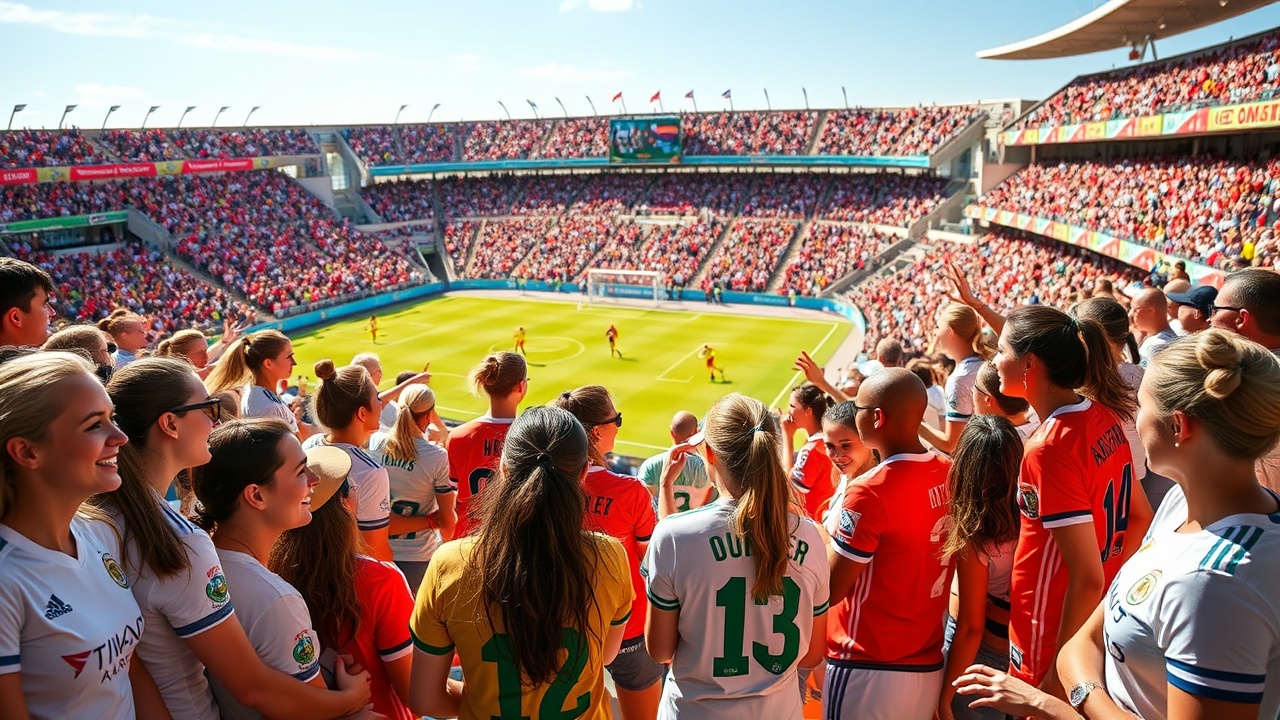
Current metrics demonstrate the NWSL’s impressive journey, including a doubling of franchises and attracting staggering attendance numbers, such as 63,000 fans at a recent NFL stadium event. These developments underscore the league’s integration into mainstream sports culture, yet they also come with challenges, particularly in courting a wider audience beyond the dedicated long-term supporters.
Recent Missteps and Controversies
“A notable example is the short-lived partnership with recovery drink brand Unwell, aimed at attracting a Gen Z fan base. The plan backfired, facing backlash from dedicated supporters who found the initiative distasteful, especially given its launch immediately following the league’s crisis involving Savy King.”
As the partnership quietly concluded, it highlighted the difficulties the NWSL faces in evolving its brand without alienating its historical supporters. Additionally, the league’s prior sponsorship deal with cryptocurrency company Voyager ended in controversy when Voyager filed for bankruptcy shortly after the announcement. Such instances raise questions about the league’s rapid commercialization and the types of partnerships it pursues, which now involve bigger investments and stake claims on local communities.
Community Involvement and Expansion
The establishment of the Boston Legacy franchise exemplifies the growing intersection of sports, politics, and community involvement, as ongoing debates surrounding the legality of stadium renovation reflect the complexities involved in the NWSL’s expansion. Similarly, the awarding of a new franchise in Columbus, amid concerns over land use and public versus private interest, has stirred local dissent.
Financial Growth and Fan Experience
Monetary figures tell a compelling story of growth, with NWSL franchise fees skyrocketing from $2 million to now $205 million, but these figures don’t come without pushing the envelope on brand identity and fan experience. The shift in merchandise production from a niche trading card company to the global powerhouse Panini means costs could climb five-fold for fans, illustrating how economic changes impact devoted followers just as much as newcomers.
Player Wages and Infrastructure Development
Despite these challenges, players are now experiencing significantly improved wages, and the league’s infrastructural developments have created vibrant, sold-out atmospheres unlike the modest beginnings seen in the 2013 launch. Fans now enjoy quality broadcasts of matches rather than the low-resolution streams of yesteryears.
Leadership and Future Directions
NWSL Commissioner Jessica Berman has voiced the importance of aligning with her constituents while overseeing the expansion of this operation. However, fans have expressed criticism over the corporate language used by leadership, sparking discussions about the motivations behind new business partnerships and the ethical implications involved.
Balancing Tradition and Growth
As the NWSL seeks to broaden its appeal and reach new audience segments, it faces the reality that every step forward necessitates some degree of change – a fact that longtime supporters may struggle to accept. The challenge lies in blending the loyalty of original fans with the demands of a broader, more commercial market.
With the goal of doubling attendance and attracting larger television audiences, the league stands at a crossroads of its own potential. Ultimately, the NWSL’s success will hinge on its ability to strike a balance between nurturing its foundational supporters while also inviting in a new generation of fans. Addressing these diverging needs will likely define the NWSL’s trajectory in becoming a significant cultural force in women’s sports.