
Jaylen Brown’s Frustration with Officiating
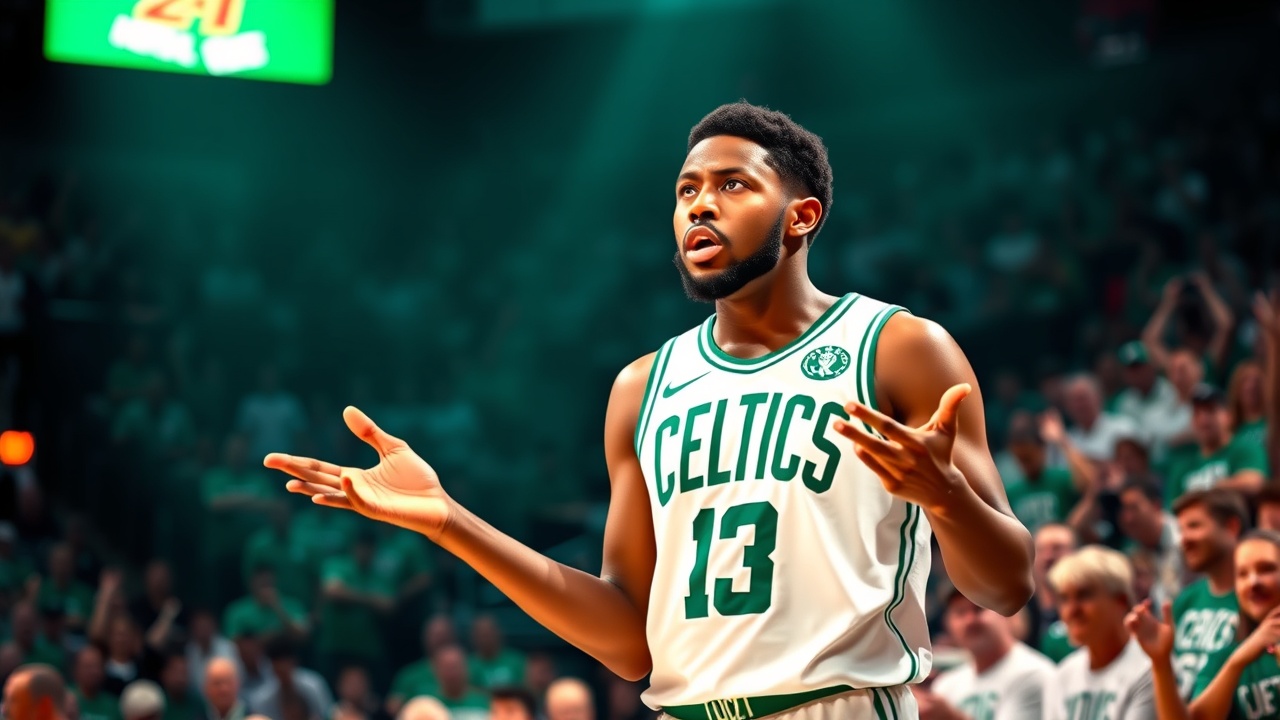
In an outspoken moment during his recent Twitch broadcast, Jaylen Brown, a forward for the Boston Celtics, expressed his frustration over the officiating during his team’s narrow first-round playoff exit against the Philadelphia 76ers. He suggested that the referees seemed to have a bias against him, stating emphatically,
“they had an agenda”
throughout the closely contested seven-game series.
Accusations Against Joel Embiid
Brown’s ire also extended to Philadelphia’s Joel Embiid, whom he accused of frequently resorting to flopping, a tactic he argues detracts from the integrity of the sport.
“Joel Embiid is a phenomenal player, one of the greatest big men in the history of the game, but he flops,”
Brown asserted.
“This isn’t new information. It is what it is.”
Inconsistent Officiating
He illustrated his concerns by highlighting an instance involving Sixers forward Paul George, who appeared to push off on a defender before scoring.
“If you’re going to call push-offs, call that. Same refs, same move,”
Brown pointed out, criticizing what he perceives as inconsistent officiating.
“If it were me, it would be an offensive foul, every single time,”
he added.
Statistical Support for Brown’s Claims
The data supports Brown’s complaint, as he was whistled for 10 offensive fouls during the playoffs—significantly more than any of his peers, including Jalen Duren, Karl-Anthony Towns, Neemias Queta, and Stephon Castle, who were tied for the next-highest with five.
Concerns Over Favoritism
Brown, who also received the second-most offensive fouls during the regular season with 40 trailing only Towns, expressed concern over perceived favoritism in officiating, saying,
“It’s clear there’s an agenda. The same move brings different calls. I think some referees should be investigated. We had three of them in the last three games.”
Overall Series Foul Calls
Despite the furor, the foul calls in the Celtics-76ers series were nearly equal, with Boston being assessed 136 personal fouls compared to Philadelphia’s 132. Brown’s frustrations seem rooted not only in his own experiences but also in a broader critique of how star players are protected versus the treatment of players like himself.