
FIFA Rescinds Ticket Allocation for Iranian Supporters
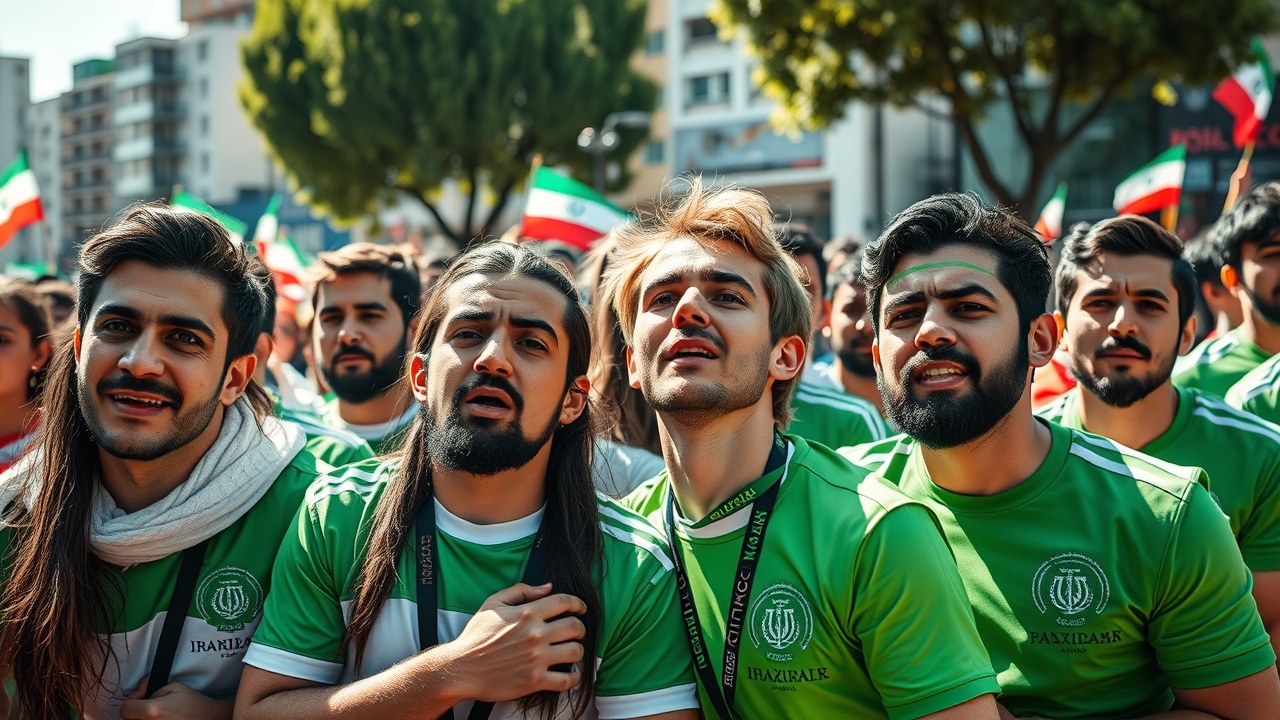
The Iranian football federation announced on Tuesday that FIFA has rescinded its allocation of tickets for Iranian supporters ahead of the national team’s scheduled matches in the World Cup taking place in the United States. Each of the 48 participating teams traditionally receives approximately 8% of stadium seating, translating to thousands of tickets per match. However, with the first game against New Zealand set for June 15 at the Los Angeles Rams’ stadium in Inglewood, Iranian officials have reported that they are unable to provide any tickets for fans due to this unforeseen decision.
Political Tensions and Fan Attendance
This move intensifies ongoing tensions involving Iranian football, FIFA, and the United States, which has initiated military operations against Iran as recently as February 28. The Iranian soccer federation expressed concerns that these political actions by the U.S. are significantly impacting the ability of Iranian fans to attend the matches, stating,
“The United States has now taken steps to obstruct the presence of Iranian supporters at the stadiums.”
FIFA, which retains full control over World Cup ticketing, has responded by affirming its commitment to working alongside the Iranian federation to explore compliant options for enabling fan attendance. Both FIFA President Gianni Infantino and Secretary General Mattias Grafström have previously assured Iranian officials of their logistical support during discussions held in Turkey.
Challenges for the Iranian Team
The situation is further complicated by the fact that most of Iran’s squad has not engaged in competitive play since February due to the suspension of their domestic league caused by ongoing warfare. Now, the team finds itself training in Tijuana, Mexico, deviating from earlier plans to prepare in Tucson, Arizona. As they head to their seventh World Cup, they are also scheduled to face Belgium on June 21 and Egypt on June 26 in Inglewood and Seattle, respectively.
Visa Issues and U.S. Sanctions
U.S. officials, including Andrew Giuliani, executive director of the White House FIFA task force, have stated that the team will be allowed entry into the country the day prior to their matches. However, numerous Iranian officials have reportedly faced visa issues, with some barred from coming to the U.S. altogether. While Giuliani did not elaborate on specific cases, he indicated that certain individuals claiming coaching roles might not qualify based on scrutiny of their backgrounds.
Ongoing U.S. sanctions are likely to create further obstacles for fans wishing to travel to support the national team. Past practice for federations involves allocating tickets to dedicated supporters, which adds another layer of distress to the federation’s statement that they can no longer offer any tickets to Iranian fans.
Concerns Over Accessibility and Immigration Policies
The U.S. government’s travel ban on Iranian residents—which has been in effect since last year—coupled with existing geopolitical tensions, raises serious questions about ticket accessibility for Iranian fans. FIFA has historically recognized the critical importance of fan access, as Infantino asserted in 2017 that every qualifying team and its supporters must be granted the opportunity to attend the World Cup, emphasizing the idea that it would be inconceivable to host such an event without the presence of these individuals.
As the kickoff for the tournament approaches on Thursday, concerns about U.S. immigration policies loom large. The recent denial of entry to a FIFA-selected match referee from Somalia and the detainment of an Iraqi player in Chicago highlight the considerable disruptions that could overshadow the upcoming games. Piara Powar, head of the Fare Network, a FIFA anti-discrimination partner, has voiced concerns over the implications of U.S. immigration practices, questioning whether FIFA or U.S. government policies are dictating the terms of the World Cup.
“Before a ball has been kicked, the sense that this World Cup is anything but a celebration of global humanity is beginning to take over,”
Powar remarked.