
Gianni Infantino’s Rise to Power
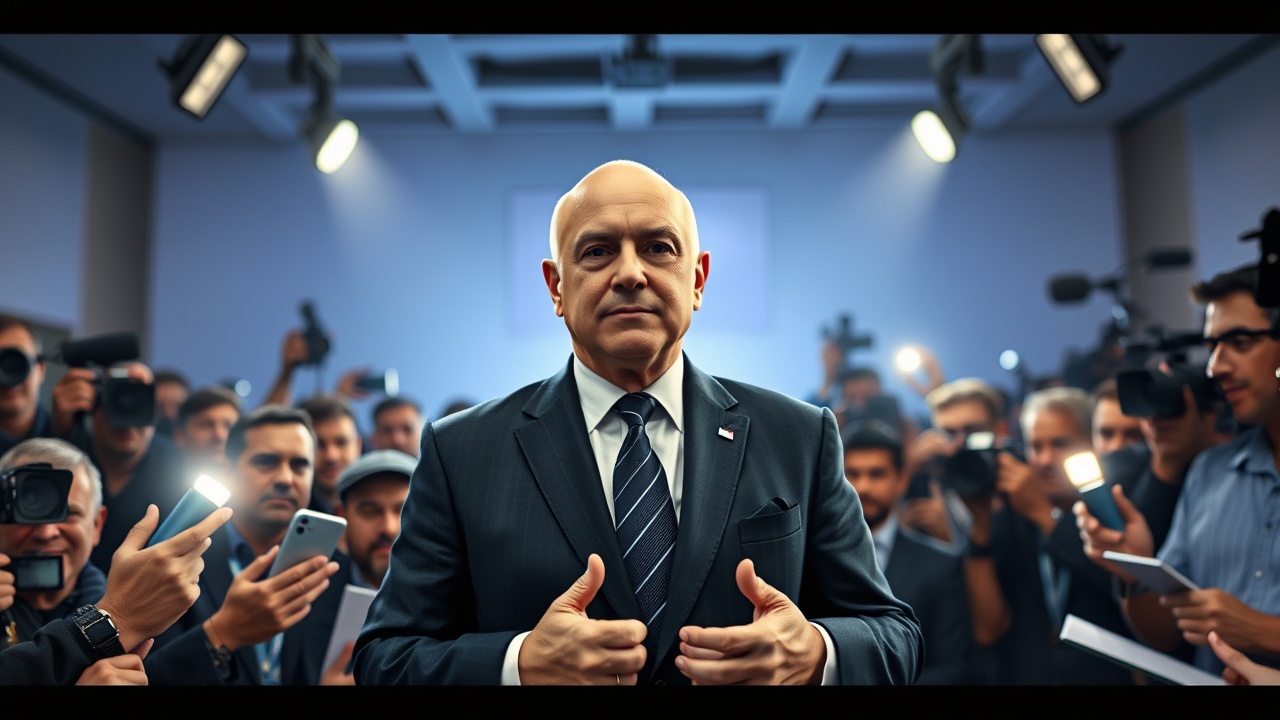
When Gianni Infantino was elected as FIFA’s president in February 2016, he celebrated by treating journalists to drinks in a Cardiff hotel bar, aiming to portray himself as a more relatable successor after the scandals that ensnared his predecessor, Sepp Blatter. Now, a decade later, Infantino has transformed into one of the most influential figures in global soccer. His annual salary stands at $6 million, and he maintains connections with prominent world leaders, including U.S. President Donald Trump and Russia’s Vladimir Putin. Infantino’s mode of transport includes a private jet offered by Qatar, highlighting a lifestyle that starkly contrasts his initial image as a man for the people.
Tenure and Future Aspirations
Since taking office, Infantino has been re-elected without opposition in both 2019 and 2023 and has hinted at seeking another term in 2027, effectively beginning his theoretical clock for tenure in 2019 due to how he ascended to power. This maneuver allows him the possibility of serving an extended twelve years despite FIFA’s regulations that limit a president to three four-year terms. Industry insiders suggest he may not pursue a fourth term in 2031, citing exhaustion from extensive global travel required by his responsibilities.
Controversies and Criticism
While Infantino has faced backlash for his rapport with powerful figures, such as his controversial decision to create a FIFA Peace Prize for Trump in December 2025, criticism within the soccer community remains relatively muted. Lise Klaveness, president of the Norwegian Football Federation, has called out Infantino’s governance methods, arguing that awarding Trump breaches FIFA’s political neutrality. Some voices within FIFA, like Sergio Marchi of the global players’ union FIFPRO, have expressed concerns over Infantino’s priorities, likening his management style to that of a celebrity rather than a leader committed to the sport’s integrity.
Major Decisions and Financial Growth
Infantino’s positional power was solidified in ink when he presided over decisions like selecting Saudi Arabia as the host for the 2034 World Cup. His announcement in October 2023 regarding the limited bidding process, which only considered bids from the Asian and Oceania federations, sparked controversy, especially after Australia’s football governing body hesitated to compete against Saudi Arabia. Despite the scrutiny, FIFA confirmed Saudi Arabia as the exclusive bidder for the event in late 2024.
Initially stepping into the FIFA presidency amid a damaging corruption scandal, Infantino won after a competitive race against Sheikh Salman of Bahrain, drawing on a platform of reform and public engagement. Previous allegations of bribery and racketeering had tainted FIFA’s name, prompting Infantino to promise extensive reforms for the organization. Some have hailed his initiatives, noting a significant increase in financial contributions to member associations, with FIFA’s revenue more than quintupled from $502 million in 2016 to a projected $9 billion in 2026, coinciding with an expanded World Cup format.
Public Sentiment and Legacy
Infantino’s multifaceted approach, involving appearances alongside influential leaders and proactively addressing financial malpractice, aims to present FIFA as a transformed entity. However, his actions have drawn criticism, particularly his lavish lifestyle and his tendency to prioritize partnerships with the wealthy elite. Observers point to his frequent snapshot uploads on social media alongside powerful individuals as evidence of his self-styled persona as a global ambassador for soccer.
Key controversies overshadowing his presidency include the mounting costs associated with the upcoming summer World Cup. Fans voice their frustration at exorbitant ticket prices and inflated travel expenses, prompting concerns that ordinary supporters may be locked out of attending games. Infantino acknowledges that some ticket prices may soar over $1,200, a price point even Trump has openly criticized as excessive.
In light of the mounting public sentiment against him for perceived excess and detachment from the everyday football fan, Infantino’s legacy hangs in the balance. Beneath the glamor of high-profile events and associations, can he truly claim to champion the ‘beautiful game’? Amidst concerns, the upcoming World Cup may serve as both a renaissance and reckoning for his presidency.