

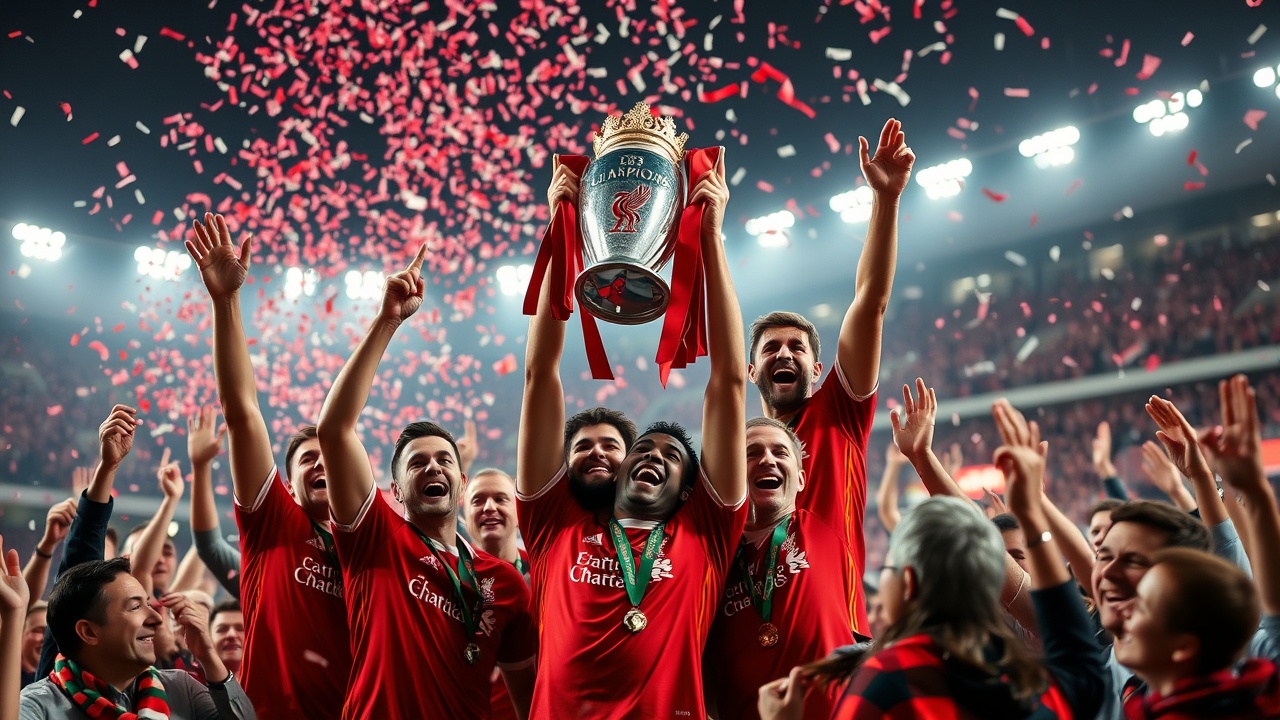
Liverpool Parts Ways with Arne Slot
After a mere two years at the helm, Liverpool has decided to part ways with Arne Slot, following his inability to replicate the success of his debut season in which he led the team to a Premier League title. The 47-year-old coach’s dismissal comes after a disappointing fifth-place finish, leaving the Reds 25 points adrift of the leaders. As the current campaign progressed, the team struggled, leading to underwhelming performances in cup competitions and a high-profile rift with Mohamed Salah, a beloved figure among fans and players alike.
Timing of Dismissal
While the timing of Slot’s departure may raise eyebrows—especially given that it occurred almost exactly a year after he celebrated a title triumph—the decision to relieve a manager of their duties shortly after significant success is not unusual in the world of professional football. Major clubs across Europe have similarly opted to terminate contracts of title-winning managers within a year or even less after their crowning achievements.
Historical Context
Historically, several notable managers have encountered the same fate, highlighting the ruthless nature of top-flight football management.
Claudio Ranieri famously led Leicester City to their shocking title win in the 2015-16 season but was sacked after a string of poor results the following season, showcasing how quickly fortunes can change.
Similarly, José Mourinho experienced this during his two spells at Chelsea, winning back-to-back titles only to be dismissed shortly into subsequent campaigns due to poor performances and interpersonal conflicts within the club.
Trends in Managerial Dismissals
The trend has also been witnessed at clubs like Manchester City and Real Madrid.
Roberto Mancini brought the Premier League title back to City after a staggering 44-year gap, yet was let go a year later after finishing as a distant runner-up.
In Madrid, the pressures are immense; various coaches, including Fabio Capello and Zinedine Zidane, have faced the axe after failing to consistently meet the club’s lofty expectations despite previous successes.
Conclusion
Despite Slot’s initial triumph at Anfield, which included a convincing 10-point lead in the title race, the subsequent season’s underperformance could not secure his future. Liverpool’s ownership, looking to maintain elite standards, echoes a broader trend where winning is often not enough to guarantee job security in high-stakes environments. As clubs relentlessly pursue excellence, the history of managerial dismissals in the face of disappointing results serves as a testament to the unforgiving nature of football at the highest level.