
Winter Sports and the Environment
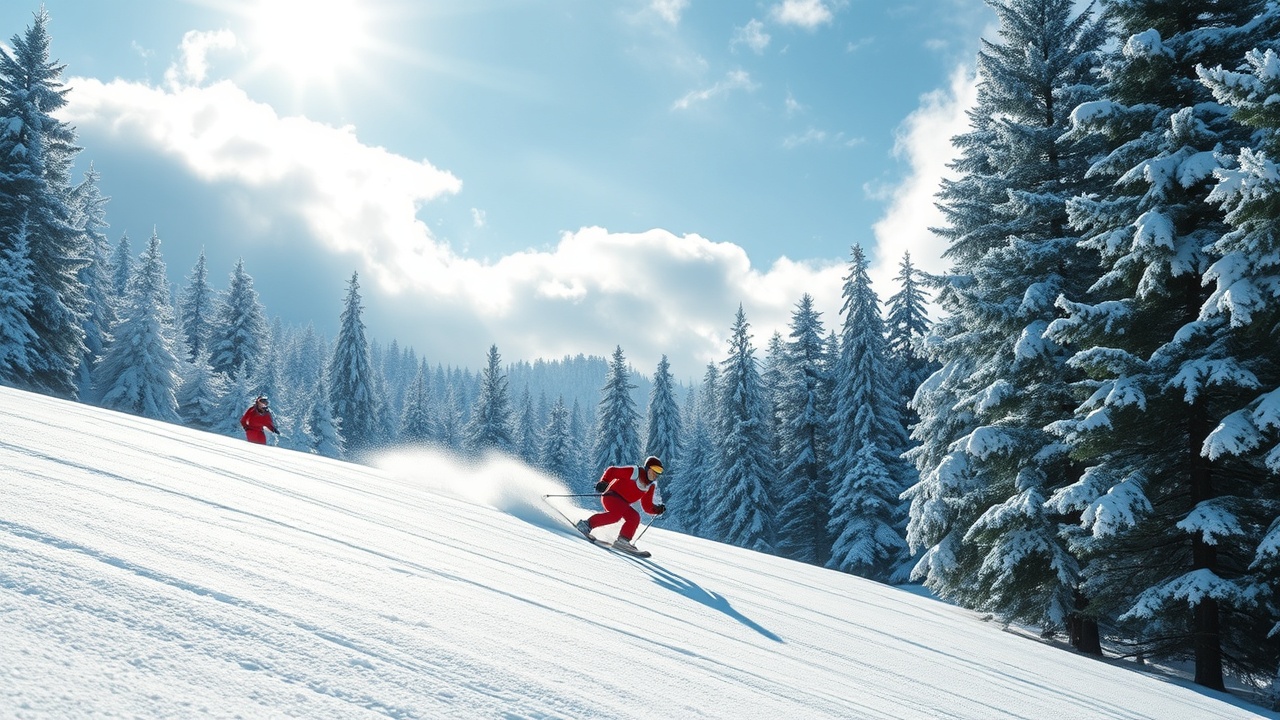
CORTINA D’AMPEZZO, Italy (AP) — Eileen Gu, who has quickly become a prominent figure in winter sports, reflects on the unique relationship that athletes share with the environment during the Winter Olympics. Flipping down mountainsides or soaring through the air on snowy terrains involves inherent risks, yet Gu describes the experience as more of a dance with nature rather than a tumultuous battle.
“You feel like you’re integrating with nature while also pushing human limits,” Gu shared, emphasizing the transcendental essence of competing in the winter events.
This distinction sets the Winter Games apart from their summer counterparts, where athletes are often protected in stadiums and less exposed to the whims of Mother Nature.
Challenges of Winter Sports
In summer sports, the climate can influence events, such as track and field performances or open-water swimming competitions, yet the accessibility of these activities makes them feel commonplace. In contrast, winter sports are defined by their challenging environments, where elements like snow, ice, and frigid temperatures could deter even the most seasoned competitors. Each event represents a profound challenge—whether it’s skiing down steep slopes, performing complex maneuvers on a snowboard, or navigating through tightly spaced gates that demand agility and precision.
Personal Journeys and Connections
For many athletes, their journey begins not in competition but through childhood experiences that foster a love for the outdoors. Emily Harrop, who will debut in ski mountaineering during these Olympics, first fell in love with the sport during family camping trips in the French Alps. She describes her passion as instinctive, feeling a connection to an ancient way of movement that brings fulfillment.
The Role of Technology and Adaptability
The intertwining of technology and instinct is becoming increasingly vital in the fierce competitive atmosphere of winter sports. Mikaela Shiffrin, a decorated skier, applies a methodical approach to understanding the constantly changing conditions of her courses. She acknowledges the blend of artistry and science present in her sport, noting the significance of weather and snow conditions as they evolve throughout a race.
“You have to adapt to the circumstances, and that flexibility is crucial,” Shiffrin stated, underscoring the unpredictable nature of outdoor competition.
Athletes like Gu and Shiffrin meticulously analyze every factor—from sunlight to wind speed—to optimize their performance on the slopes. Gu’s contemplation on how moisture affects her ski equipment demonstrates the depth of thought that goes into preparing for competition.
Emotional Resonance with Nature
Gu, who secured a silver medal in slopestyle, finds rhythm in the outdoor elements, claiming that the wind serves as a guiding reference as she executes her tricks. Yet, despite the meticulous planning, there is always an element of uncertainty that keeps these athletes coming back for the experience of connecting with the environment.
This emotional resonance with nature is unique to winter sports. The peace and introspection that these athletes feel outdoors, whether during a strenuous competition or while simply enjoying their surroundings, define their connection to the sport. As Harrop reflects on the serenity she finds in the mountains, she recognizes that the true adventure lies not just in competition but in the singular experiences the natural world offers.
Looking Ahead to the 2026 Winter Olympics
As preparations for the 2026 Winter Olympics unfold, competitors like Gu and Harrop are ready to navigate a landscape that challenges them both physically and spiritually. In a shift from the traditional narrative of man battling nature, they emphasize a deeper, harmonious partnership, showcasing how the journey is about pushing limits while appreciating the beauty of the world around them. With both excitement and reverence, they prepare to redefine what it means to compete and connect with the natural realm.
— This report relies on contributions from AP National Writer Eddie Pells and AP Sports Writer Pat Graham.
—For further Olympic coverage, visit the AP Olympics section.