
Introduction
The increase in ticket giveaways, unique contests, and raffles linked to forthcoming boxing matches has sparked conversations about whether the sport’s burgeoning calendar is beginning to influence ticket demand. Notable instances have emerged across various fight cards, illustrating a trend where promotions are creating engaging methods to distribute tickets, ranging from community-centered events to novel competition formats.
Recent Ticket Promotions
Leading up to the highly anticipated fight between Tyson Fury and his opponent at Tottenham Hotspur Stadium, it was reported that over 12,000 tickets remained unsold for the event. This prompted a social media promotion that advertised tickets in Section 103 for just £15 apiece—far below the typical pricing seen at major boxing events—even as World Boxing News indicated that the fight was expected to sell out by April 11th.
Additionally, the Treasure Boxing Club in London publicly expressed their gratitude for receiving ten complimentary tickets for their young members, which adds a layer of community engagement to the ticketing approach.
Innovative Engagement Strategies
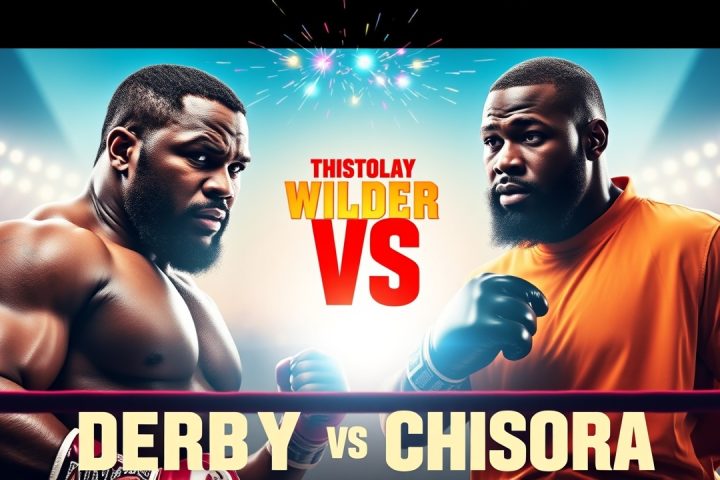
While promotional ticket offers are common in boxing, the recent surge in drastically reduced prices and free allocations has led to a rebound in conversations about ticket sales distribution. Some promotional events have even urged fan participation through playful methods, like a musical chairs game linked to the upcoming bout between Derek Chisora and Deontay Wilder, which allowed participants to compete for a pair of fight tickets. Furthermore, an online contest for four tickets to the bout between Dave Allen and Filip Hrgovic required a £1 entry fee, with proceeds slated for charity, while the tickets’ original face value was £50 each.
Each of these instances might be interpreted as creative marketing strategies or initiatives to boost fan engagement and fundraising efforts. Yet, the frequency of such promotions occurring in close succession is noteworthy, particularly given World Boxing News‘s extensive coverage of boxing over the past fifteen years. Historically, such tactics were reserved for events garnering considerable public interest, which adds weight to the observation.
Impact of an Expanding Boxing Schedule
This trend coincides with a notably expanding boxing schedule. If promoters wish to maintain sell-out crowds with this growing frequency of bouts, adjustments to venue capacities may become necessary. Multiple promotional companies now operate within the same broadcast framework, intensifying the competition on the calendar. DAZN, a key player in this landscape, has ambitious plans to establish a weekly fight night schedule in the U.S., addressing a steady demand for boxing content, underscored by DAZN executive Pete Oliver‘s remarks on delivering weekly fights within the U.S. timezone.
As fights potentially become available every week, fans could find themselves navigating choices about which events to financially support, potentially diluting the traditional anticipation that builds around major matches over an extended duration. The once uniquely thrilling experience of a boxing event may gradually fade if the frequency of bouts continues to rise.
Conclusion
The current wave of discounts, giveaways, and innovative ticketing strategies could thus reflect promoters’ early attempts to maintain viewer interest and fill venues amid this evolving landscape. However, whether or not this phase of creative promotion is sustainable remains to be seen.
Overall, this recent trend of unusual ticket distribution methods is a significant development within the boxing scene that warrants attention as the sport navigates through an increasingly packed calendar.