
Ice Hockey and Its Regulations
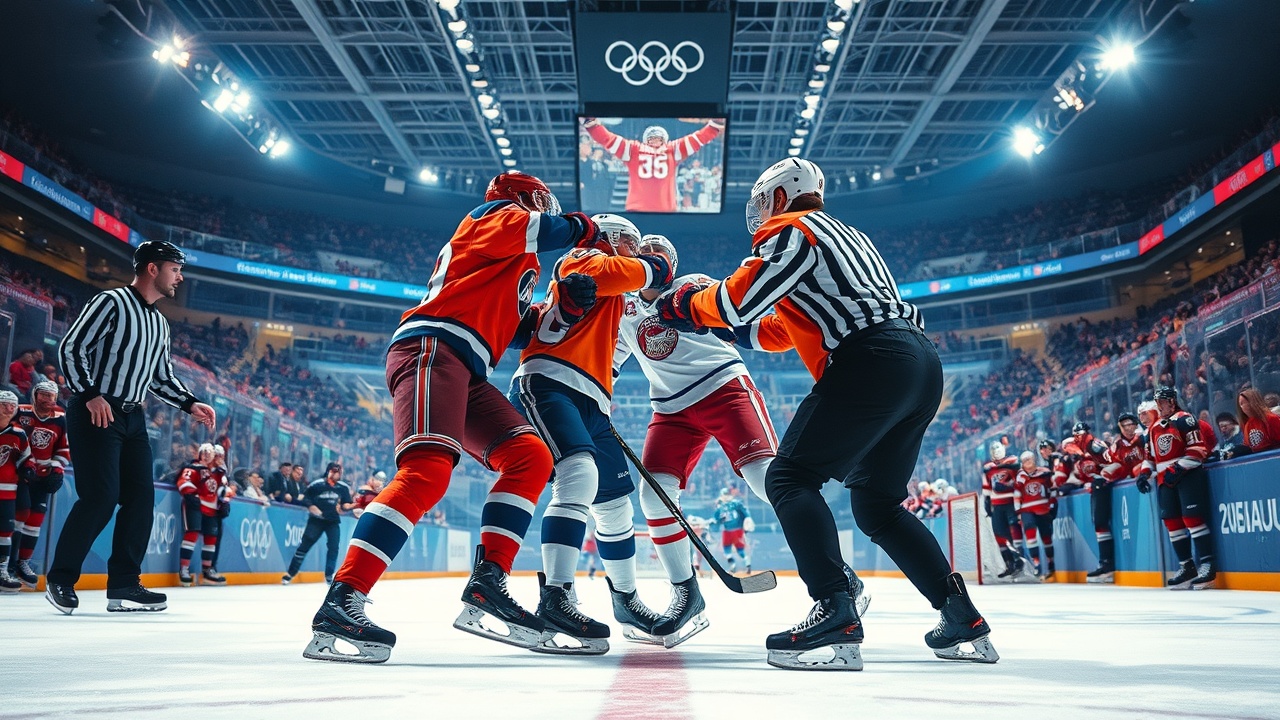
Ice hockey is known for its roughness, particularly in North America’s NHL, where brawls are somewhat expected. However, the international stage, governed by the International Ice Hockey Federation (IIHF), adopts a strict stance against fighting. The IIHF clearly states in its regulations that fighting does not align with the spirit of international ice hockey, a rule that remains applicable even during prestigious events like the Winter Olympics.
Consequences of Fighting
Engaging in fights during these competitions can lead to serious consequences, including penalties or ejection from the match, and any suspensions can carry over from one IIHF event to the next. For example, a player suspended for fighting during the Olympic gold medal game would also face a ban in subsequent IIHF tournaments. In contrast, the NHL tends to handle fighting more leniently, with offenders typically receiving minor penalties of up to five minutes.
2026 Winter Olympics Overview
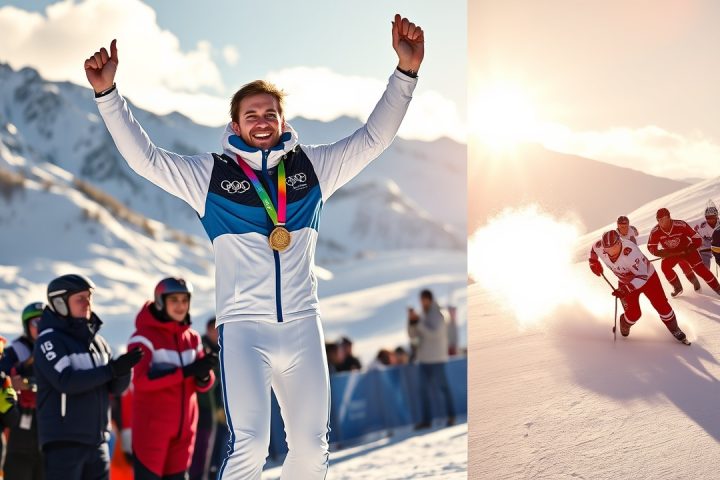
As we approach the 2026 Winter Olympics, the men’s tournament will feature twelve teams while ten will compete in the women’s category. Notably, Great Britain did not qualify for either tournament. This year’s Games will bring back NHL players from the U.S. and Canada for the first time since the 2014 Olympics, adding excitement to the event.
Rules of Olympic Ice Hockey
The rules of Olympic ice hockey stipulate that each team has six players on the rink simultaneously, which includes five skaters and a goalkeeper. Teams can have a roster of 22 players, allowing for continuous substitution. Each match is divided into three periods, each lasting twenty minutes, during which teams compete to score goals. If the game ends in a tie, teams will enter overtime – typically five to twenty minutes long, depending on the tournament stage – where the number of skaters on the ice for each side is reduced to three. The first team to score in overtime wins. Should the score remain tied, matches will proceed to a penalty shootout, except for the gold medal match, which must be decided during open play.
Conclusion
This insight into Olympic ice hockey rules emphasizes the sport’s unique regulations and the serious approach taken towards player conduct in international competitions.
For further inquiries on winter sports or the Olympics, the BBC Sport’s Ask Me Anything team continues to field questions on various topics, including the rarity of world records in these Games and insights into the most successful countries at the Olympics.