
Introduction
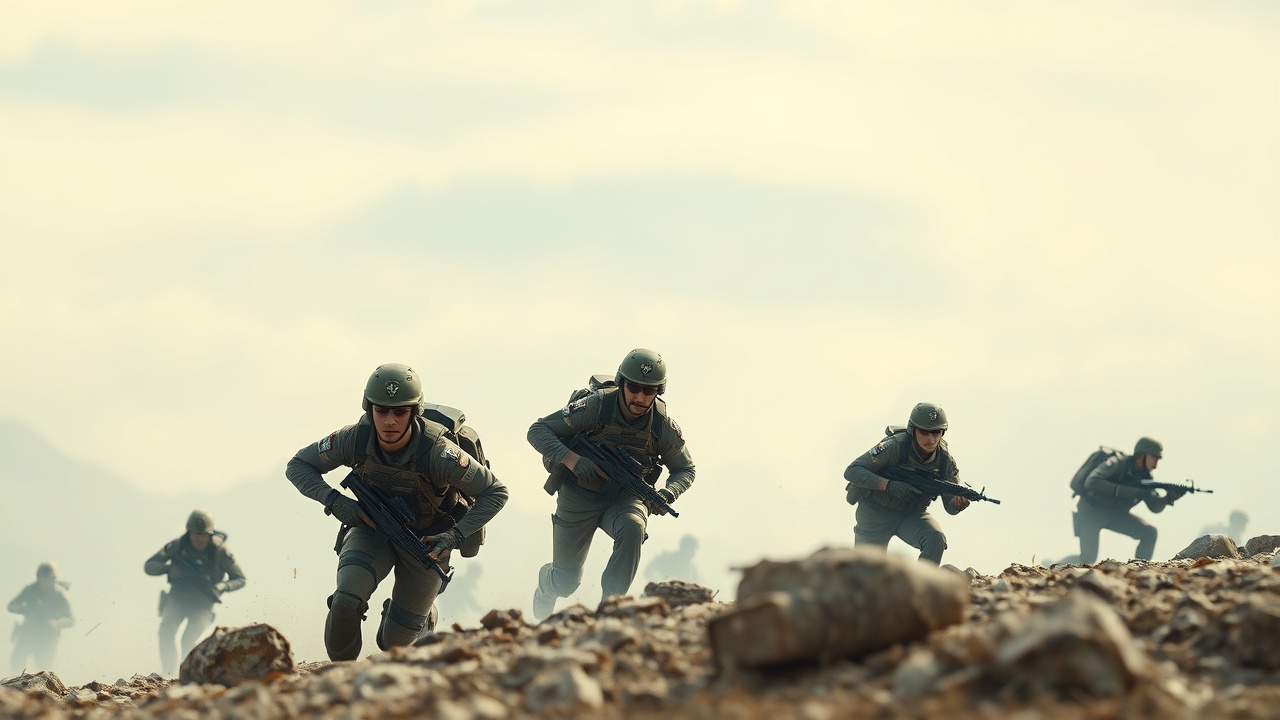
In an unprecedented move by the Trump administration, the White House has unleashed a series of high-octane social media videos that blend elements from iconic American films, video games, and sports with actual combat footage from the ongoing war in Iran. This striking fusion of popular culture and military imagery aims to galvanize public support for the conflict, but it has drawn severe backlash from various critics, including a prominent figure within the U.S. Catholic Church.
Content of the Videos
The videos intersperse clips from blockbuster films such as “Top Gun,” “Superman,” and “Braveheart,” alongside gritty scenes of warfare. Even cartoon character SpongeBob SquarePants makes an appearance, questioning,
“You wanna see me do it again?”
between dramatic explosions of military strikes captured in declassified footage. Each video is underscored by intense music from popular artists, including AC/DC and Childish Gambino, designed to evoke feelings of excitement and heroism.
Criticism and Concerns
One particular video, captioned “Courtesy of the Red, White, and Blue,” echoes the sentiments of Toby Keith’s post-9/11 anthem. The context of this media blitz raises concerns among critics about the trivialization of violent realities in favor of entertainment value, a sentiment echoed by Cardinal Blase J. Cupich, who expressed profound disappointment at the normalization of war through a lens familiar to gaming enthusiasts and movie lovers alike.
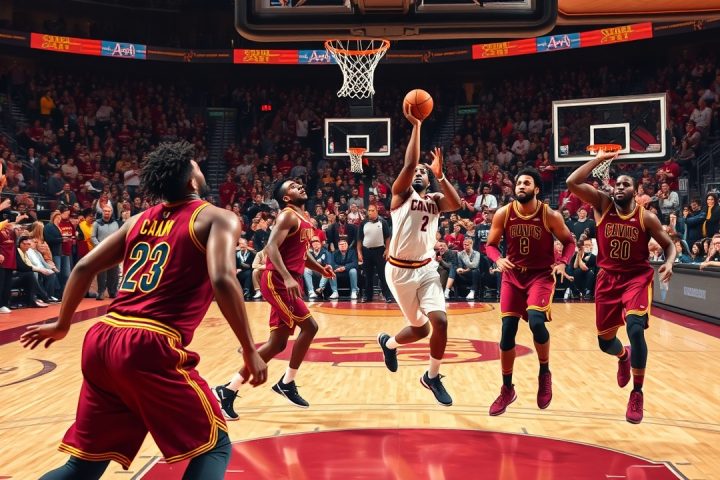
Notably absent from any official commentary are the NFL and Major League Baseball, both of which have seen their respective sports footage incorporated into these promotional clips. The administration’s strategy appears to capitalize on the cultural touchpoints that resonate strongly with young men, potentially aiming to recruit them into military service by glamorizing combat.
Reactions from Artists
Some artists featured in the videos, including actor Ben Stiller and Halo voice actor Steve Downes, have publicly denounced the use of their likenesses without permission, with Stiller stating his disinterest in contributing to propaganda efforts surrounding military conflicts. This marks a significant cultural moment where the amalgamation of entertainment and militaristic propaganda has prompted questions about integrity and morality in political messaging.
Historical Context and Analysis
Historically, the intersection of popular culture and political campaigning is not entirely new, tracing back to the Clinton era. However, the current administration’s approach takes it to new extremes by explicitly correlating thrilling depictions of modern entertainment with the harsh realities of war, a strategy some are describing as a “gamification” of conflict.
Analysts have also pointed out that this tactic may reflect deeper psychological strategies aimed at influencing public perception, particularly among youth demographics. Military recruitment has often leveraged popular culture, as seen with the Pentagon’s past initiatives to attract gamers, dating back to the America’s Army video game released in 2002.
Conclusion
As these videos circulate, experts caution that the glamorization of a soldier’s life portrayed in media does not align with the grueling reality faced by service members. This mismatch may ultimately highlight a disconnect that could hinder long-term resonance with an audience that values authenticity and transparency. Amidst this backdrop, the White House continues to advocate for its military efforts, showcasing what it describes as substantial successes under the initiative dubbed “Operation Epic Fury.”
The conversation surrounding these provocative videos underscores the complex relationship between media, war, and public opinion, raising questions about ethics in the politicization of culture. Experts suggest that while the current strategy resonates with a certain demographic, it remains uncertain whether it will lead to sustainable support or a deeper understanding of the sacrifices involved in military engagement. Whether these efforts will redefine military recruitment tactics or simply serve as transient memes in the digital landscape remains to be seen.