
Anticipation for Selection Sunday
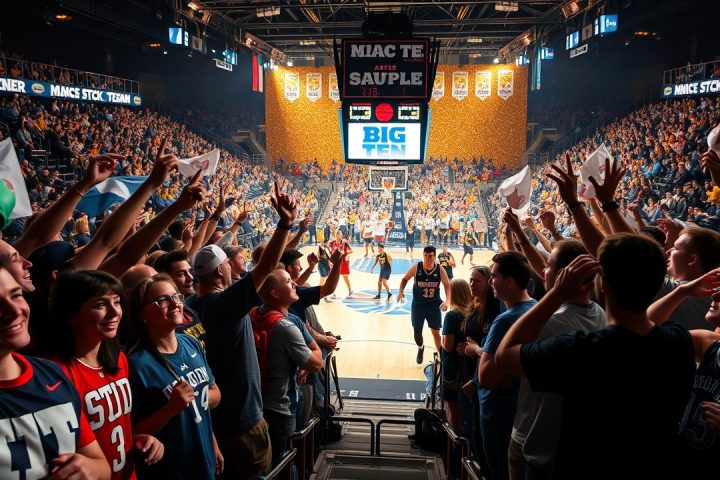
As college basketball enthusiasts eagerly anticipate Selection Sunday, the time when the NCAA tournament bracket is unveiled, it’s evident that debates regarding team selections and rankings have become an integral part of the March Madness culture. This year, like last, the selection committee will rely on a series of metrics to assess potential candidates for the 2026 NCAA tournament, drawing from multiple computer-generated models and rankings designed to predict team strength.
Metrics for Evaluation
The landscape of NCAA tournament evaluations is primarily divided into two categories: predictive metrics that gauge a team’s overall capabilities and results-based metrics that reflect its actual performance. The NCAA Evaluation Tool (NET), KenPom, ESPN’s Basketball Power Index (BPI), and Torvik rankings are among the predictive systems. In contrast, results-based systems such as the Key Performance Indicator (KPI), ESPN’s Strength of Record (SOR), and Wins Above Bubble (WAB) focus on the challenges teams faced in accumulating their records.
While predictive metrics often align with results-based ones toward the season’s end, discrepancies can lead to intriguing conversations among the selection committee, especially for teams that exhibit stark differences between their two sets of metrics.
Teams to Watch
The following is an overview of ten teams whose profiles may spark debate among committee members as Selection Sunday approaches, based on their contrasting standings in the predictive and results-based categories:
- Florida (16-6)
NET: 12 KenPom: 7 BPI: 7 Torvik: 6 KPI: 20 SOR: 18 WAB: 18The Gators have noted challenges following losses in significant nonconference games against top-tier teams like Arizona, Duke, and UConn, yet they are maintaining a strong presence in the SEC.
- Louisville (15-6)
NET: 17 KenPom: 16 BPI: 11 Torvik: 16 KPI: 28 SOR: 32 WAB: 26Under coach Pat Kelsey, Louisville shows promise, especially with freshman Mikel Brown on the court.
- Indiana (15-7)
NET: 30 KenPom: 33 BPI: 25 Torvik: 23 KPI: 49 SOR: 37 WAB: 39After early-season struggles against weaker teams, Indiana managed to secure victories against Purdue and UCLA.
- UCF (17-4)
NET: 37 KenPom: 45 BPI: 51 Torvik: 46 KPI: 15 SOR: 21 WAB: 19With a strong showing in conference play and a few key wins, UCF’s performance straddles the bubble line.
- Texas (13-9)
NET: 39 KenPom: 34 BPI: 35 Torvik: 38 KPI: 63 SOR: 54 WAB: 52The Longhorns must navigate a challenging stretch of games to improve their bubble résumé.
- Washington (12-10)
NET: 47 KenPom: 46 BPI: 44 Torvik: 44 KPI: 64 SOR: 60 WAB: 60Consistency is a struggle for Washington as they balance a rocky performance history.
- California (16-6)
NET: 51 KenPom: 54 BPI: 69 Torvik: 56 KPI: 40 SOR: 48 WAB: 41California’s recent victories against major teams have momentarily lifted their profile.
- Oklahoma State (15-6)
NET: 68 KenPom: 57 BPI: 71 Torvik: 70 KPI: 46 SOR: 44 WAB: 46After a robust nonconference performance, Oklahoma State’s entry into league play has been rocky.
- George Mason (20-2)
NET: 65 KenPom: 76 BPI: 68 Torvik: 108 KPI: 35 SOR: 40 WAB: 43Having bounced back from historical success, George Mason’s resume calls for scrutiny.
- Miami (Ohio) (22-0)
NET: 53 KenPom: 90 BPI: 91 Torvik: 80 KPI: 54 SOR: 24 WAB: 33The RedHawks are undefeated yet face potential challenges in affirming their strength.
Conclusion
The complexities of evaluating these teams come into play as the March Madness selection process draws nearer, with each team’s metrics offering valuable insights into their potential tournament fates.