
Luck and Performance in the Premier League
In the competitive landscape of the Premier League, the concept that luck balances out over a 38-game season is a familiar one. Traditional wisdom maintains that since each team faces their opponents twice, performances should ideally level out. However, factors like injuries, controversial referee calls, and coaching changes can significantly influence a team’s outcomes, creating disparities in success.
Analyzing Key Factors
To explore this dynamic, we’ve analyzed teams in the Premier League based on three critical factors: the impact of injuries, the effect of managerial changes, and significant officiating mistakes verified by VAR. Though luck is an elusive concept, examples from the current season help illuminate how fortune has played a role in different clubs’ performances.
Injury Impacts
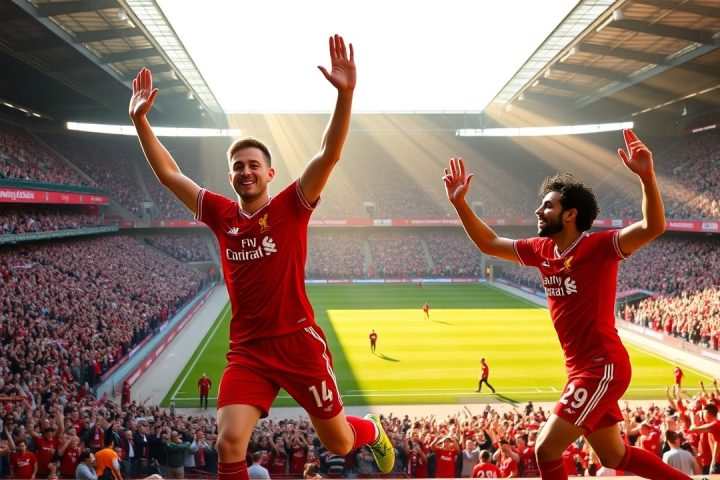
We focus not merely on occasional injuries but rather on instances where prominent players are sidelined, thereby drastically affecting team dynamics. For instance, Liverpool’s initial five victories raised eyebrows, as they secured wins against teams lacking key stars. In their season opener, they faced AFC Bournemouth, who were struggling to field a consistent midfield due to several injuries. A few weeks later, Liverpool emerged victorious against Arsenal, who were notably absent key players like Bukayo Saka and Martin Ødegaard at Anfield, and lost central defender William Saliba to injury shortly after kickoff.
Nottingham Forest, despite their lowly position in the standings, also experienced both good and bad fortune from injuries. They capitalized on Brentford being without midfielder Mikkel Damsgaard to claim a 3-1 victory. Just weeks later, a severely depleted Arsenal team defeated them 3-0, highlighting the inconsistency in their own luck.
Managerial Changes
The dynamics surrounding managerial changes can provide an unexpected boost or detriment. For example, Arsenal took on Forest after their managerial switch, which resulted in a swift decline in performance post-sacking of a popular former coach. Conversely, it was an opportune moment for Arsenal, who comfortably won 3-0 against a demoralized Forest squad.
Fulham’s struggle this season can also be largely attributed to misfortune, as injuries to key players left them without established strikers and defensive options. Manager Marco Silva faced significant hurdles when both Raúl Jiménez and Rodrigo Muniz were out of action, leaving his side vulnerable in critical matches.
Chelsea, starting their season with extensive injury woes, fared better than expected. With several key players sidelined due to ailments, including Cole Palmer and Romeo Lavia, they managed to navigate through tough matches remarkably well, showcasing their depth. Noteworthy is their ability to secure a win against Nottingham Forest despite several critical absences, demonstrating resilience.
Refereeing Decisions
This season has not shied away from controversy, with confirmed VAR errors drawing attention. Six key officiating mistakes have been identified, placing multiple clubs in advantageous or disadvantageous positions. For example, Bournemouth’s early match against Liverpool should have resulted in a red card for a foul that denied a clear goalscoring opportunity, yet Liverpool went on to win. Fulham’s defeat against Chelsea included a disallowed goal under contentious circumstances, emphasizing the often arbitrary toll of refereeing decisions.
Conclusion
As the season progresses past its first third, these evaluations highlight the complex interplay of luck and circumstance in shaping the fortunes of each team in the Premier League. Liverpool’s success can, in part, be accredited to rival teams’ injuries, while Fulham’s poor performance can be traced back to their own misfortunes. Meanwhile, Chelsea’s ability to endure injuries while still achieving results speaks volumes about their squad resilience. As the season unfolds, it will be interesting to see how these trends shift and whether luck continues to play a significant role in determining outcomes.