
Tyrese Haliburton’s Injury in Game 7
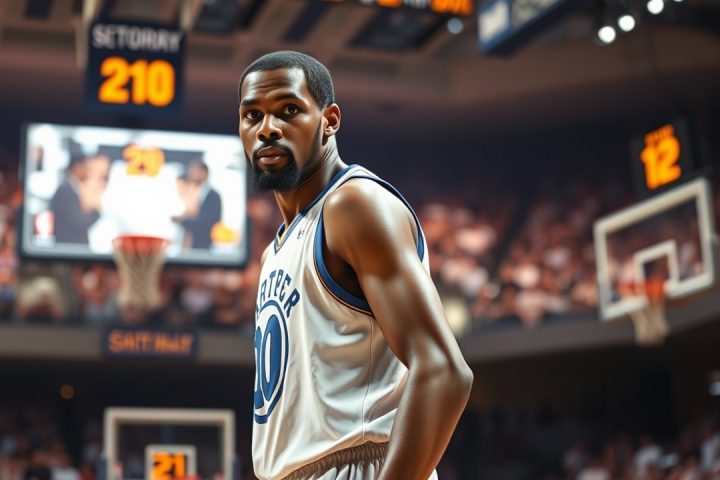
In an attempt to recover from a right calf strain, Tyrese Haliburton underwent extensive treatment to play in what many considered the most significant game of his career: Game 7 of the 2025 NBA Finals. His routine included multiple sessions in a hyperbaric chamber and continuous electrical stimulation therapy. Initially, his efforts seemed to pay off as he impressed fans by draining three consecutive three-pointers, giving the Indiana Pacers an early lead.
However, everything changed dramatically just minutes into the first quarter when Haliburton tore his Achilles tendon while trying to surge forward, exacerbating his prior calf injury. This devastating moment not only ended his participation in the match but also played a pivotal role in altering the outcome of the series as the Oklahoma City Thunder seized control and ultimately triumphed by a dozen points.
Impact on the Team and the League
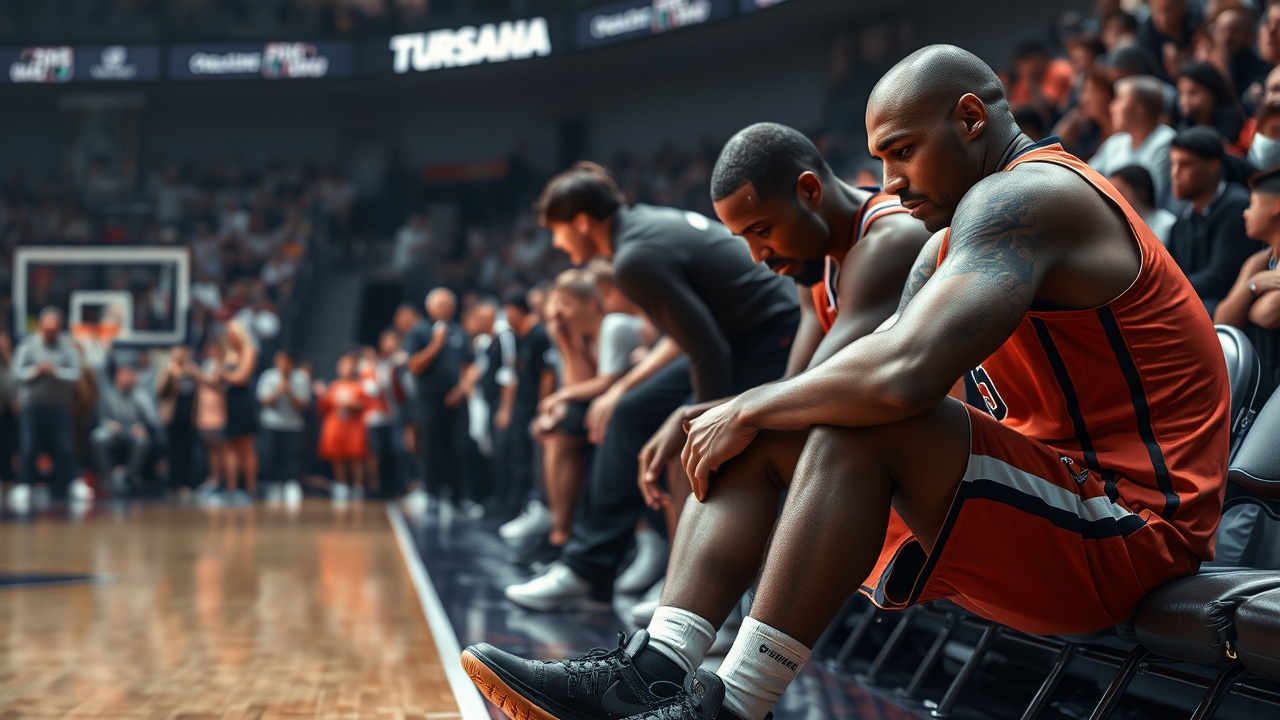
After the game, a visibly heartbroken Haliburton met with teammates, and emotional responses filled the locker room as they absorbed the potentially season-altering news. His injury was a seismic event, sending shockwaves throughout the NBA that extended beyond the finals and into the broader landscape of the league, reminiscent of an earthquake’s aftermath.
Haliburton’s situation highlighted an alarming trend emerging in the current season where high-profile players like Ja Morant, Victor Wembanyama, and Giannis Antetokounmpo all faced calf strains early on, resulting in several weeks on the sidelines.
Surge in Calf Injuries
In the first 20 games of the 2025-26 season, calf injuries have surged dramatically, with data from injury expert Jeff Stotts showing a near 40% increase compared to the previous season. The total number of missed games due to these injuries ballooned from 36 to a staggering 108, demonstrating a worrying trend that raises eyebrows across the league.
The growing concern surrounding calf strains is not only due to their rising occurrence but also their potential connection to the more severe Achilles injuries that have plagued stars, including Haliburton, Damian Lillard, and Jayson Tatum.
Medical Perspectives and Trends
The response from medical professionals has been one of caution; Dr. Richard Ferkel, a leading orthopedic surgeon, emphasized the necessity of conservative measures when treating calf injuries given their association with subsequent Achilles tears. He noted,
“There is a concern that calf injuries can lead to Achilles injuries… Teams are becoming much more cautious in bringing players back from calf-related issues.”
This shift reflects a broader trend within the league to ensure player health amidst the increasing pace and demands of the game, further complicated by growing game schedules and back-to-back matchups introduced as part of the in-season tournament.
Innovations and Future Considerations
Experts believe the fast-tracked nature of contemporary basketball could be contributing to the surge in injuries. Dr. Ferkel pointed out that the intense physicalities and the doubled numbers of scheduled games place additional strain on players’ bodies. Concerned for their financial investments and players, the league continues to scrutinize factors like scheduling and rapid gameplay.
Like many, Dr. Scott Ellis expressed alarm regarding the changing nature of foot and ankle injuries, emphasizing a possible trend of overuse injuries spurred by the fast-paced game. Traditionally, the league reported common stress fractures, but the emergence of calf strains and Achilles injuries marks a shift that could transform injury management strategies.
Technological Advances in Injury Prevention
In response to this troubling rise in injuries, innovative technologies are being embraced by teams. Various companies are developing AI solutions designed to predict injury risks through real-time biometric monitoring, including new partnerships aimed at maximizing player health and performance. Such initiatives reflect a growing recognition of the intricate relationship between player movements and injury prevention.
Reevaluating the NBA Schedule
As the NBA grapples with these escalating injuries, dated scheduling practices are also coming under fire. Discussions about shortening the regular season are gaining traction among experts, advocating for a reevaluation of the rigorous schedule in light of prevailing injury trends. The future of player health and the safety of high-performance athletes hinges on a collective effort to adapt to the evolving nature of the game, all while maintaining the excitement and competitiveness that defines the NBA.