

Overview of the Event
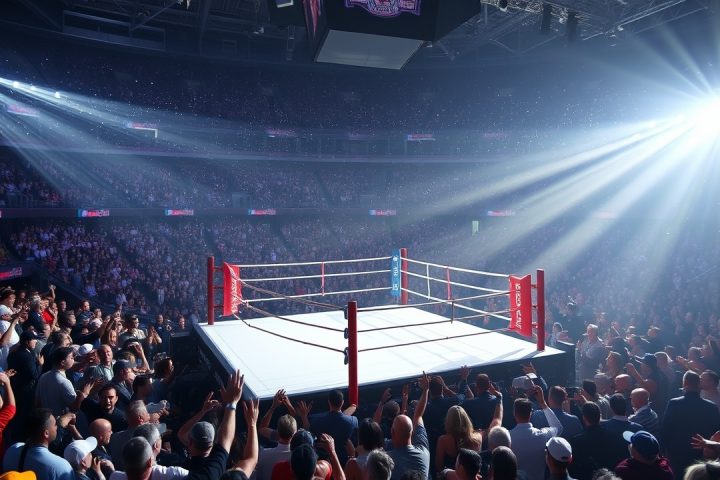
In Las Vegas, Nevada, the scene was set on September 13, 2025, as His Excellency Turki Al-Sheikh joined UFC President Dana White at the prestigious Undisputed & Ring Magazine Super Middleweight Championship held at Allegiant Stadium. Photographed by Chris Unger from TKO Worldwide, this event was shadowed by larger legislative matters brewing in Congress.
The Muhammad Ali American Boxing Revival Act
On March 24, the U.S. House of Representatives was poised to cast a critical vote regarding the Muhammad Ali American Boxing Revival Act. Anticipated to sail through without major opposition, the bill aims to reshape boxing regulation significantly—a move proponents argue will enhance fighter autonomy and protections. Yet, this reimagining of boxing regulation warrants a closer examination.
Key Provisions of the Revival Act
Key to the proposed legislation is the introduction of the Unified Boxing Organization (UBO), an entity designed to centralize the promotion of fights, management of rankings, and awarding of titles under one umbrella—an operational structure reminiscent of the UFC’s model. TKO Group Holdings, the parent company of the UFC, has taken a leading role in advocating for this legislation, actively preparing to launch its own boxing division. Notably, TKO’s CEO enjoys a notably close relationship with former President Donald Trump, raising questions about the motivations behind this recent shift.
Criticism of the Revival Act
In testimony to the legislative committee, Pat English, who was instrumental in drafting the original Ali Act, criticized the Revival Act as being largely influenced by lobbying efforts from entities seeking to centralize boxing further, a stark contrast to the intent of the original legislation that aimed to protect fighters from monopolistic practices.
He pointed out that the current bill is mischaracterized as a simple amendment, when in fact it revises the Ali Act itself alongside the Professional Boxing Safety Act.
Historical Context and Concerns
The push for modern regulations traces back several decades, stemming from boxing’s historical issues with monopolies. The concern rose sharply in the 1960s, prompting congressional investigations into collusion among promoters and managers exerting control over the industry, culminating in the original Ali Act’s passage in 2000 to safeguard boxers from exploitative contractual obligations.
Significant alterations introduced by the Revival Act could open the door to the same coercive contract practices that the Ali Act sought to abolish. For instance, the new provisions would allow UBOs to impose lengthy contracts while significantly diminishing the required financial transparency between promoters and fighters. English emphasized that the bill dismantles vital protections which had previously helped to level the playing field for athletes.
Removal of Safeguards
Notably, the proposed changes remove three critical safeguards from the original legislation:
- The ability of promoters to enter coercive, long-term contracts without legal repercussion;
- The omission of mandatory financial disclosures regarding fight revenues from promoters;
- The removal of a firewall that previously separated the roles of promoters and managers.
These changes could exacerbate existing issues, akin to those witnessed historically within the boxing sphere, allowing promoters more power over the careers and earnings of the fighters.
Legal Implications and Legislative Scrutiny
Furthermore, expert legal opinions warned that implementing a UBO could lead to monopolistic control akin to that which led to a significant antitrust lawsuit against the UFC, in which over 1,100 fighters claimed the organization suppressed earnings through coercive contracts and a lack of competitive opportunity. Although the UFC settled without admitting liability, the case spotlighted systemic problems that could resurface in boxing under the Revival Act’s new framework.
The Revival Act’s committee process has faced scrutiny for lacking adequate legislative diligence, with many questions about its implications remaining unanswered. Hearings were minimal, and amendments designed to enhance fighter protections were poorly informed, raising alarms about the future of boxing regulations being shaped too swiftly under the influence of a powerful few rather than considering the sport’s long-term health.
Conclusion
Critics have underscored that the proposed bill does not include substantial reforms to tackle the core issues within boxing, such as establishing a federal boxing commission aimed at regulating promotional practices, ensuring fair earnings, and protecting fighter interests.
While the Muhammad Ali American Boxing Revival Act is marketed as a progressive reform for the sport, it risks reinforcing the monopolistic structures that have historically undermined the interests of professional boxers. As Congress prepares to vote, the outcome could either pave the way for real progress or entrench existing inequalities under the guise of reform.