
Tennis’s Four Grand Slam Tournaments
Tennis’s premier championship circuit encompasses four major tournaments, each possessing its own distinctive character. London’s Wimbledon enforces strict dress codes with mandatory all-white attire, while Paris’s French Open commands respect on its iconic red clay surface. New York’s US Open captures the electric energy of city life through boisterous spectators and evening competitions. The Australian Open, conversely, has earned recognition for fostering an environment that prioritizes competitor satisfaction and audience enjoyment, earning it the affectionate moniker ‘the Happy Slam.’
The Happy Slam: Melbourne’s Distinctive Philosophy
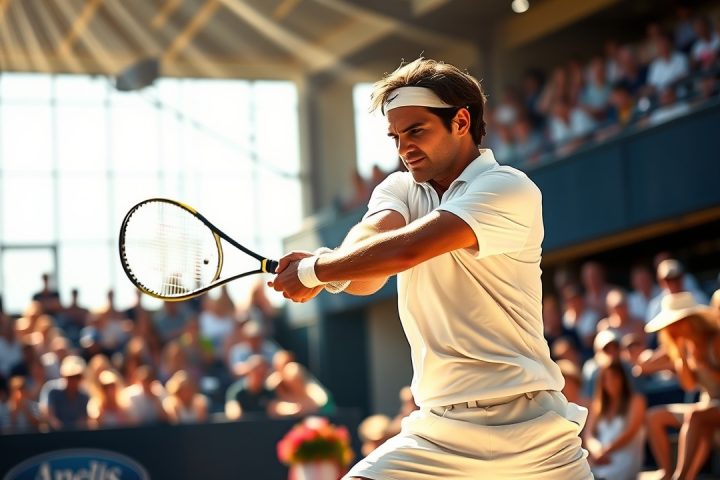
Legendary competitor Roger Federer, who accumulated 20 Grand Slam victories and 103 singles titles across a storied 24-year career, popularized this nickname to describe the tournament’s notably supportive ecosystem. Unlike Wimbledon’s formality or the French Open’s rigorous intensity, Melbourne’s event embraces a relaxed atmosphere where organizational leaders emphasize player welfare and comfort. This philosophy enables athletes to concentrate fully on competition while maintaining psychological well-being, resulting in more dynamic performances and engaged competitors.
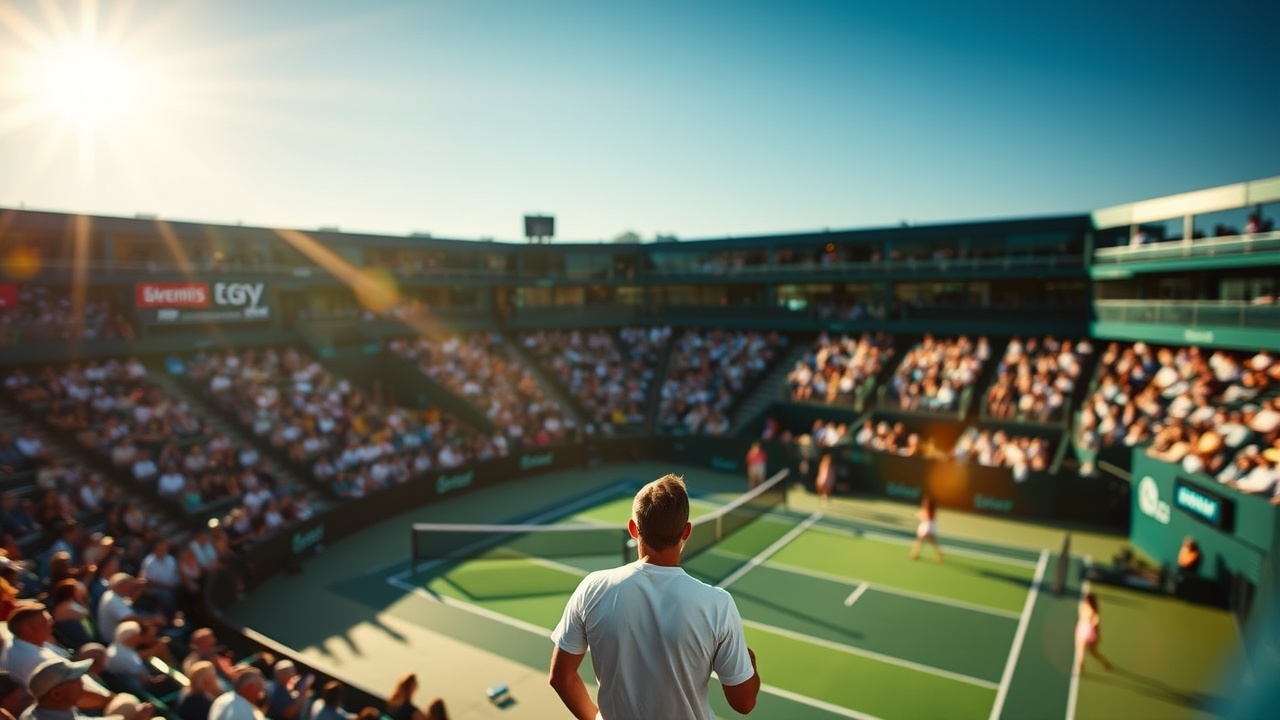
Held annually in January, the tournament coincides with Australian summer’s peak heat, presenting physical challenges for participants. Regulatory heat management protocols mandate extended hydration breaks, allowing players recovery time between contests. Spectators experience the event as a vacation-like celebration, with casual dress codes and informal atmosphere reducing barriers to enjoyment for first-time visitors and families.
The tournament’s distinguishing characteristic lies in its cultivation of authentic relationships between competitors and supporters. Athletes sign autographs at press conferences and demonstrate accessibility, while crowds respond with enthusiastic, respectful energy that visibly elevates player performance. This reciprocal connection—where fans feel personally invested and athletes draw inspiration from crowd enthusiasm—distinguishes the Open from its counterparts.
Global telecommunications now amplify this inclusive culture, transmitting matches to international audiences who participate in celebrations of historic achievements simultaneously. The accumulated positive experiences across decades of tournaments have solidified the Happy Slam’s reputation as tennis’s most welcoming major championship, reflecting a shared commitment to competitor wellbeing and spectator satisfaction that transcends typical sporting competition.