
The Evolving Relationship Between Fashion and Sports
In a moment that highlights the evolving relationship between fashion and sports, Cleveland Cavaliers point guard Lonzo Ball recently admitted he didn’t even know the NBA had a dress code. This revelation underscores a shift that has occurred since the league introduced the policy in the 2005-06 season under former commissioner David Stern. Initially intended to promote a more professional appearance among players, the dress code faced substantial scrutiny and backlash, particularly from those who saw it as an affront to Black culture and expression.
The Origins of the Dress Code
At its inception, the dress code mandated that players dress in business or conservative attire when arriving at games, which led to outrage within the community. Designed to curb the casual and often oversized wardrobe popularized by stars such as Allen Iverson—known for his braids, tattoos, and streetwear—the rule was perceived as an attempt to erase the hip-hop influence that had become intertwined with the NBA. Former player Ira Newble recalls the widespread dissatisfaction among his peers:
No one wanted to have a dress code. It was a big deal.
A Shift in Perspective
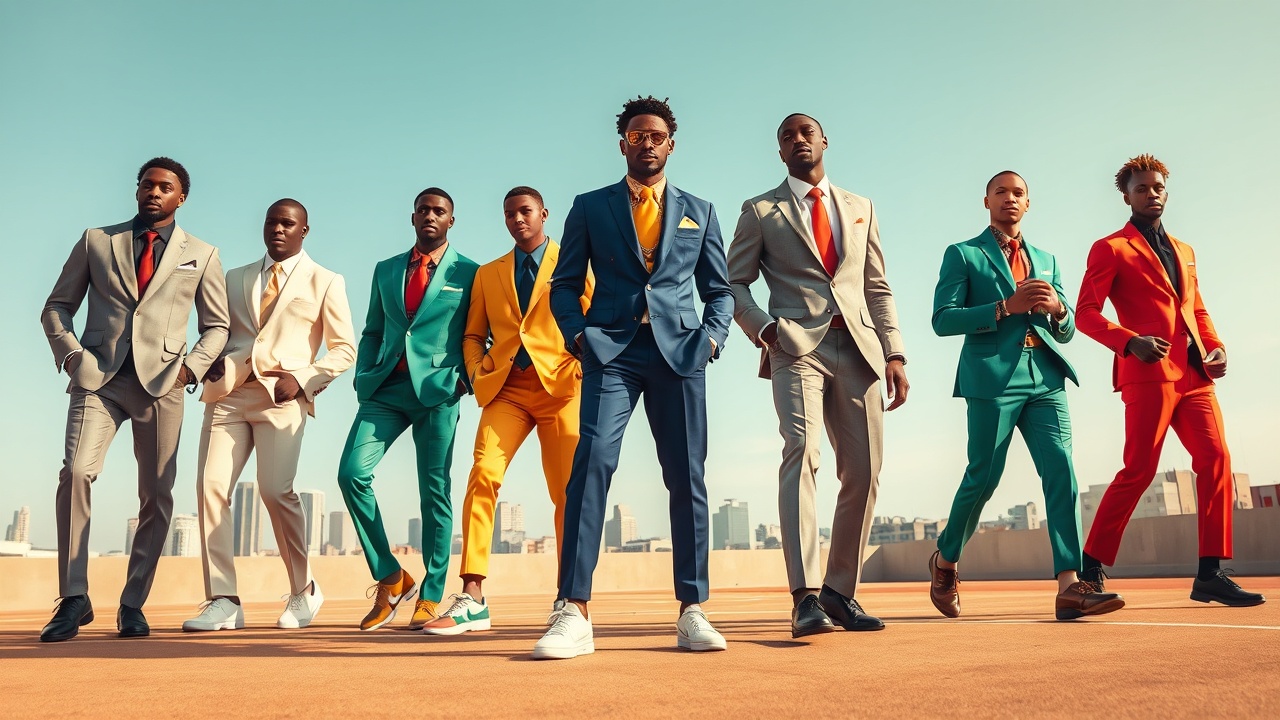
Ball’s lighthearted response to the dress code query reflects a generational shift; for many contemporary players, the rule has morphed into a platform for personal style rather than suppression. Since Adam Silver took over as commissioner in 2014, the enforcement of the dress code has relaxed significantly. Players are now seen showcasing their fashion choices with pride as they make their way to games, transforming the tunnel entrances into a showcase akin to a fashion runway.
Kathy Behrens, the NBA’s president of social responsibility and player programs, acknowledged that while the league foresaw some resistance, the intent was never to diminish hip-hop culture. Instead, it was about promoting professionalism. Ironically, what began as a controversial edict has spurred a renaissance in fashion within the league. Players began to embrace the change, turning pre-game attire into a competitive display of style and self-expression.
The Impact of Fashion on Players
This cultural shift is echoed by current players who recognize the profound impact that fashion has on their public personas and business ventures. Darius Garland of the Cavaliers articulated this growth, stating,
Now we can put on our own stuff. We can express ourselves.
The intersection of fashion and NBA culture has opened new revenue streams for players, with fashion deals from major brands becoming increasingly common. Reflecting on this evolution, Ball noted that the styles of the past—characterized by streetwear and oversized designs—have laid the groundwork for a new wave of influencers within the fashion world, with players now at the forefront of a trend that continuously elevates hip-hop aesthetics.
A Cultural Revolution
What began as an effort by the NBA to enforce a dress code has instead ignited a cultural revolution that embraces individuality and creativity. The league has shifted from a stance of policing to one of celebration, as it recognizes that the players’ fashion choices are not merely expressions of identity but powerful cultural statements. The original contentiousness around the dress code has instead culminated in a vibrant blend of sports and style, showcasing the athletes as trendsetters rather than enforcers of conformity. As Garland aptly put it,
We are the influencers.