
Transformation of the Super Bowl Halftime Show
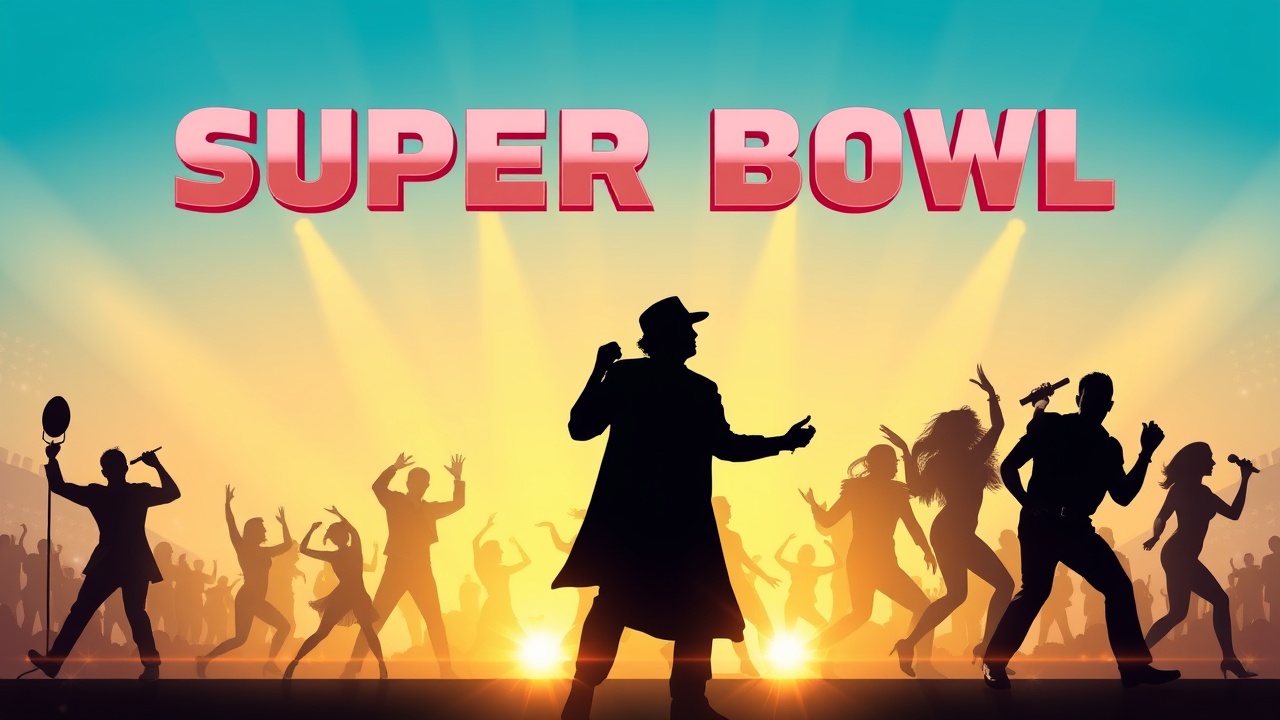
Super Bowl halftime shows have undergone a dramatic transformation, seamlessly transitioning from traditional marching bands and ceremonial displays to become a pivotal part of the global entertainment landscape. With each passing year, these performances—notably from artists like Prince, Rihanna, Usher, and Kendrick Lamar—have turned the intermission into an extraordinary showcase attracting over 100 million viewers from around the globe, rivaling even the championship game itself in prominence.
Bad Bunny and the Influence of Latin Music
This year, Bad Bunny is set to take center stage, further cementing the influence of Latin music and culture within one of America’s most-watched events.
“The evolution of the halftime show has been remarkable,”
remarked Dan Marino, the legendary quarterback known for his 17 seasons with the Miami Dolphins and participation in the 1985 Super Bowl. Marino noted that the shift to a widely viewed spectacle was gradual.
“In the past, a limited audience paid attention; now, it captivates many.”
Historical Context and Cultural Milestone
Historically, the NFL’s halftime entertainment prioritized family-oriented acts, such as marching bands and patriotic displays, but as the popularity of the Super Bowl skyrocketed into a cultural milestone—and an unofficial national holiday—the league recognized the potential of these brief performances. This led to an expansive reassessment of how those cherished minutes could serve as a platform for artistic expression and broader cultural discourse.
Notable Performances and Viewer Engagement
Last year, Kendrick Lamar‘s halftime show stood out as a profound narrative experience, incorporating intricate choreography and symbolism to delve into themes of identity and societal dynamics. His performance garnered a staggering 133.5 million viewers, outclassing Usher’s 2024 appearance, which saw about 129.3 million viewers. This marked a significant moment as Lamar’s figure surpassed even the viewership for the Philadelphia Eagles’ Super Bowl victory over the Kansas City Chiefs.
The excitement surrounding these performances is palpable, characterized by their unpredictable nature. Actress Scarlett Johansson, who admits she isn’t a fervent football fan, expressed her fascination with the halftime show, likening it to a live drama where anything can happen.
“There’s a sense of nervous thrill watching it unfold, knowing something unexpected could occur at any moment,”
she shared.
Kris Jenner echoed these sentiments, describing the halftime spectacle as a thrilling surprise that continuously elevates in quality and production value over the years.
“Watching the creativity and energy that goes into crafting these performances makes them a highlight of the event,”
she noted.
Reflections from Artists
Reflecting on his own journey, Usher described how his experience performing alongside the Black Eyed Peas at the 2011 Super Bowl taught him the importance of valuing each opportunity, as only a small number of artists receive the chance to showcase their talents on such a vast platform.
Evolution of the Halftime Show
The inception of the Super Bowl halftime show in 1967 saw a decidedly different tone, featuring traditional acts like marching bands and bringing less star power. The first show included performances by the University of Arizona and Grambling State University marching bands, with flying pigeons and jetpack stuntmen adding to the spectacle. The NFL, however, soon recognized the need to elevate the entertainment level, leading to iconic performances starting in the early 1990s with artists like New Kids on the Block and Gloria Estefan. The watershed moment came in 1993 when Michael Jackson graced the halftime stage, a performance notable not just for its entertainment value but for expanding what the halftime show could represent.
Star-studded acts have continued to define the halftime experience, with U2’s tribute to 9/11 victims, Beyoncé’s political fervor through her hit “Formation,” and the groundbreaking first hip-hop show led by Dr. Dre and Snoop Dogg in 2022 being particularly noteworthy. Snoop extolled NFL commissioner Roger Goodell and Jay-Z for their collaborative efforts to innovate the halftime format, illustrating how the NFL has adapted to reflect broader societal changes and musical trends.
“This is music that resonates with the world today,”
Snoop affirmed.
Conclusion
As the Super Bowl maintains its cultural and entertainment significance, the halftime show continues to evolve, embracing a wider range of artistic expression that resonates with both the players and the audience alike. This ongoing transformation encapsulates the thrilling marriage of sports and entertainment in contemporary culture, ensuring that each broadcast remains a momentous occasion.