
Introduction
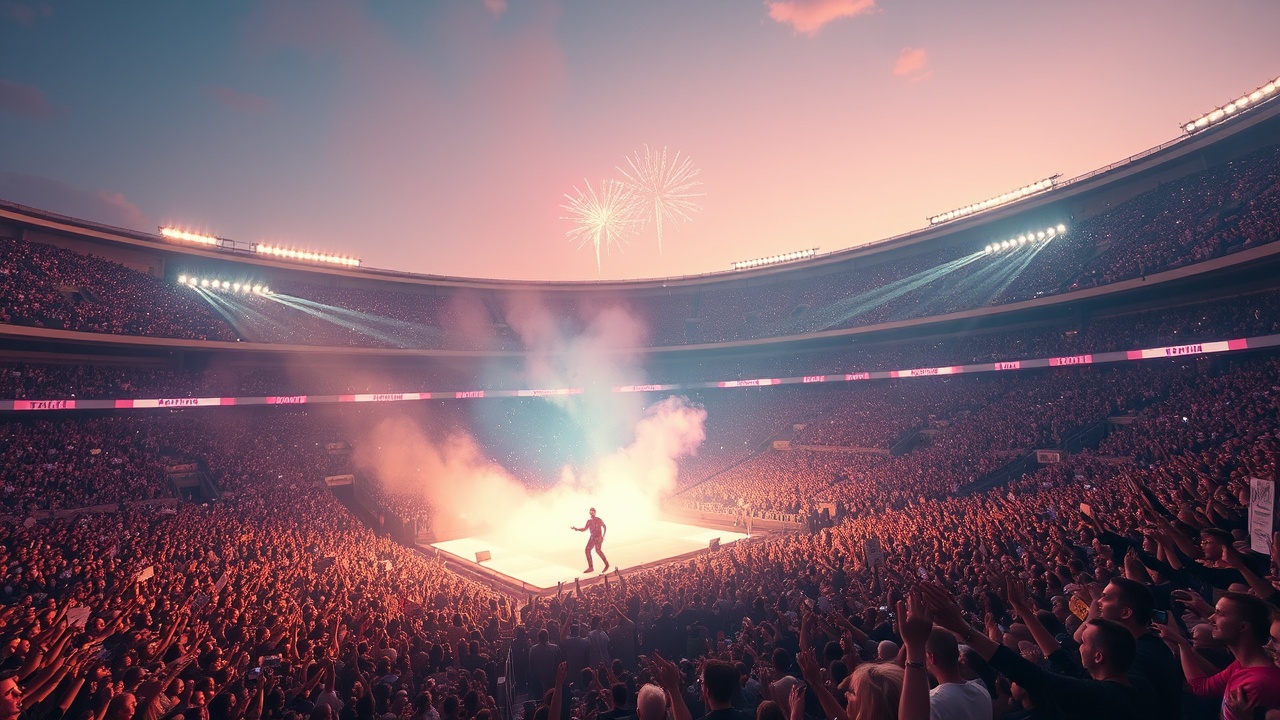
In the realm of American television, few events captivate audiences like the Super Bowl halftime show. Although it spans a mere 13 minutes, this highly anticipated spectacle has ignited intense discussions and controversies across the years. From standout moments like the infamous wardrobe incident with Janet Jackson and Justin Timberlake to powerful political statements made by artists such as Beyoncé and Kendrick Lamar, the halftime performance serves as a canvas for social commentary that resonates long after the final whistle.
Historical Context
Historically, the halftime show has been a stage not just for music, but for cultural expression and critique. Janet Jackson’s 2004 performance with Justin Timberlake remains particularly notorious. As their duet of “Rock Your Body” reached its climax, Timberlake inadvertently exposed Jackson’s breast, an incident that led to widespread uproar, regulatory scrutiny, and discussions about broadcast decency. The fallout was starkly uneven: while Jackson faced professional ostracism and was excluded from the following week’s Grammy awards, Timberlake’s career continued largely unaffected, sparking debate about racial and gender disparities in public scrutiny. The hashtag #JusticeForJanet gained traction over the years, underscoring a broader conversation about the consequences of that fateful moment.
Political Statements and Social Commentary
Fast forward to 2016, when Beyoncé took center stage in a performance brimming with political symbolism through her song “Formation.” Set against the backdrop of the Bay Area, her act featured dancers in Black Panther-inspired outfits and evoked powerful historical themes centered on Black identity and empowerment. While millions applauded the daring portrayal, it also drew fire from critics who accused it of fostering anti-police sentiments. The performance encapsulated a pivotal moment in the ongoing national discourse on race, significantly broadening the context of a halftime show.
Another remarkable instance of social commentary emerged during Coldplay’s 2016 halftime performance, which aimed to propagate themes of unity and love. Complemented by guests such as Beyoncé and Bruno Mars, the colorful spectacle celebrated inclusivity. However, the embrace of LGBTQ+ symbolism drew ire from some conservative circles, indicating the show’s dual role as both an entertainment spectacle and a barometer for societal values.
Kendrick Lamar, during last year’s show, effectively utilized his performance to explore narratives of identity and the very perception of Black Americans. With a meticulously crafted set featuring Samuel L. Jackson making poignant commentary amid the creative visuals, Lamar’s act highlighted the tension between artistic freedom and the confines imposed by the NFL.
Controversies and Defiance
Significantly, the halftime showcase has seen artists challenge the NFL’s limits when it comes to political expression. Jennifer Lopez and Shakira’s 2020 performance sparked controversies over imagery seen as a critique of U.S. immigration policies, underscoring the tension between artistic intent and broadcasting restrictions. Eminem’s knee during his 2022 performance further illustrated this dynamic as he referenced Colin Kaepernick’s protests against police brutality, an act that was reported to have been discouraged by the NFL, though the league later refuted such claims.
Additionally, the halftime shows have repeatedly drawn public attention to moments of defiance. From Madonna’s provocative gestures to various artists’ deliberate choices to advocate for social issues, each performance has contributed to an ongoing dialogue that transcends mere entertainment. This historical context set against the backdrop of current societal debates shapes how audiences perceive the halftime show—not only as a celebration of music but as an essential platform for commentary on critical cultural issues.