
Hope for an NBA Franchise in Mexico City
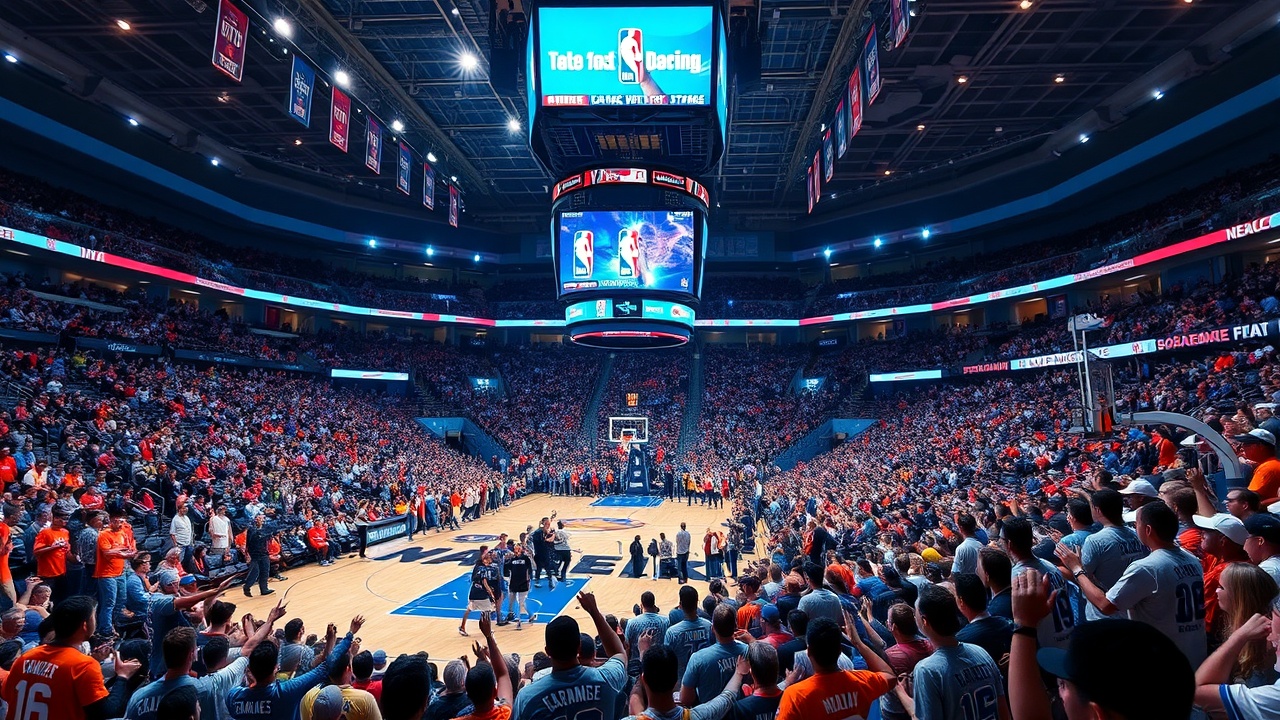
On February 24, 2024, a fan of the Mexico City Capitanes stood with pride as the National Anthem played prior to a game against the Long Island Nets at Nassau Veterans Memorial Coliseum. This scene is emblematic of a long-standing desire for an NBA franchise in the vibrant capital of Mexico, a conversation that has been part of basketball dialogues for decades but still remains unfulfilled.
Historical Context
The origins of this ambition can be traced back to 1992 when the NBA first ventured outside the United States for an international game, held in Mexico City between the Dallas Mavericks and the Houston Rockets. This event marked the beginning of an enduring relationship between the NBA and Mexican fans, leading to several exhibition games in the years that followed. By 1997, the country hosted its first regular-season game, continuing to do so each season—except during the pandemic-impacted years.
The Rise of the Capitanes
The establishment of the CDMX Capitanes in the G League in the 2021-22 season represented a significant step toward bridging the NBA and Mexican basketball. Officially welcomed to the league in 2019, the Capitanes provided fans with their closest connection to the NBA. Supporters, motivated by a vision of an NBA franchise in Mexico City akin to destiny, fervently advocate for expansion.
“Mexican fans bring more passion than people think,” noted Alex, one such supporter.
He believes that the thriving soccer culture in Mexico has seamlessly transitioned to create a passionate basketball fanbase. NBA Commissioner Adam Silver has suggested that there is significant potential for expanding in Mexico City, calling it a key opportunity for the league’s growth in Latin America. Yet, the path to this expansion is not straightforward.
Challenges to Expansion
As the discussion around NBA expansion heats up, it’s essential to recognize the context. By the end of 2024, Silver acknowledged that while he would love to see a team in Mexico City, the reality remains that cities in the U.S. with more established business interests in the league are being prioritized.
The Capitanes continue to demonstrate their worthiness for consideration, hosting matches at the Arena CDMX, which can seat over 22,000 fans. The atmosphere at their games is often electric, marked by family attendance, vibrant displays of support, and passionate participant engagement. Many fans believe these attributes reflect the necessary elements for a successful NBA presence.
“With the team we have, any players would adapt to it tomorrow,” expressed Adrian, another devoted follower.
Despite the palpable enthusiasm from fans, there remain significant challenges to establishing a franchise. Insights from Capitanes staff reveal essential logistical and financial hurdles. While the passionate crowd and vibrant culture signify a burgeoning fan base, the organizational infrastructure—like owning an arena and centralized practice facilities—falls short of NBA standards. Currently, the Capitanes train near the Olympic Committee’s facilities, which are not conducive to the demands of an NBA team.
Concerns Over Cultural Identity
Vítor Galbani, the head coach of the Capitanes, elaborated on the disparities in resources between his team and established franchises, noting that their current setup serves more as a development platform rather than a contender. Fans often overlook the reality that while they yearn for an NBA team, the dynamic nature of the G League means roster changes that could sap consistency and long-term fandom.
The passion, however, is undeniable. Capitanes games draw large crowds, and merchandise sales have been impressive, particularly when connected to local and Latin American identities. Yet, transitioning to an NBA franchise may come with the loss of that flavor. Critics fear that a future NBA team in Mexico City would dilute the cultural essence that defines the Capitanes, as rosters would likely be filled with American players rather than local or regional icons. The identity of the team, currently so closely tied to its Latin roots, could fade amid the pressures of maintaining competitive rosters and NBA-level expectations.
Economic Accessibility and Future Prospects
Additionally, the contrast in economic accessibility remains a concern. G League games are affordable, with ticket prices starting at less than $3, while NBA game tickets soar into a few hundred dollars—creating a barrier for local fans who might struggle to attend regularly. According to Ivan, a longstanding supporter, even the logistics of travel for an NBA franchise from Mexico City involves significant financial considerations that create further roadblocks.
Despite the obstacles, the Capitanes have cultivated an undeniable basketball culture in Mexico and provided a community space that fosters local pride. However, as the NBA looks toward international expansion—particularly toward Europe, with an ambitious project set to roll out in 2027—the prospects for a franchise in Mexico City appear dim, constrained by financial demands and the reality of NBA operations.
While an NBA team in Mexico City seems like a distant dream, the Capitanes stand as a bastion of hope for many, proving that basketball thrives in the heart of Mexico. Until the necessary infrastructure and financial backing are in place, the pursuit of an NBA franchise remains a fervent aspiration, one that embodies the emotional investment of fans who believe that one day, Mexico City will realize its basketball destiny.