
Chris MacFarland’s Rapid Transition
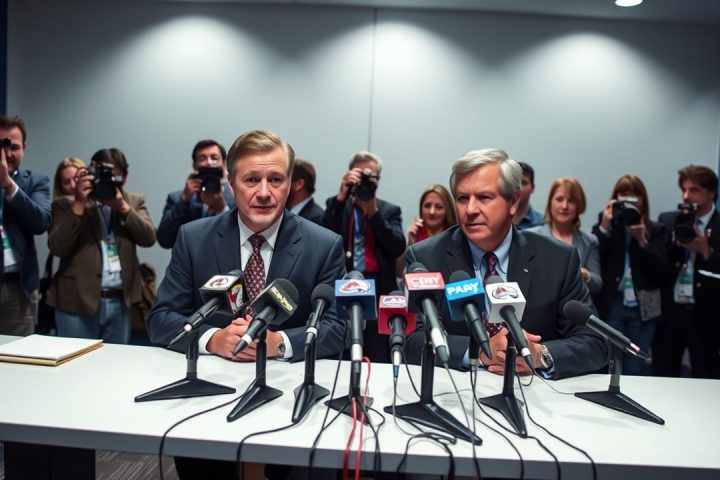
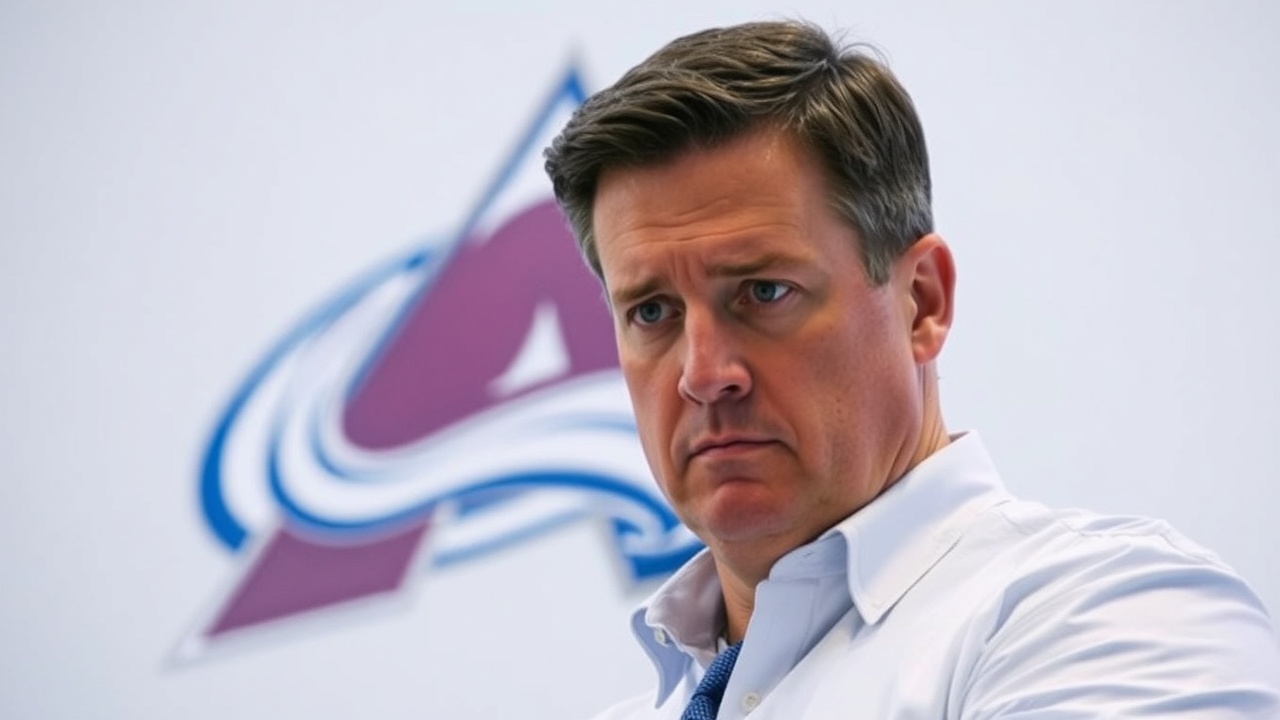
In a stunning turn of events, Chris MacFarland‘s transition from a pivotal member of the Colorado Avalanche’s management to his new role as President of Hockey Operations and General Manager for the Nashville Predators happened in under 24 hours. This rapid shift has prompted speculation about the internal dynamics within the Avalanche organization.
Departure from Colorado
MacFarland’s departure from Colorado was both abrupt and seemingly unchallenged, raising eyebrows about the team’s direction and leadership. Nashville confirmed his appointment on June 2, 2026, marking the end of his tenure with Colorado, a chapter that closed almost as swiftly as it had begun. The timing of this exit has led many to wonder whether the Avalanche organization genuinely wished to retain MacFarland or if they accepted his move with less resistance, hinting at underlying issues in team management.
Avalanche’s Competitive Status
Currently, the Avalanche are striving to maintain their status as a competitive force, boasting a squad that many consider one of the most formidable in recent years, with aspirations for a Stanley Cup win. However, the actual results on the ice have not aligned with these high expectations; the team has struggled to capture the championships anticipated, with diminishing draft picks affecting the roster’s depth and age becoming a factor in performance.
Noteworthy Circumstances Surrounding MacFarland’s Exit
The circumstances surrounding MacFarland’s exit are noteworthy. If he was seen as a vital part of the team’s future, one might expect a more controlled effort to keep him. Instead, the organization allowed him to leave, which some interpret as a gesture of respect, while others caution it may signal a significant shift on the horizon.
Recent Playoff Disappointments
The Avalanche have faced disappointing playoff outcomes in recent times, with their most recent campaign ending against the Dallas Stars. Colorado was eliminated in a seven-game series where they once again found themselves unable to overcome their opponent’s physicality and strategic play, leading to speculation about the team’s resilience and approach in high-pressure situations.
Controversial decisions, including the trade of forward Mikko Rantanen to the Carolina Hurricanes earlier in the season, which later played a role in the Stars’ playoff success, have amplified the scrutiny on the Avalanche’s management strategies and execution.
Management Scrutiny and Future Directions
MacFarland, alongside head coach Jared Bednar, found themselves scrutinized amid these ongoing discussions about accountability within the organization. Following the disappointing playoff performances, many expected that the Avalanche would adapt their style to become tougher and more difficult to face in the playoffs. However, while experienced players like Brent Burns joined the squad to enhance playmaking, significant injuries have hampered desired physicality among key players like Josh Manson.
This situation reflects a broader trend where the Avalanche’s core players, including Nathan MacKinnon, who recently earned the Maurice “Rocket” Richard Trophy, face greater pressures in the playoffs. The roster’s inconsistencies became glaring, particularly in their inability to respond to the tactical rigidity imposed by teams like the Vegas Golden Knights in the playoffs.
Concerns Over Draft Capital and Long-Term Strategy
MacFarland’s management decisions have been scrutinized, with a trail of trades and roster changes leaving the Avalanche depleted in draft capital and prospects. Most notably, losing their first-round pick until 2029 highlights a concerning strategy that prioritizes immediate success at the expense of long-term stability.
Re-evaluation and Future Leadership
As his exit reverberates through the franchise, the Avalanche seem to be confronting a familiar cycle of re-evaluation. Joe Sakic finds himself at the helm once more, steering a franchise that once flourished together around a championship vision into a future where the core continues to age and the urgency for success grows.
This constant reshaping—of management, player roles, and strategies—casts the Avalanche in a light of instability. While MacFarland’s departure may not appear as a traditional firing, it speaks volumes about the pruning of leadership as the team grapples with profound questions of identity and direction.
No matter how MacFarland’s exit is interpreted—be it a strategic maneuver or a mere casualty of circumstance—the reality remains: the Avalanche are still tangled in their quest to solve the issues that have plagued them since their successful 2022 season, with leadership adjustments potentially merely shifting the burden of accountability within the organization.