
Manchester United’s Consideration of Michael Carrick as Permanent Head Coach
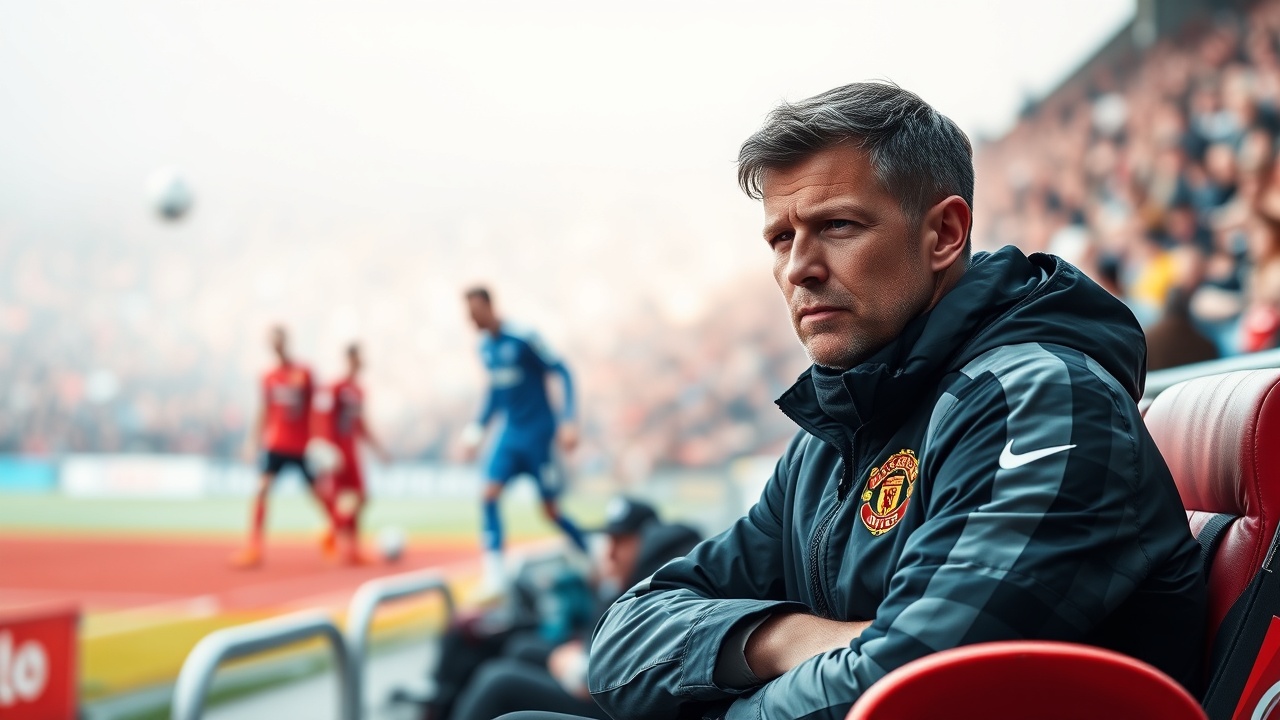
Manchester United is contemplating making Michael Carrick their permanent head coach after a series of impressive results since his interim appointment, which saw the team secure Champions League qualification—a remarkable turnaround from their previous placement in the league. This echoes a prior situation when Ole Gunnar Solskjaer was celebrated after taking over from the controversial Portuguese manager José Mourinho, leading to an extensive winning streak and fans clamoring for his permanent promotion.
Impressive Performance Under Carrick
Since stepping in for the dismissed José Mourinho, Carrick has managed to guide United to victories in 10 out of his first 15 matches, stirring excitement among players who have expressed their full confidence in him. Statements from the squad indicate a strong belief in his capabilities, with players emphasizing his deserving position as the team’s permanent manager and their dedication to fighting for him on the pitch.
Fostering a Youth-Friendly Environment
Carrying the momentum from this season, it is clear that Carrick has fostered a more stable and youth-friendly environment compared to what his predecessor, Ruben Amorim, offered. Under Amorim’s reign, talented academy graduates struggled for playtime, notably Kobbie Mainoo, whose involvement dropped to a mere 12%. In stark contrast, since Carrick took charge, Mainoo’s playing time has surged to 92%, and he has vocalized his commitment to the new managerial approach.
Concerns About Long-Term Success
Despite these promising developments, historical patterns within the club raise questions about whether Carrick’s success can be sustained in the long term. Previous managers like Solskjaer and others enjoyed fruitful beginnings, only to see their tenures ultimately falter as they could not maintain a competitive edge in both league and European competitions.
Current signs suggest that while United has improved in terms of results, they are not creating scoring opportunities as efficiently as needed, which could prove problematic moving forward. Statistically, the club has recorded a drop in expected goal differential under Carrick’s management, indicating reliance on finishing rather than consistent chance creation. Additionally, Carrick’s United has allowed more penetration into their defensive third while generating fewer attacks in the opponent’s box.
The Need for Caution
Such trends bring to light a concerning pattern: teams that fall short in terms of generating advantageous scoring opportunities often struggle to maintain success over a campaign. The underlying efficiency of a coach often lies not just in immediate results but in their ability to cultivate a winning philosophy and nurture talent effectively.
Manchester United has famously faced challenges with managerial stability since the exit of Sir Alex Ferguson, and Carrick’s promising start must be examined with caution. If United aims to regain their stature among Europe’s elite, a deeper consideration of Carrick’s tactical approach and long-term viability as a coach is necessary before any permanent commitment is made.