
Introduction
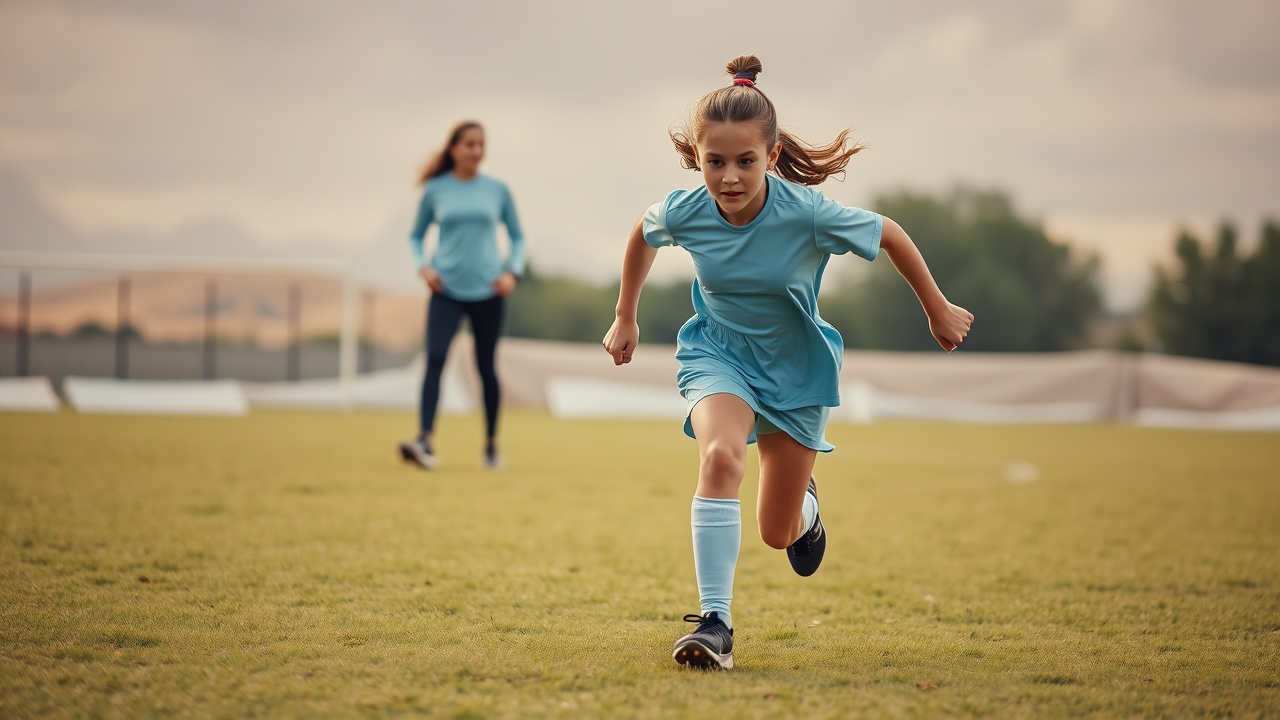
In October, during a routine soccer practice in Harrisburg, Pennsylvania, Sofia Tepichin encountered a rapidly approaching defender. As she maneuvered the ball away, a sudden misstep resulted in her landing awkwardly, leading to a loud “pop” from her left knee. The immediate jolt of pain confirmed her worst fears: a likely anterior cruciate ligament (ACL) tear. For Tepichin, this was a devastating experience that she described as “heartbreaking.”
The Rising Trend of ACL Injuries
Her injury reflects a troubling trend among female high school athletes, who are increasingly suffering from ACL tears. Research indicates that these injuries are occurring at alarming rates, with girls up to eight times more likely to injure their ACLs than boys, particularly in non-contact scenarios that involve rapid directional changes.
Despite comprehensive studies on preventive strategies being available for decades, there remains a dire lack of implementation among youth sports organizations. Concerned parents, medical experts, and trainers have voiced their frustration, noting that teams often do not have the necessary resources or training to effectively safeguard against these injuries.
Statistics and Impact
The severity of the issue is underscored by statistics from the National ACL Injury Coalition, which has revealed a 26% increase in the average annual ACL injury rate among high school athletes from 2007 to 2022, with female athletes experiencing a staggering increase of over 32% compared to 14.5% for males. Notably, injuries often lead to long recovery processes involving surgery, rehabilitation, and mental challenges, profoundly altering these young athletes’ lives and identity.
Personal Stories
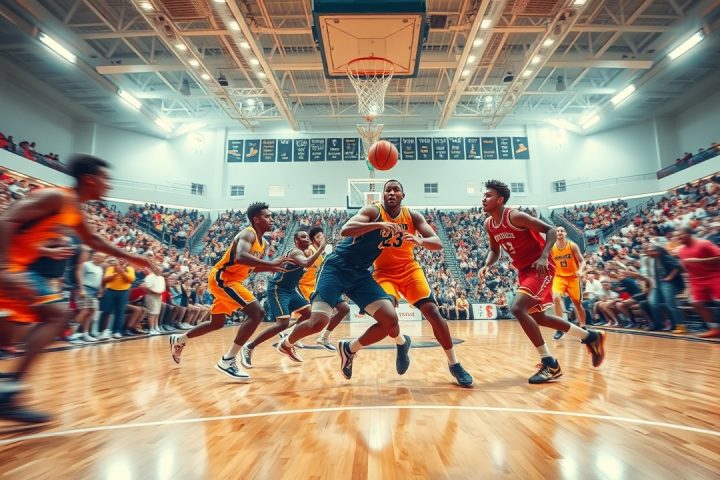
Athletes like Sophia Gerardi, a sophomore at Apollo Ridge High School, are grappling with similar realities. After suffering an ACL tear in a basketball game, she was informed that she will need to wear a brace for the duration of her sports participation, and she faces extended time away from her team as she recovers.
The Need for Education and Training
Coaches, however, frequently lack knowledge about effective ACL injury prevention programs. Surveys indicate that many are not trained in these critical practices, with some expressing that implementing such measures would be too time-consuming. This inadequacy is leading to calls for systemic changes in how youth sports approach training and injury prevention, akin to the advancements made to address concussions.
Innovative Solutions
In response to the growing concerns, the American Youth Soccer Organization (AYSO) is poised to introduce innovative neuromuscular training programs this spring. Designed to be age-appropriate and delivered through manageable exercise snippets, these resources aim to instill safe practices during warm-ups, addressing the lack of preemptive measures in youth sports.
Moreover, pioneering initiatives at the Scottish Rite for Children hospital in Dallas have begun providing high school teams with specialized training programs tailored to female athletes. These sessions encompass strength assessments and movement quality training, fields typically limited to higher-level competition environments.
Parental Perspectives
For parents like Tiffany Jacob, whose daughter Aliya also faced an ACL tear, the urgency for improved preventative measures is clear. After witnessing firsthand the physical and emotional toll of such injuries, she emphasized that coaches and clubs must adopt proactive strategies to mitigate the risk of ACL injuries among young athletes.
Conclusion
As Tepichin navigates her recovery, she finds solace in physical fitness and the support of family and friends who understand her struggle. With aspirations of returning to the field for Saint Vincent College’s soccer team, she remains focused on her health and rehabilitation, embodying resilience in the face of adversity. The push for increased awareness and preventive strategies continues, echoing the demand for improvements in the safety and well-being of young female athletes nationwide.