

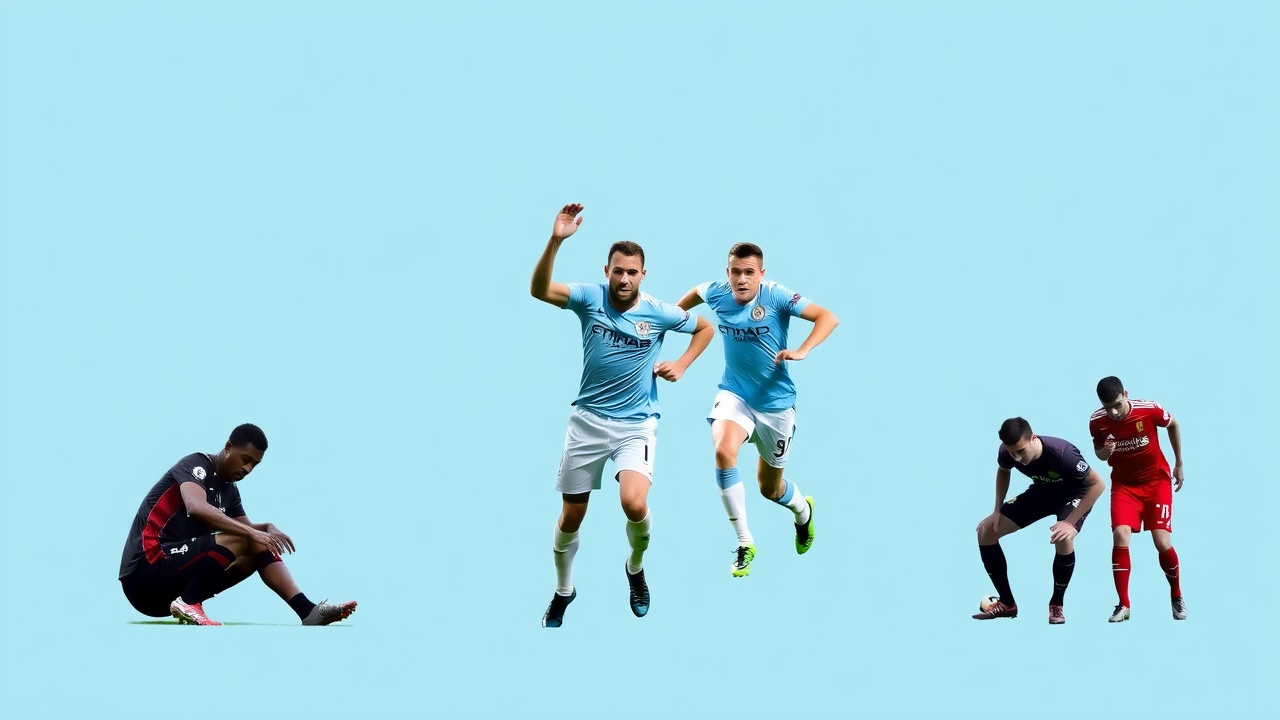
Premier League Season Overview
As the Premier League season kicked off, many were left wondering if Liverpool could successfully defend their title. After investing more than $500 million to enhance their roster, the pertinent issue was whether the influx of new talent would disrupt team dynamics. Additionally, fans were curious about Mohamed Salah’s performance during what was anticipated to be a banner year. Ultimately, the answers turned out to be disappointing: No, the Reds could not replicate their previous success; yes, their squad balance was indeed affected; and unfortunately, little was delivered in tangible results.
Liverpool’s Struggles and Arsenal’s Rise
Struggling dramatically, Liverpool found themselves in freefall, suffering six defeats in seven matches between late September and November, and failing to secure a win for five consecutive games in January. Their sharp decline paved the way for new contenders, and Arsenal seized the opportunity, leaping to the summit of the league. Currently, the Gunners hold a slender two-point lead over Manchester City at the top. However, to claim victory, they must secure wins in their final matches, despite a form that has waned since earlier in the year.
Power Rankings and Team Performances
As we approach the end of the season, it’s time to take a closer look at the latest power rankings reflecting team performances. While Arsenal and City dominate the standings, the battle amongst teams ranked third to fifteenth remains open for discussion. The rankings listed below incorporate contributions from analysts Bill Connelly and Ryan O’Hanlon, showcasing shifts since February as well as current league standings.
Manchester City’s Resurgence
Traditionally, one would expect Manchester City to lead any power ranking list given their credentials, including the management of Pep Guardiola — one of the most lauded coaches of the last few decades. With a roster consistently acknowledged as the league’s strongest since the 2016-17 season, City’s status has recently been reaffirmed in this analysis after a turbulent period. This resurgence marks their first reign at the top since early in the previous season.
City faced a tough stretch last season, recording 14 losses in 51 league matches, drastically lower than their past averages. Their ambitious spending of €520 million across multiple transfer windows didn’t yield immediate returns; it was not until midway through the January transfer period that they began to find their rhythm again. Defensive frailties, particularly during transitional play, had plagued City, evidenced by a poor ranking in expected goals (xG) allowed. Arsenal capitalized on this defensive vulnerability, showcasing superior defensive organization and shot prevention.
Challenges for Liverpool and Chelsea
In contrast, Liverpool struggled to maintain their previous level of play. Both they and Chelsea have suffered from negative expected goal differentials since early April, struggling to create or defend effectively. Injuries to key attacking players such as Salah have compounded their issues. Chelsea’s prolonged losing streak and Liverpool’s lack of results have jeopardized their Champions League aspirations, starkly contrasting their earlier performances.
Teams Exceeding Expectations
Turning to teams performing well relative to their resources, Brentford, Brighton, and Bournemouth stand out for their efficacy in winning more matches than expected, particularly after player departures. These clubs have mastered the art of maximizing their potential, making a significant impact in a league often dominated by richer teams. Notably, Aston Villa could find themselves in Champions League contention by finishing fifth, dependent on their Europa League progress and the ensuing league results.
Conclusion: The Competitive Landscape
Both Arsenal and Manchester City have executed their strategies proficiently this season, while Aston Villa’s ability to secure points, despite adverse xG differentials, has propelled them up the table. Meanwhile, teams like Leeds United have shown adaptability and resilience after a midseason slump, indicating that a variety of survival tactics can still lead to success in the Premier League.
Tottenham Hotspur, grappling with managerial upheaval and tactical misalignment, may yet avoid relegation with a defensive turnaround under new leadership. Displaying a stronger focus on ball retention and pressing, Spurs have decreased their goals conceded. Their fate still hangs in the balance, proving how critical defensive prowess can be to stave off disaster in one of football’s most competitive leagues.