

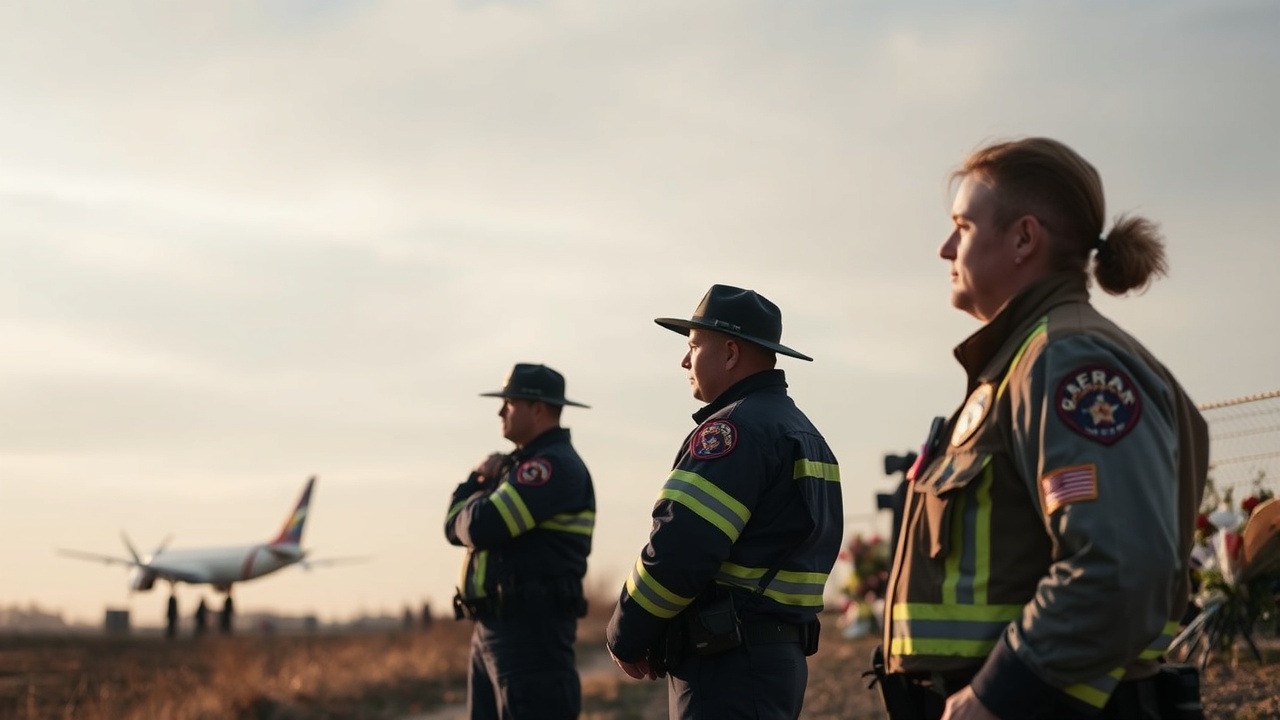
Somber Anniversary of Tragic Collision
A somber anniversary is being observed as families and emergency responders reflect on the tragic midair collision that took place over the Potomac River. A year has gone by since January 29, 2025, when American Airlines Flight 5342, which was approaching Washington from Wichita, Kansas, collided with an Army Black Hawk helicopter, resulting in the deaths of all 67 individuals aboard both aircraft. The crash marked a grim milestone as the most fatal accident in U.S. aviation in over two decades.
Memories and Recovery Efforts
As loved ones recall the harrowing event, images of children’s ice skates, along with personal items belonging to the victims, remain seared in their memories. The aftermath saw emergency crews braving freezing temperatures and murky waters in a desperate effort to recover the deceased from the scene. John Donnelly, the District of Columbia’s Fire and Emergency Medical Services chief, confirmed that expectations for any survivors faded roughly one hour post-crash, shifting the focus to the delicate task of recovering bodies and their belongings.
“If you’ve ever been out on the Potomac, it’s not a pleasant place to dive under the best conditions,”
Tim Lilley, whose son served as co-pilot on the flight, stated, commending the divers who entered the water to retrieve victims amidst dangerous debris.
Response teams mobilized swiftly following the first distress call from the control tower at Ronald Reagan Washington National Airport, with over 350 personnel, including expert divers, assembling at the frigid site by midnight. Robert Varga, a Metropolitan Police Department scuba diver, described the instinctual urgency felt by responders upon hearing the news of the crash. For many, memories of the chaotic scene, which included submerged aircraft debris and personal belongings scattered in the icy waters, will never fade.
Emotional Toll and Ongoing Support
The recovery process lasted nearly a week, with responders meticulously retrieving victims from approximately 8 feet of water. The emotional toll of that night reverberates not just through the affected families, but with the first responders themselves, as they grapple with the trauma of the incident. Many responders had personal stakes in the tragedy, with references to young children who were also aboard the doomed flight serving as haunting reminders.
Events have since unfolded to honor the victims and acknowledge the challenges faced by those who responded. Ceremonies and memorials serve as healing spaces for families and responders alike, while ongoing psychological support initiatives continue to address the emotional weight of such incidents. Edward Kelly of the International Association of Fire Fighters highlighted the importance of mental health resources made available to responders who confronted the grim realities of recovery in the weeks following the crash.
Hope for Closure
Throughout this painful journey, the unified hope among families and responders alike remains centered around providing closure. Recovery of personal items, including cherished keepsakes like earrings and toys, was seen as a critical step toward healing. Varga expressed a message of commitment to the families affected by the disaster, assuring them that every effort was made to honor their loved ones both during and after the initial response.