
Magic City and Atlanta’s Cultural Landscape
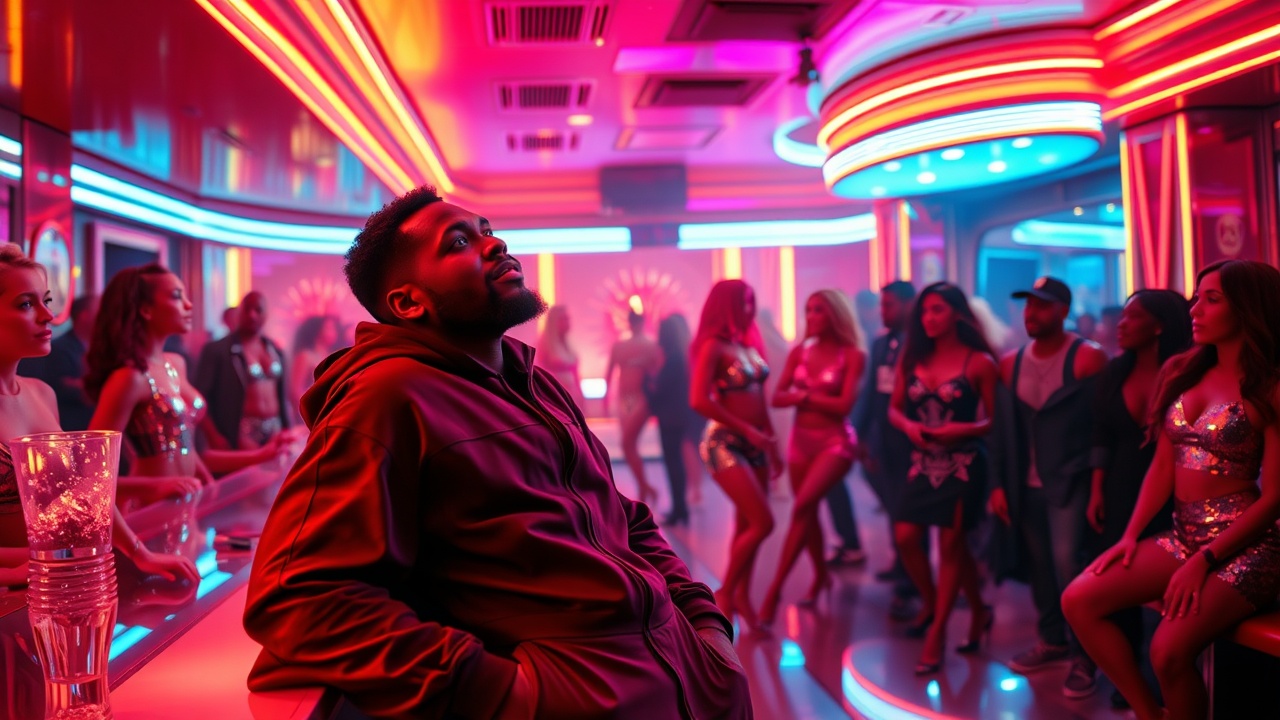
In the basketball world, cultural intersections can often spark excitement or controversy, and nowhere is this more evident than in Atlanta. The city’s beloved strip club, Magic City, has become a notable landmark, not just for its entertainment but also as a significant part of Atlanta’s vibrant culture, drawing athletes and celebrities alike.
Magic City Night Event
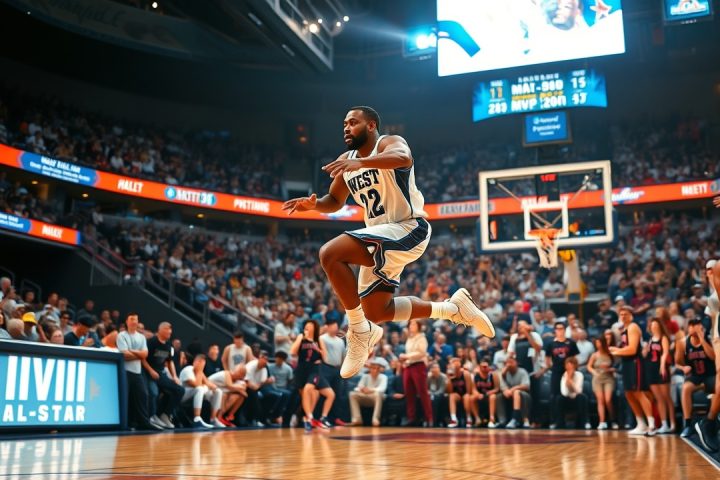
Recently, the Atlanta Hawks attempted to celebrate this unique aspect of their city with a promotional event dubbed “Magic City Night” scheduled for March 16, intended as an homage to their opponent, the Orlando Magic, and the famed club next door.
This event was designed as a fun-filled evening featuring a live podcast with Magic City’s founder, Michael Barney, alongside Hawks owner Jami Gertz; a halftime performance by local superstar T.I.; and, of course, the iconic lemon pepper wings that Magic City is known for. However, the promotional materials ensured there would be no adult entertainment, a decision made in sensitivity to the general public’s perception.
Backlash and Cancellation
In an unexpected twist, just a week after the event’s announcement, criticism emerged from within the professional sports community. Luke Kornet, center for the San Antonio Spurs, penned an open letter urging the Hawks to abandon their plans, suggesting that such an event could contribute to the objectification of women. His position garnered immediate support from fellow NBA star Al Horford, prompting a heated debate regarding the treatment of women and the ethics of sex work in the realm of sports.
In response to the backlash, NBA Commissioner Adam Silver officially canceled Magic City Night, citing widespread concerns from fans, employees, and league partners. While the Hawks expressed their disappointment, they confirmed that the wings and T.I.’s performance would still proceed, albeit devoid of the originally expected festivities. Silver’s decision underscored a disconnection with the local culture, particularly the pride that Atlanta takes in its unique identity and heritage surrounding establishments like Magic City.
Magic City’s Cultural Significance
Magic City has carved out its place within the conversation around urban nightlife. Established by former telecom executive Michael Barney with aspirations of creating a more refined atmosphere, the club has evolved into a gathering spot for social and business networking, bridging influences between various local and national identities. Politicians, artists, and athletes have mingled within its walls, blurring the lines of entertainment and entrepreneurship.
The legacy of Magic City extends beyond its culinary delights, having launched the careers of many artists and drawn in figures from across the sports landscape throughout its history. This includes the infamous incident involving Lou Williams of the Los Angeles Clippers, who garnered the moniker “Lemon Pepper Lou” after he was caught sneaking out of the NBA bubble for chicken wings. Such tales have cemented Magic City’s status, illustrating its unique role within the local community and beyond.
Broader Implications
While the conversation surrounding sex work and its implications in society remains complex and multifaceted, the recent backlash against Magic City Night reflects a broader struggle to navigate the contradictions of contemporary sports culture. Critics argue about the moral implications of a strip club’s influence on younger audiences while ignoring the deeper issues of objectification prevalent in various forms of entertainment, including professional sports.
As the NBA grapples with its identity amidst these tensions, the Magic City Night saga serves as a striking reminder of the delicate balance between cultural celebration and societal critique. Silver’s actions, perceived by many as a misstep, illuminate how the league is caught between endorsing the rich cultural heritage of cities like Atlanta while attempting to maintain a facade that aligns with mainstream sensibilities. This episode raises vital questions about the profitability and authenticity of blending sports with Black culture, challenging the league to reckon with its principles and its audience in the years to come.