
NBA Returns to London
On Sunday, the NBA returned to London for its 10th regular-season game, featuring the Memphis Grizzlies who triumphed over the Orlando Magic with a score of 126-109. This match was significant within the broader context of NBA efforts to expand its presence in Europe, particularly following the Magic’s recent victory over the Grizzlies in Berlin, which marked the league’s inaugural regular-season game in Germany.
Plans for NBA Europe
In a move to enhance its European footprint, the NBA is exploring the establishment of a standalone league, tentatively dubbed “NBA Europe,” with aspirations to kickoff within two years. Paris and Manchester are set to host a double-header in 2027, and both cities, alongside Berlin and London, are being eyed for participation in this new league, which would encompass 12 to 16 teams and could feature both existing basketball clubs and traditional football teams.
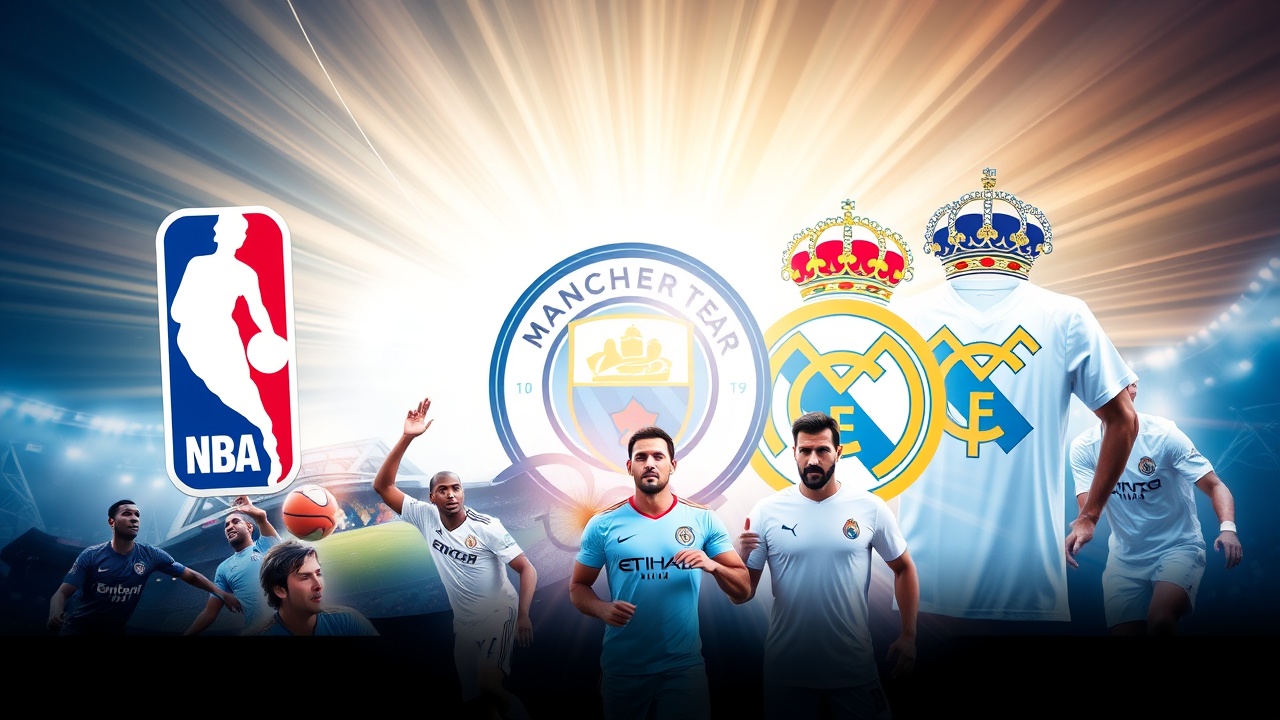
Diverse European cities like Manchester City and Real Madrid are already being considered as potential franchises. Representatives from these football giants attended a recent presentation in London, where NBA Commissioner Adam Silver highlighted the league’s long-term vision and the unique opportunities presented by European markets.
Challenges and Opportunities
Despite basketball’s grassroots popularity rapidly growing in the UK, particularly with increased investment from the NBA and local authorities, the professional landscape lags behind other European nations. Although this NBA season saw a record four British players in active rosters, it’s still a small representation compared to the overall European player base.
The proposed NBA Europe initiative isn’t without its critics; the EuroLeague, which governs Europe’s premier club basketball competition, has expressed strong opposition, even suggesting legal action against the NBA if they attempt to poach its clubs. Nevertheless, the NBA’s engagement with stakeholders and former athletes underlines the potential for revamping basketball in Europe, with figures like Dirk Nowitzki keenly anticipating this new chapter after seeing the league’s previous expansion efforts.
Logistical Considerations
In terms of logistics and operational hurdles, challenges such as travel distances and scheduling remain points of concern, especially if teams will need to journey as far as Turkey and Greece for games. Isiah Thomas noted that modern travel capabilities might facilitate easier logistics in comparison to past years.
Future Prospects
Adam Silver insists that the performance indicators for the NBA Europe project will focus on the growth of basketball in the region rather than immediate financial returns. Events are likely to commence in small arenas while plans for larger venues are finalized. Ticket pricing is anticipated to align with that of existing European sporting events.
The future of NBA Europe will take shape over the coming year, with continued presentations and discussions with potential investors, including global financial firms. The interest of high-profile international athletes, such as Zlatan Ibrahimovic, further underscores the significance of this venture. Ibrahimovic remarked that a successful merger of the NBA’s business model with European fan engagement could result in a monumental cultural exchange through basketball.
As plans materialize, it remains to be seen whether the league will officially launch for the 2027-28 season, but many, including former NBA MVPs, continue to express optimism about its potential impact.