
Oklahoma City Thunder’s Playoff Exit
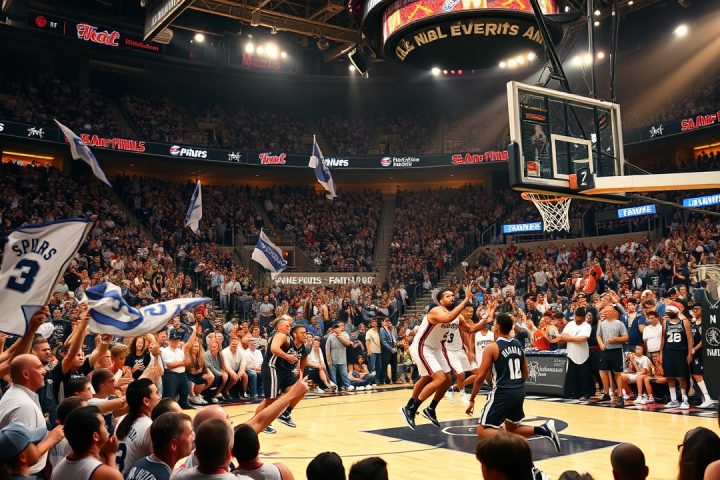
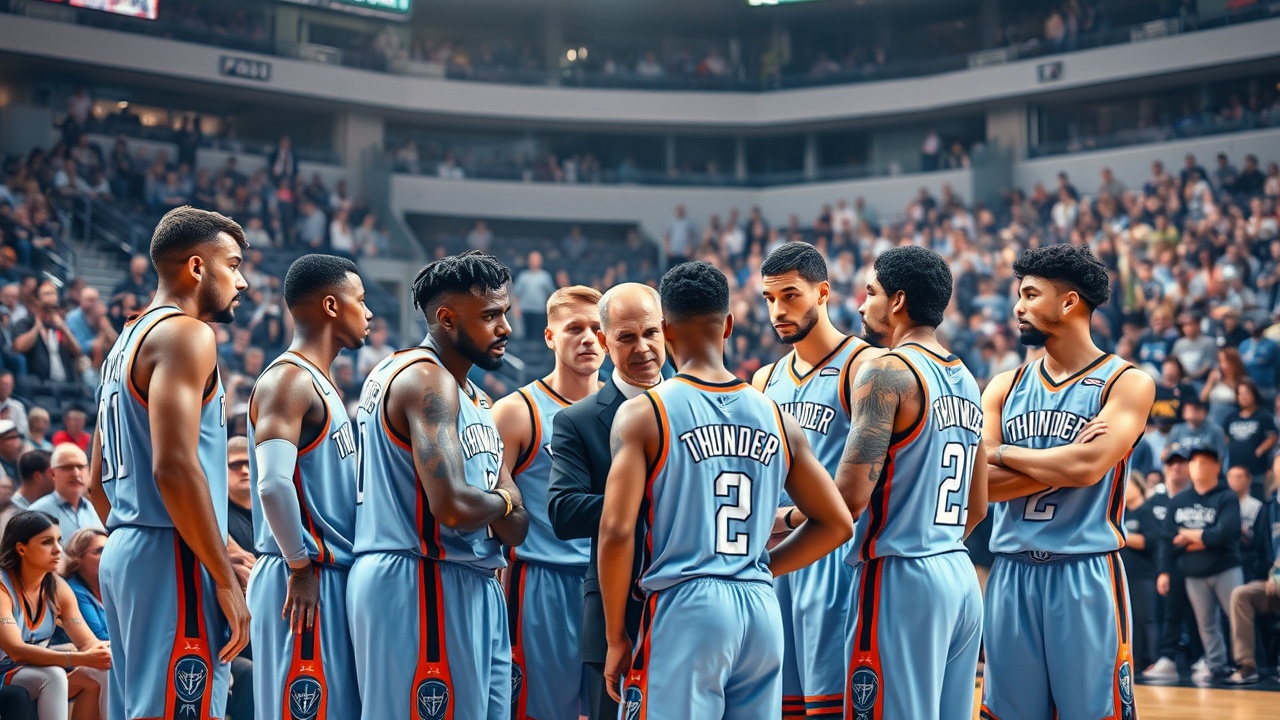
In the aftermath of the Oklahoma City Thunder’s narrow loss to the San Antonio Spurs in the highly contested Game 7 of the Western Conference finals, star player Shai Gilgeous-Alexander faced the media. Deflecting inquiries about the team’s future direction following their exit, he stated,
“I will let Sam Presti, the greatest GM ever, do his job,”
underscoring his confidence in the front office amidst uncertainty.
Sam Presti’s Legacy
Sam Presti, who took the helm of the Seattle SuperSonics at just 31, has now dedicated 19 seasons to managing the franchise, which relocated to Oklahoma City in 2008. His astute drafting and trading have not only revitalized this small-market team but have also established two impressive young cores, earning him an extraordinary level of trust and autonomy from the ownership and the fanbase alike.
Financial Realities Ahead
However, following this recent playoff exit, the Thunder must now face pressing financial realities. The team’s ownership group, particularly Clay Bennett, will need to commit substantial resources to maintain their competitive roster, especially as they aim to keep the momentum from three consecutive seasons finishing as the top seed in the league. They achieved win totals of 57, 68, and 64 games during this span, with the highlight being a championship in the middle season. This year’s playoffs, unfortunately, ended with a heartbreaking defeat to the 62-win Spurs, dampened by the injury of Jalen Williams, one of their key players.
Salary Cap Challenges
Looking forward, both Williams and another vital contributor, Chet Holmgren, signed lucrative extensions last summer that will significantly impact the team’s salary cap as they kick in during the 2026-27 season. Holmgren’s paycheck will leap from $13.7 million to $41.5 million, while Williams will see similar growth from $6.5 million to $41.5 million. This looming increase in payroll is exacerbated by uncertainty surrounding the contracts of other impactful players, including center Isaiah Hartenstein and wing Luguentz Dort, both of whom have team options that could lead to significant financial decisions in the near future.
Currently, the Thunder’s team salary stands at a manageable $186.7 million, but projections indicate a staggering increase to approximately $250.5 million next season. This amount far exceeds the second apron threshold that would lead to hefty luxury tax penalties, raising questions about the franchise’s financial strategy moving forward.
Future Strategies
League observers believe that Presti’s history of prudent decision-making will likely prevent any hasty reactions to the disappointing playoff exit. There is speculation, however, that the evolving financial situation might prompt the Thunder to reevaluate their roster, particularly the availability of some role players who have played a critical role in their success. This includes potential trades for Isaiah Joe and Aaron Wiggins, whose contracts could provide the flexibility needed to navigate these new fiscal waters while maintaining a competitive roster.
Gilgeous-Alexander, meanwhile, capped off a stellar season by winning his second MVP award while earning a relatively modest $38.3 million compared to his peers. His upcoming extension starting in the 2027-28 season, which begins at $61 million, will amplify the urgency for Oklahoma City to make wise financial decisions concerning their salary cap situation.
Holmgren’s performance in the conference finals fell short of expectations, reflecting not only his need to elevate his game but also emphasizing the Thunder’s reliance on having their core players healthy and effective on the court. With Gilgeous-Alexander, Holmgren, and Williams combined salaries set to skyrocket from $58.5 million this past season to $123.8 million next year, the organization must determine the best way to round out their roster without exacerbating their financial burdens.
As they strategize for the upcoming season and beyond, the Thunder’s management will have to balance the aspirations of maintaining a championship-caliber team with the reality of escalating salary commitments, all while possibly securing additional draft talent that could help alleviate some of that financial pressure in the future.