

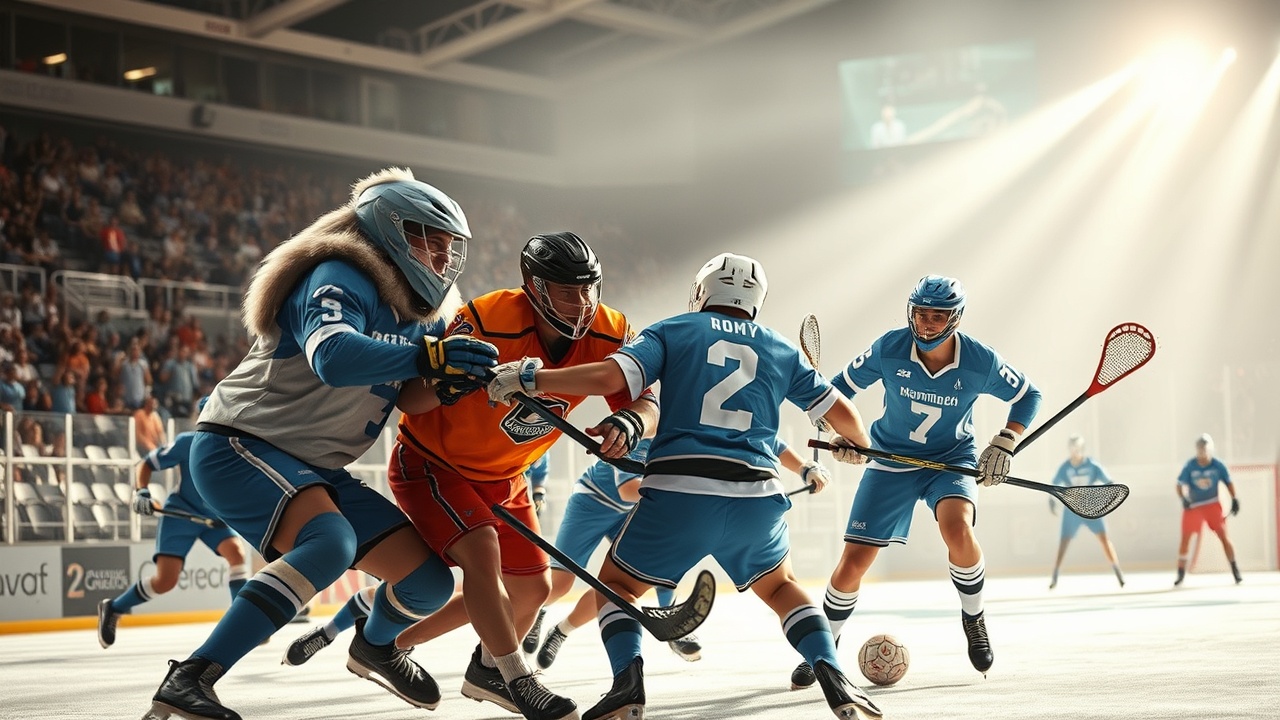
Utah Mammoth’s Playoff Journey
April 30 marked the culmination of a spirited playoff series for the Utah Mammoth, concluding in a punishing 5-1 defeat at the hands of the Vegas Golden Knights in Game 6. The Mammoth, a rapidly rising squad in the NHL, entered the Delta Center with electrifying anticipation, hoping to secure a Game 7 and showcase their skills on a grand stage. However, what transpired served as a stark reminder of the divide between budding contenders and seasoned playoff veterans.
Series Overview
Throughout the series, which was characterized by tight contests and high-stakes drama, the Mammoth showed flashes of their impressive skill and speed. There were moments when they seemed poised to pull off an upset against a formidable opponent. Yet, as the series progressed, the growing pains of an inexperienced playoff team became increasingly evident. The Mammoth’s initial momentum started to falter as the physical and strategic prowess of the Golden Knights wore them down.
From the beginning, the stylistic clash between the two teams was apparent. Utah aimed to create opportunities through quick transitions and open ice, while Vegas, known for their size and grit, sought to dominate play defensively and impose their will.
Golden Knights’ Dominance
As the Golden Knights implemented their strategy, they began to assert their dominance over the Mammoth. By overpowering Utah in the offensive zone and maintaining extended control of the puck, the Golden Knights effectively dictated the flow of the game. Despite boasting a greater number of hits than their opponents, Utah struggled to maintain composure under pressure. There’s a crucial difference between merely hitting and leveraging physicality to control the game’s pace, and this distinction became more pronounced in the later games as fatigue set in for the Mammoth.
Critical Moments
By the time they arrived at Game 4, Utah’s performance began to reflect the drain of competing against such a relentless opponent. Breakouts became less efficient, defensive lapses increased, and the suffocating press from Vegas stymied Utah’s quick-strike offense that had initially served them well.
The critical moments of the series revealed a lack of composure from the younger Mammoth squad. This was particularly evident in Game 4, where, after taking an early lead, they retreated into a conservative, defensive mindset. Recognizing the shift, Vegas seized control and equalized, eventually dominating overtime and representative of shifting momentum.
In Game 5, with their confidence wavering, Utah experienced another gut-wrenching moment. Moments before potentially securing a key victory, a lapse in defensive focus allowed the Golden Knights to equalize once again, reversing the psychological advantage in the series.
Lessons Learned
Veteran teams like Vegas thrive in these crucial gaps, often maintaining composure and tactical integrity under immense pressure—a stark contrast to the Mammoth, who frequently found themselves out of sync, chasing physical play rather than centering their game. Moreover, injuries to pivotal players such as Jack McBain and Barrett Hayton compromised Utah’s depth, reliability in faceoffs, and overall resilience against the relentless barrage from Vegas.
Looking Ahead
Despite their series conclusion, this playoff experience marks a promising beginning for the Mammoth. Salt Lake City’s response to the postseason has been overwhelmingly positive; the atmosphere at the Delta Center transformed into a passionate rallying cry for hockey. The dedication shown by fans demonstrated that they are embracing the Mammoth’s potential as a serious competitor in the NHL.
Key players like Logan Cooley have continued to showcase their emerging talent, and with the anticipated arrival of Tij Iginla, the Mammoth’s future looks brighter. This postseason may have exposed their current hurdles—depth issues, experience, and physicality—but it has also laid the groundwork for what could be a successful era ahead. Expectations around Utah are now not only about simply participating in the playoffs but about building a legacy, and the Mammoth’s journey is just beginning.