

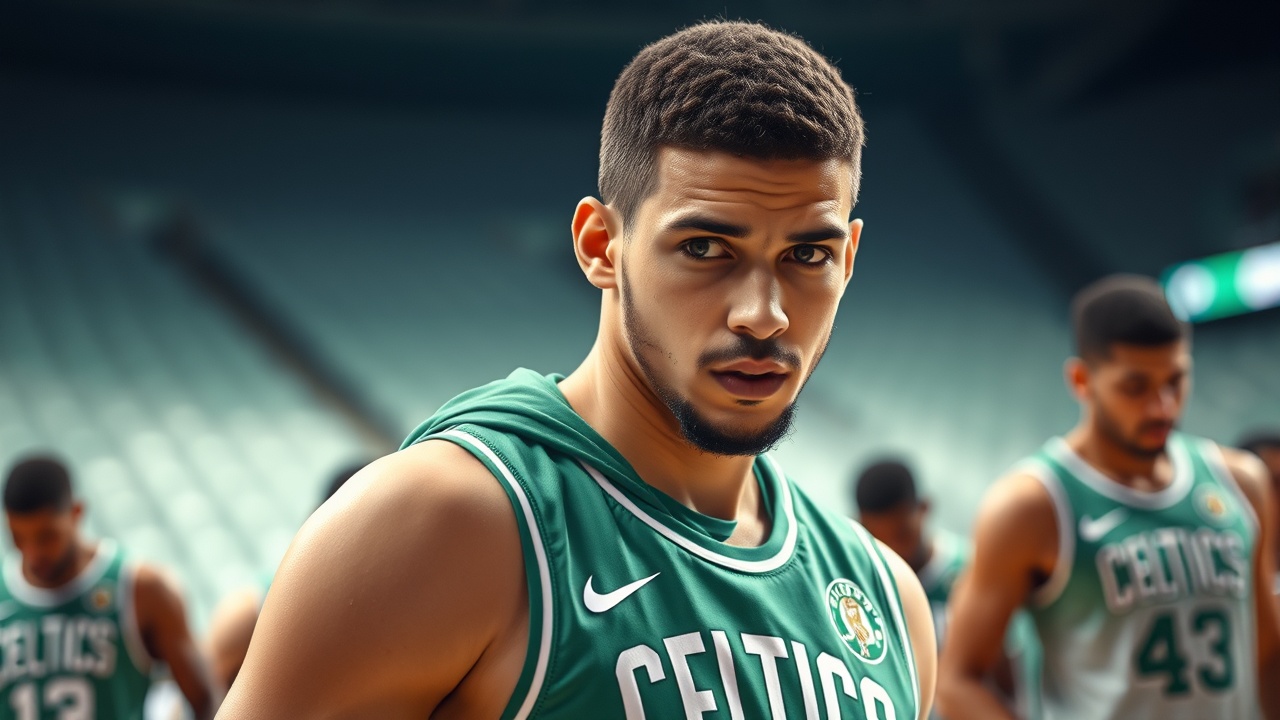
Jayson Tatum’s Potential Return
In Detroit on January 19, 2026, Jayson Tatum of the Boston Celtics was observed at Little Caesars Arena while facing off against the Detroit Pistons. The conversation among fans and analysts alike has been focused on his potential return from injury this season. Questions loom large: Will he return to the court? Should he? Is he risking his health? And how would his comeback influence the team’s dynamic, particularly with teammate Jaylen Brown emerging as a significant MVP contender this year?
Concerns and Speculations
Despite the buzz surrounding Tatum’s situation, it’s essential to recognize that these concerns may not hold substantial weight. Ultimately, the decision made by Tatum and the Celtics regarding his comeback will be the right one, eliminating the need for undue anxiety.
At the center of the debate are two core inquiries: first, whether Jayson Tatum will indeed return to play this season, and second, whether his return would even be beneficial. These discussions often lack a rational basis, given the absence of crucial medical insights regarding Tatum’s recovery from Achilles surgery. Speculation without concrete information does little to advance the conversation.
The Impact of Public Interest
The narrative surrounding Tatum’s health and decisions is further complicated by eager public interest and commercial motivations within the NBA. However, it is crucial for fans and commentators to acknowledge they lack medical expertise or insider knowledge on his recovery process. Unless one has direct access to Tatum’s medical team, any conjecture about the implications of his return is largely unfounded.
Team Dynamics and Performance
Transitioning into the implications of Tatum’s potential return: Many might argue that since the Celtics are currently thriving with their existing roster—especially with Brown’s remarkable contributions—disrupting this momentum with Tatum’s return could be risky. This reasoning, however, oversimplifies the situation. The idea that adding a player of Tatum’s caliber could jeopardize team chemistry is flawed and dismisses the undeniable value he would bring to the court.
The assumption that an elite player like Tatum could somehow detract from the team’s performance is misguided. Basketball teams thrive on the synergy of their rosters; Tatum’s inclusion would only enhance Boston’s prospects moving forward.
Conclusion
So why linger on this debate? Much of the public concern ties back to financial stakes, from betting odds to championship bets—factors that muddy the discourse with speculative conjecture rather than grounded analysis. In truth, if Tatum is ready to play, his presence is a boon for the Celtics, and any adverse scenarios we might assume about his impact are purely hypothetical at this stage. With current knowledge, any predictions about potential pitfalls remain nothing more than speculation. Hence, it remains important to focus on the rational and avoid conjecture in discussions surrounding Tatum’s status, solidly advocating that if he returns, it will undoubtedly benefit the franchise.