
Game 2 Highlights
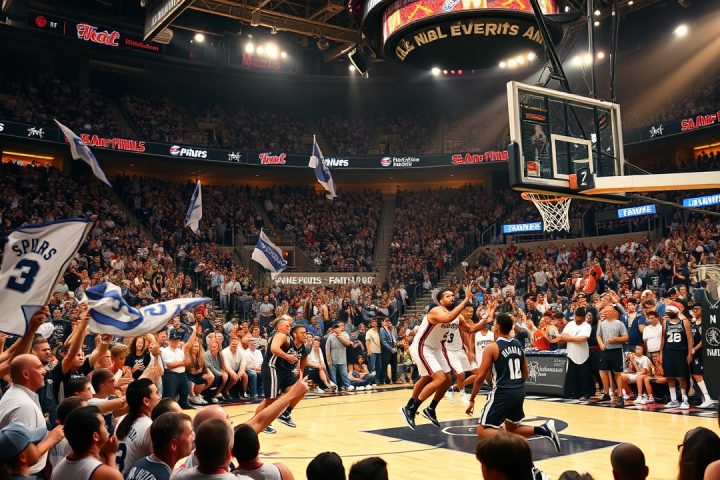
In San Antonio, a thrilling Game 2 took place as the Spurs hosted the Portland Trail Blazers, highlighting a clash between teams desperately vying for an advantage in the playoff series. The night was pivotal for the Trail Blazers, who faced the looming threat of diving into an 0-2 series deficit. Sparking their comeback, rookie Scoot Henderson delivered an impressive 31-point performance that underscored the significance of the match in his budding career. Meanwhile, the Spurs dealt with the unforeseen absence of Victor Wembanyama due to a concussion, adding to the tension on the court as both squads experienced fluctuating momentum with double-digit leads swapped back and forth.
Crucial Moments
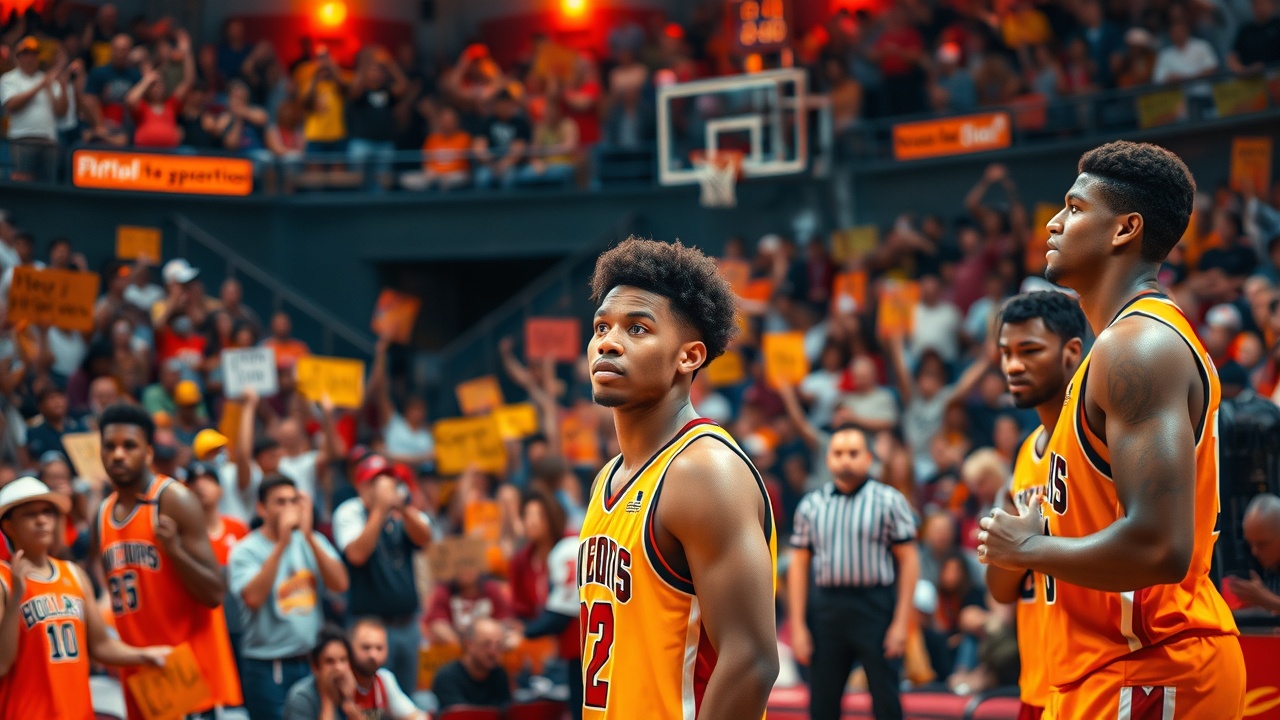
As the drama peaked, San Antonio found itself trailing by three points with just over eleven seconds remaining, leading to a critical moment when they attempted to execute a game-tying play involving standout 3-point shooter Devin Vassell. However, the urgency was interrupted by a foul from Portland’s guard Jrue Holiday, a tactic that shifted the game from high-stakes excitement into a point-at-a-time free throw battle. Ultimately, the Trail Blazers held on for a 106-103 victory, leveling the series but leaving fans disappointed by the anti-climactic end of an otherwise riveting matchup.
Fouling Strategies in the NBA
Notably, this utilization of late-game fouling strategies is becoming increasingly common in the NBA, a trend that both excites and frustrates analysts and fans alike. Tiago Splitter, the interim head coach of the Trail Blazers, has argued for such an approach, citing both analytics and his European basketball roots as influences. He believes there’s merit in intentionally fouling with time still on the clock, ideally starting the process with around 17 seconds left in the game. This debate takes center stage as Splitter’s Blazers led the league in intentionally fouling when ahead by three points this season, showcasing the conflicting philosophies among coaches in the league.
Effectiveness of Intentional Fouling
The fundamental question posed is whether the method of intentionally fouling while leading by three points is an effective strategy to secure a win, or if it sabotages the excitement of clutch moments in basketball games. Historically, this tactical maneuver has gained traction; in 2010, teams were reported to initiate fouls in only 11.5% of situations where they held a three-point lead late in games. Fast forward to recent seasons, and this figure has leapt to 34.2%, reflecting a dramatic shift in coaching philosophy regarding late-game scenarios.
Advocates, such as Oklahoma City Thunder’s coach Mark Daigneault, articulate a strong statistical rationale for fouling, suggesting that the likelihood of tying the game from a foul situation is lower than executing a high-pressure three-point shot without defensive pressure. Others, including Los Angeles Lakers coach JJ Redick, echo this sentiment, emphasizing the talent of current players and their shooting capabilities from beyond the arc, leading to the conclusion that allowing a clean shot is simply too risky.
Conversely, skeptics argue for a more traditional defensive strategy, advocating for patience and positioning over forced fouls until there are just a few seconds left. Coaches like Detroit Pistons’ JB Bickerstaff prefer to rely on their defense, while others like Philadelphia 76ers’ Nick Nurse downplay the efficacy of the foul strategy, pointing out that the change in win probability it offers is minimal.
Statistical Insights
A unique study of the tactic highlighted its actual impact and viability. By examining game data spanning the last five seasons, the statistics revealed a negligible distinction between outcomes from games where teams fouled up three (winning 92% of the time) versus those that opted for standard defense (winning 91.7%). Despite the longstanding wisdom favoring fouling, it appears that the difference may not justify the strategy due to the naturally favorable position of leading teams late in the game.
Challenges in executing effective fouls—particularly against skilled shooters who can draw fouls or create immediate scoring opportunities—compound the issue further. Observers note that teams employing the strategy risk losing games by inadvertently allowing quick three-point attempts from desperate offenses. Compounding the unpredictability, the rise of adept offensive rebounding during late-game free throw situations can also undermine the benefits of a tactical foul, leading to potential game ties or losses without even reaching overtime.
Conclusion
Despite the ongoing debate, many in the basketball community, including executive members, suggest that no overarching rules will change to fundamentally alter the strategy of fouling up three, likening it to the controversial intentional walk in baseball. While the debate rages on, the intersection of analytics and aesthetics continues to cast a shadow over this critical component of late-game strategy in the NBA, as teams navigate the line between winning and the spirit of the game.
Upcoming Games
- Tuesday, April 28
– 76ers-Celtics, Game 5: 7 p.m. ET (ESPN)
– Trail Blazers-Spurs, Game 5: 9:30 p.m. ET (ESPN) - Wednesday, April 29
– Rockets-Lakers, Game 5: 10 p.m. ET (ESPN) - Thursday, April 30
– Knicks-Hawks, Game 5: TBD (ESPN)