
NHL Scouting Combine Overview
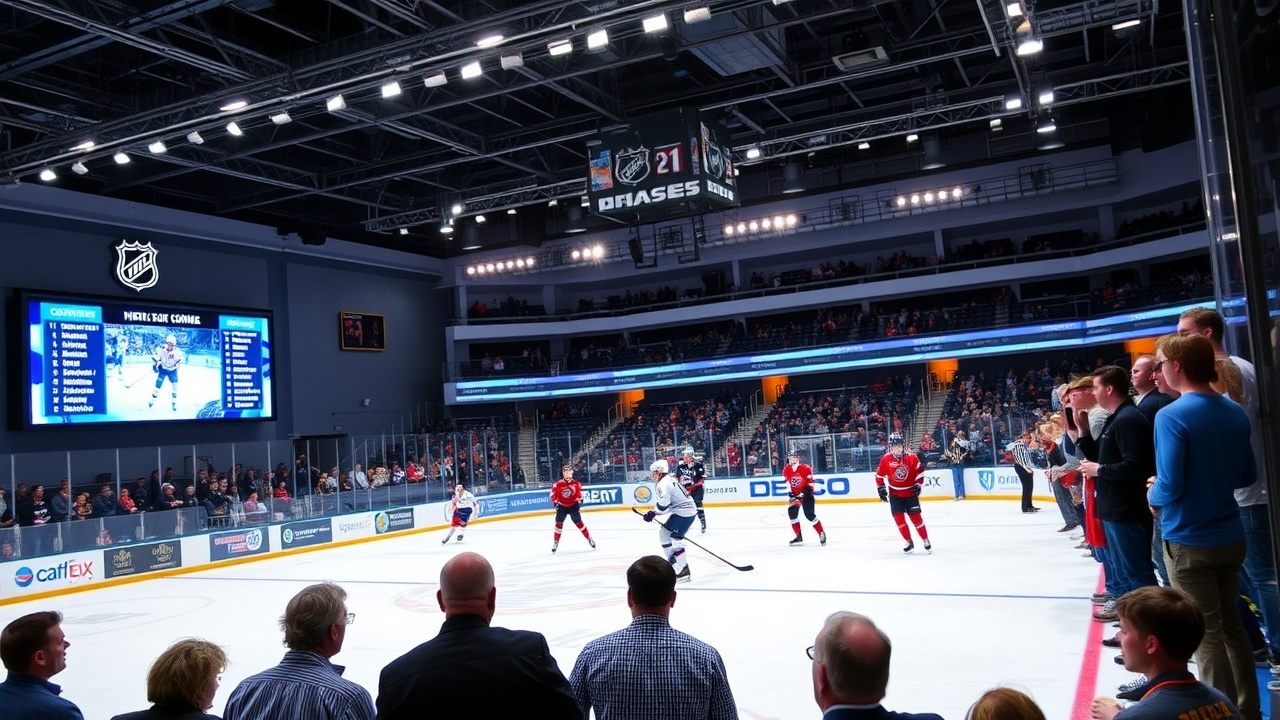
The NHL scouting combine, held in Buffalo, N.Y., serves as both an exciting and nerve-wracking milestone for young hockey prospects gearing up for the upcoming NHL draft on June 26 and 27. This yearly event provides an invaluable opportunity for teams to gain insights into the skills, personalities, and fitness levels of aspiring players, while the prospects, in turn, face a series of challenges that test both their athletic capabilities and mental fortitude.
Experiences and Evaluations
Throughout the weeklong showcase, potential draftees experienced a mix of enjoyable moments, such as dining in upscale restaurants and mingling with fellow athletes, alongside daunting tasks, like the notoriously grueling Wingate testing. This unique environment allows scouts, agents, and team executives to immerse themselves in brainstorming sessions about emerging talents and discuss strategies leading up to the draft and the start of free agency on July 1.
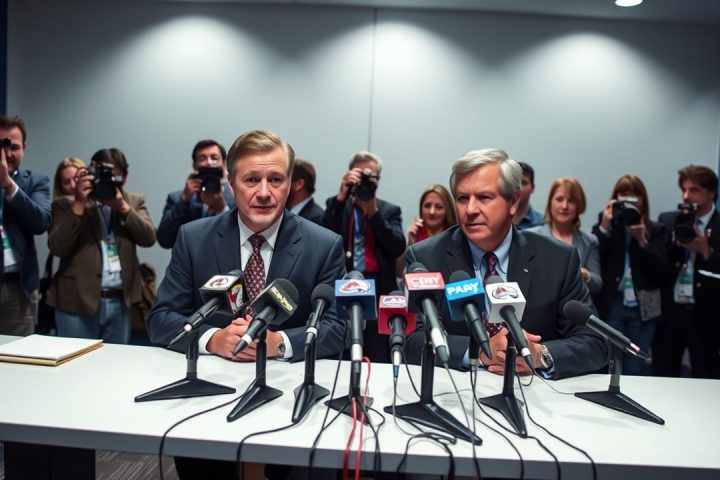
Scouting personnel often arrive with extensive knowledge of players’ on-ice performances before the event even begins. What’s crucial during the combine is how the players can convey their off-ice personalities and adaptability, which cannot be gleaned from game footage alone. For instance, the Montreal Canadiens posed an unusual hypothetical scenario to prospects—asking them how they would navigate a life-or-death situation in the Sahara Desert.
Goalie Tobias Trejbal’s humorous yet bold response—choosing survival over empathy—encapsulates the competitive mindset that teams look for under pressure.
Traditional Metrics and Character Evaluations
In addition to these quirky assessment methods, teams approached traditional evaluation metrics. Pittsburgh Penguins GM Kyle Dubas engaged players by analyzing their game footage and discussing their decision-making processes to better understand a player’s cognitive approach to hockey.
Meanwhile, dining events served as pivotal character evaluations, allowing team executives to observe how players interact in a more relaxed atmosphere. Notable invitee Viggo Bjorck, a Swedish center rising in draft rankings, enjoyed meals with multiple teams, further solidifying his potential status as a leading center following a strong showing in international play.
Draft Sentiment and Veteran Players
The sentiment at this year’s combine was that some elements of the draft experience have lost their luster, particularly concerning the decentralized format that has players and team personnel spread across various locations. Many express a desire to return to a centralized draft environment, where the shared experience fosters camaraderie and excitement.
As discussions swirled around prospects, the spotlight also turned to veteran players like Alex Tuch of the Buffalo Sabres, whose contract negotiations with the team are contentious. Tuch is facing the prospect of free agency and is expected to enter the market if the Sabres do not meet his pay demands. His situation became even more poignant amid the news of Dylan Larkin requesting a trade from the Detroit Red Wings, raising questions about how players navigate their careers and contracts in a rapidly evolving league.
Rising Stars and Future Prospects
On the younger side, players like Gavin McKenna and Mathis Preston shone in their physical evaluations, raising their draft stock substantially. McKenna, in particular, demonstrated remarkable agility and skill during testing, fortifying expectations that he could be the first overall pick.
As the combine wrapped up, various teams began strategizing and refining their lists for the impending draft, weighing their options based on player performances and interviews. The focus shifting toward potential first-round selections reflects the uncertainty and excitement that characterized this year’s scouting combine, setting a thrilling stage for the upcoming draft and upcoming changes in the NHL landscape.