
Indiana University’s Athletic Transformation
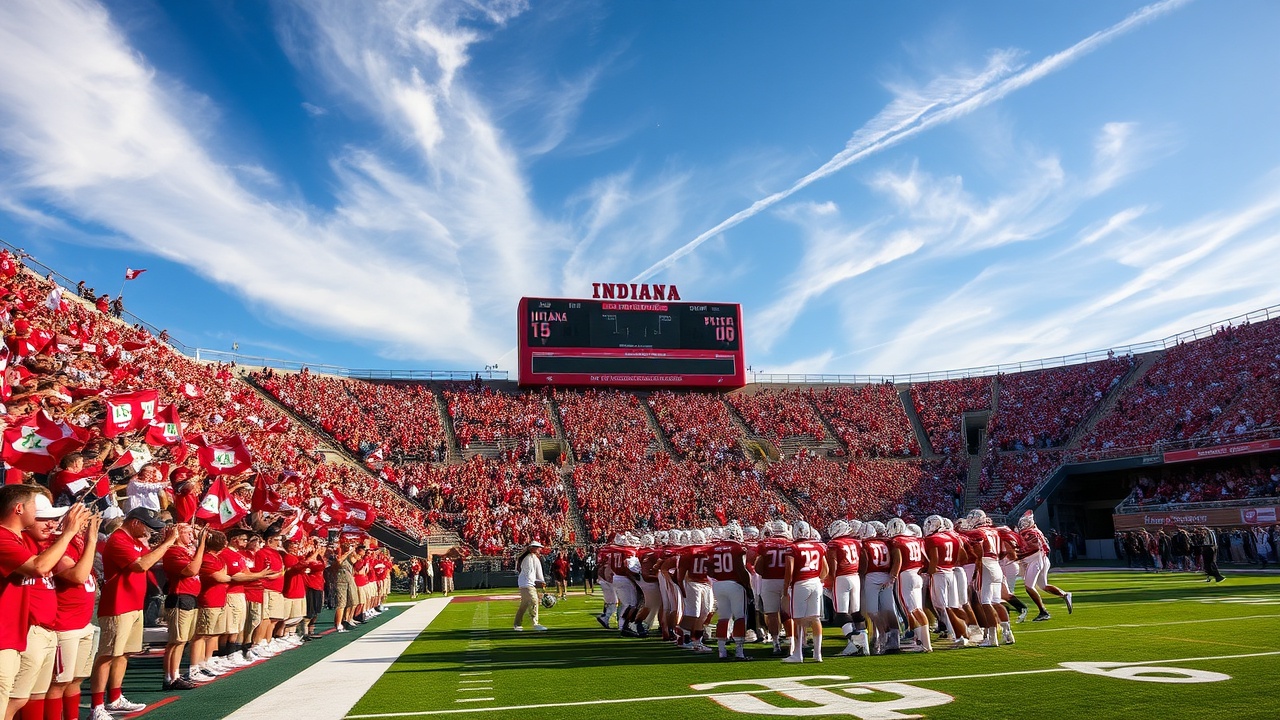
In recent years, Indiana University has unequivocally shifted its identity from a storied basketball powerhouse to a burgeoning football program. The transformation is highlighted by the rapid sellout of season tickets for IU football, contrasting sharply with the men’s basketball team’s disheartening six consecutive losses to Northwestern and a concerning dip in attendance at the iconic Assembly Hall.
Shifting Fan Allegiances
The past two decades have seen a generation of Indiana fans more closely associated with triumphs on the football field than the basketball court. While basketball once dominated the university’s sports narrative, the lack of consistent success in the sport—especially for fans who have grown up during this period—has been striking. Football, despite its historically burdensome record, now appears to be achieving more than basketball, especially after the football team clinched this year’s national championship, reversing its previous designation as the most defeated program in FBS history.
Basketball’s Ongoing Struggles
A troubling trend for basketball persists: if the current season ends without a spot in the 2026 NCAA tournament, it would be the eighth time Indiana has missed March Madness in the last decade, quite astounding given the expanded NCAA bracket. The Hoosiers’ basketball program hasn’t tasted an Elite Eight appearance since 2002 when they fell short in the national championship after a memorable victory over top-seeded Duke.
This lengthy absence from the upper echelons of college basketball is stark, especially when considering that over sixty other teams have reached at least one Elite Eight since Indiana last did. The school has cycled through six head coaches since Bob Knight’s tenure, desperately seeking to reclaim the glory that Knight built during his years in Bloomington, a period marked by an impressive .731 winning percentage and multiple Big Ten titles.
Coaching Challenges
In contrast, his successors have struggled to maintain that success, with a cumulative win rate of .581 across 26 seasons. Tom Crean, for example, made significant strides but ultimately crumbled during critical moments in tournaments. Meanwhile, the expectations set by fans and stakeholders contributed to the downfall of Archie Miller, whose short-lived era ended without significant accolades.
The Future of Indiana Basketball
As Indiana eyes their next potential savior in Darian DeVries, who is at the helm amid growing concerns, the weight of the history and mounting expectations loom large. Recent comments by IndyStar’s Zach Osterman highlight the urgency for DeVries, who recognizes the need to redefine cultural norms in a basketball program that has faltered in a time when success should be more accessible.
With basketball being as well-funded and resourced as ever, the shifting interest among fans toward football could also have financial ramifications, directing much-needed support away from the basketball program. As the Indiana community has rallied behind the gridiron exploits, the survival and revitalization of Hoosiers basketball may require deeper introspection and significant change.
Conclusion
Ultimately, while Indiana’s dual spirit in athletics continues to wrestle with tradition and modernity, the fanbase watches anxiously as their once-illustrious basketball program struggles to reclaim its former stature amid a rising tide of football enthusiasm.