
Cooper Flagg: A Rising Star
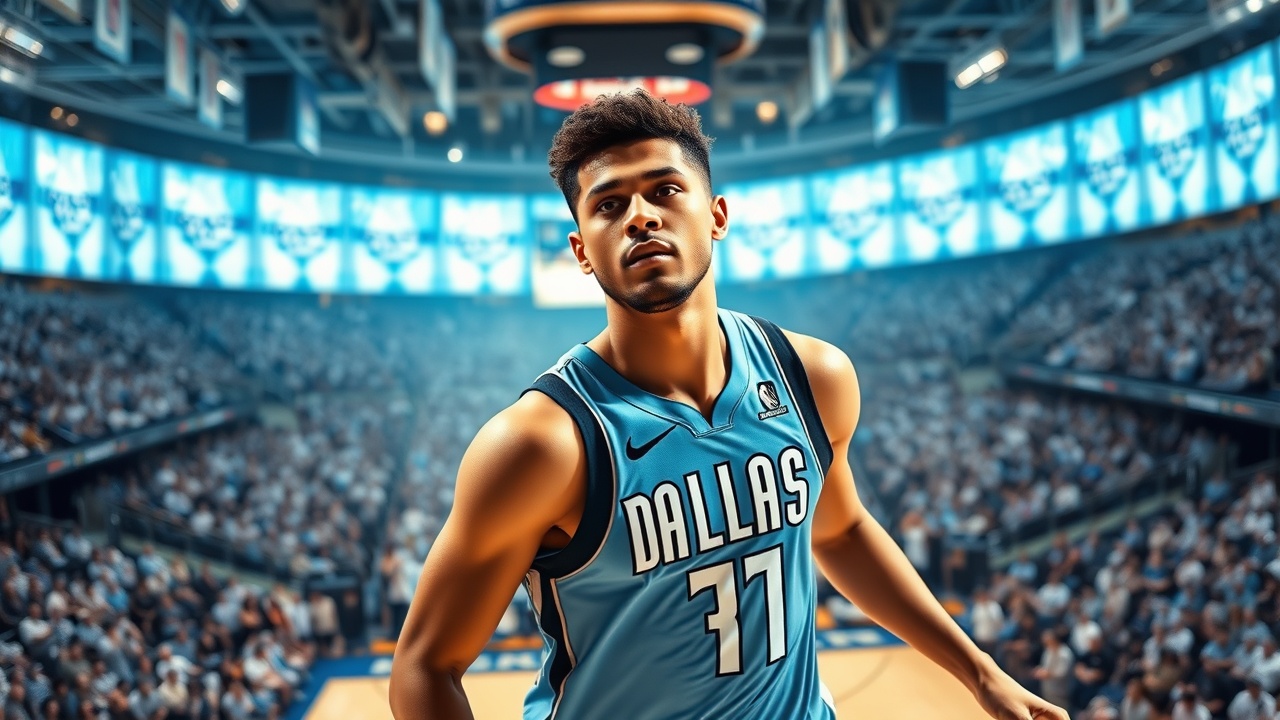
Cooper Flagg is solidifying his status as one of the league’s breakout talents. The 6-foot-9 forward, who was selected first overall in the last NBA Draft, has risen to the occasion and exceeded expectations, prompting the Dallas Mavericks to reconsider their roster mentality. It’s clear that Dallas should now prioritize building their team around Flagg’s unique skill set.
Shifting Focus from Aging Veterans
Historically, the Mavericks have leaned on a trio of veteran players: Anthony Davis, Kyrie Irving, and Klay Thompson. However, the belief that an aging roster can clinch a championship may be misguided. While experience is valuable, Davis is managing an ACL injury, Irving frequently finds himself sidelined, and Thompson’s performance has steeply declined, making it hard to justify relying on this core group.
With Flagg showing promise on the court, the Mavericks should shift their focus away from their aging stars. Continuing to rely on this trio would not only waste valuable time but could also hinder the team’s potential. Transitioning from these veterans won’t be straightforward. Despite Irving’s ability to contribute as a veteran combo guard, his market value is questionable given his injuries and impending 34th birthday.
Thompson’s value is similarly lacking, as he approaches 36 and struggles to impact games effectively, averaging just 11.7 points. Despite having a manageable salary of $16.6 million this season and $17.4 million next season, concerns about his defensive capabilities make him less appealing in trade discussions. Davis, once a powerhouse, is now regarded as old, injury-prone, and costly—traits that don’t entice potential trade partners.
Strategic Moves for the Future
Nevertheless, Dallas shouldn’t shy away from pursuing trades for these players, even with uncertain returns. If a team offers expiring contracts for Davis, the Mavericks should definitely consider it to reset for the future. Similarly, they should explore options to move Irving and Thompson without taking on long-term commitments. If they receive offers focused on expiring deals or young assets, they should take a closer look.
Looking ahead, the Mavericks must regain their flexibility to assemble a new supporting cast suited to Flagg’s strengths. Whether they aim to enhance their shooting or fortify their defense, decisions must center around Flagg’s development. Identifying a reliable co-star for Flagg is essential and would likely require trades, especially given the current landscape of free agency which is lacking in elite talent.
Furthermore, the Mavericks need to be strategic regarding their upcoming draft picks, particularly with their 2026 first-rounder. This draft class is projected to be strong, and Dallas must leverage their chance to secure new talent that aligns with Flagg’s career trajectory. Focusing on building for the future is imperative, as continued reliance on the current aging roster could derail their potential growth.
Conclusion
In summary, the time has come for the Mavericks to abandon loyalty to their older players. A successful future hinges on capitalizing on Flagg’s emerging stardom and making calculated roster moves that reflect this new direction.