
Super Bowl 49: A Defining Moment
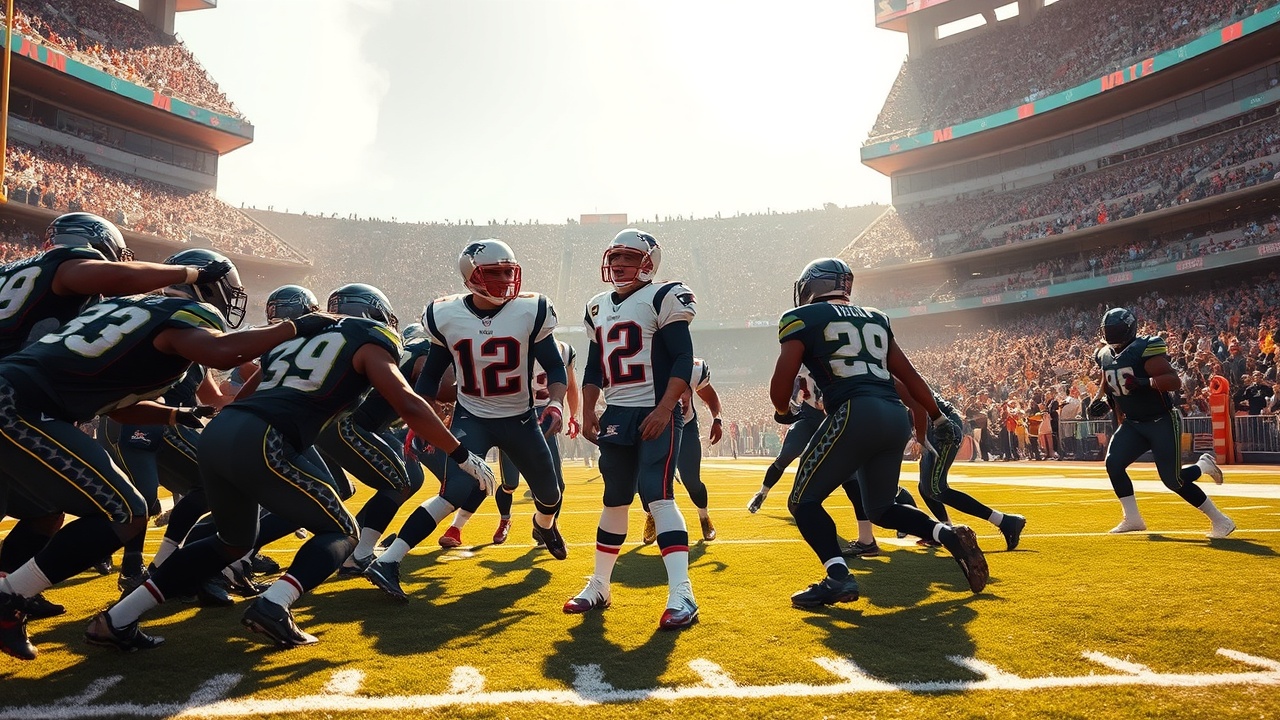
In a tense moment during Super Bowl 49, the Seattle Seahawks sat just a yard away from victory, facing the New England Patriots with only 26 seconds remaining on the clock. They trailed by four points, and the hopes of capturing their second consecutive Lombardi Trophy rested heavily on their next decision. Marshawn Lynch was in the backfield, fresh from a powerful run that brought the team to the Patriots’ one-yard line after a miraculous catch by Jermaine Kearse.
The Critical Call
Former Patriots cornerback Malcolm Butler recounted how he felt after Lynch’s impressive run, stating, “I thought the game was over. Even with a great defensive play on my part, I felt responsible for the outcome because we were about to lose.”
With Tom Brady on the sideline, the tension was palpable as Seattle prepared to strike. As the clock ticked down, Seahawks coach Pete Carroll made a critical call that would haunt him: instead of handing the ball to the famously resilient Lynch, Wilson was directed to execute a pass play to Ricardo Lockette.
The Interception
Butler, undersized and undrafted from West Alabama, was thrown into the spotlight on this pivotal second-and-goal play, thinking he might get a shot at heroism. Butler approached the moment strategically, curious about his assignment and ready to react. He anticipated Lockette’s movements and managed to position himself for the interception, snatching Wilson’s pass out of the air.
This remarkable play not only sealed the victory for the Patriots but also etched Butler’s name into NFL history, marking his first career interception as one of the most unforgettable moments in Super Bowl lore.
Reactions and Reflections
Cris Collinsworth, who provided commentary during the game, reflected on the shocking play call that led to Butler’s interception. He admitted he was left speechless: “You have Marshawn Lynch, a player who’s nearly unstoppable in such situations. I couldn’t believe they chose to pass instead of run.”
The confusion spread beyond the broadcast booth, with many analysts and fans criticizing the decision as perhaps one of the worst in NFL history. Emmitt Smith and Dwight Clark both expressed disbelief over the choice made by Carroll, with Smith labeling it the worst call ever.
Aftermath and Legacy
Carroll later defended his decision, reasoning that attempting to run against a stacked defense might not have worked out and that the pass attempt was meant to conserve time. However, he took full responsibility, stating, “The call was mine. No one else is to blame.” After the loss, quarterback Russell Wilson echoed the sentiment, holding himself accountable for the crucial interception.
Butler’s victory, surprising to many, concluded not just a game, but a chapter in NFL history that would be discussed for years to come, especially as the Patriots and Seahawks gear up to face each other once again in Super Bowl 60 this Sunday.
As the matchup approaches, the shadows of Super Bowl 49 remain vivid in the memories of both teams and their fans, a reminder of how a single play can change the course of destiny and herald unexpected heroes in the annals of sports history.