
Unraveling the Conspiracy Theory
In the realm of college football, particularly within the Southeastern Conference (SEC), a long-standing conspiracy theory surrounding SEC Commissioner Greg Sankey has begun to unravel. The theory posited that Sankey, originally from New York, favored the Alabama Crimson Tide, with allegations of him being a “homer” for the team. This notion, fueled by comments from political strategist and LSU alumnus James Carville, suggested a covert alliance between Sankey and Alabama, despite lacking substantial evidence. Recent developments, however, challenge this narrative.
Recent Developments
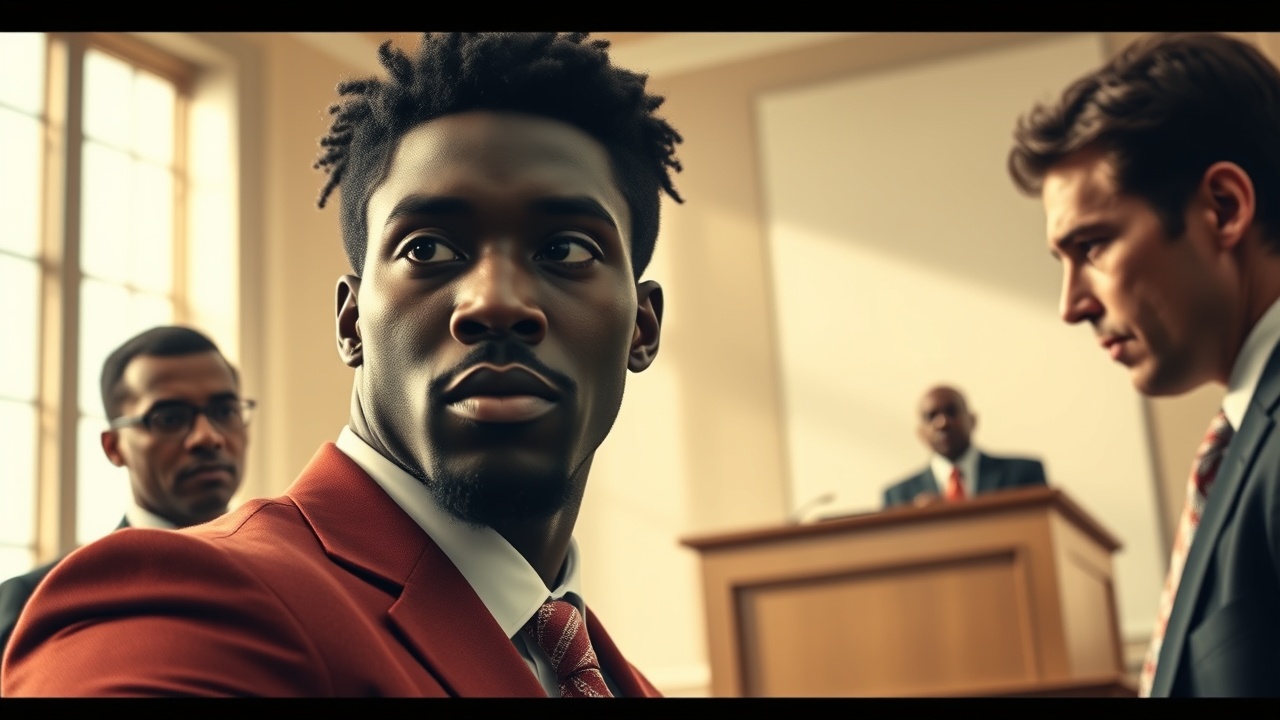
Sankey’s recent actions have shifted perceptions about his alleged bias toward Alabama. In a notable turn, he filed an affidavit supporting the NCAA in a legal case concerning Alabama player Charles Bediako—this came as the Tide sought to have Bediako participate in the season despite his previously playing professionally, which would violate NCAA rules. Just days after Sankey aligned with the NCAA, an Alabama judge ruled against Bediako, stating that he had not demonstrated he would face “irreparable harm” if the ruling did not favor him.
Judge Daniel Pruet’s ruling reinforced that NCAA regulations prohibit a student-athlete from leaving college for professional play and then returning—an important consideration in Bediako’s legal push.
The implications of this ruling are considerable, as they halted Bediako’s involvement with the team just after he had made a significant impact in a rivalry game against Auburn.
Shifting Perspectives
Critics of Sankey might have anticipated his siding with Alabama in the past, especially given the Tide’s dominance in college football under Coach Nick Saban. Sankey’s public appeals for Alabama’s inclusion in the College Football Playoff, for instance, were heavily scrutinized. Yet, these actions arguably were more about protecting the SEC’s overall interests than any favoritism toward Alabama.
As he stated in his affidavit, allowing former professional players to re-enter collegiate competition could lead to imbalances and inequities among current student-athletes.
“Permitting former professional athletes to return to (college) competition creates a competitive disadvantage and fundamental unfairness for current student-athletes,”
he argued. This perspective speaks to Sankey’s deeper commitment to preserving the integrity of college athletics rather than an allegiance to any specific team.
Conclusion
As the debate continues around the dynamics of amateurism and what it means to be a student-athlete, Sankey’s actions suggest that he prioritizes adherence to established regulations over any supposed biases. It appears that rather than being an Alabama honoree, he is indeed an advocate for the SEC as a whole, further solidifying the notion that conspiracy theories often lack merit in the face of real decisions and rulings in the world of college sports.