
Frances Tiafoe’s Heartbreaking Exit at the French Open
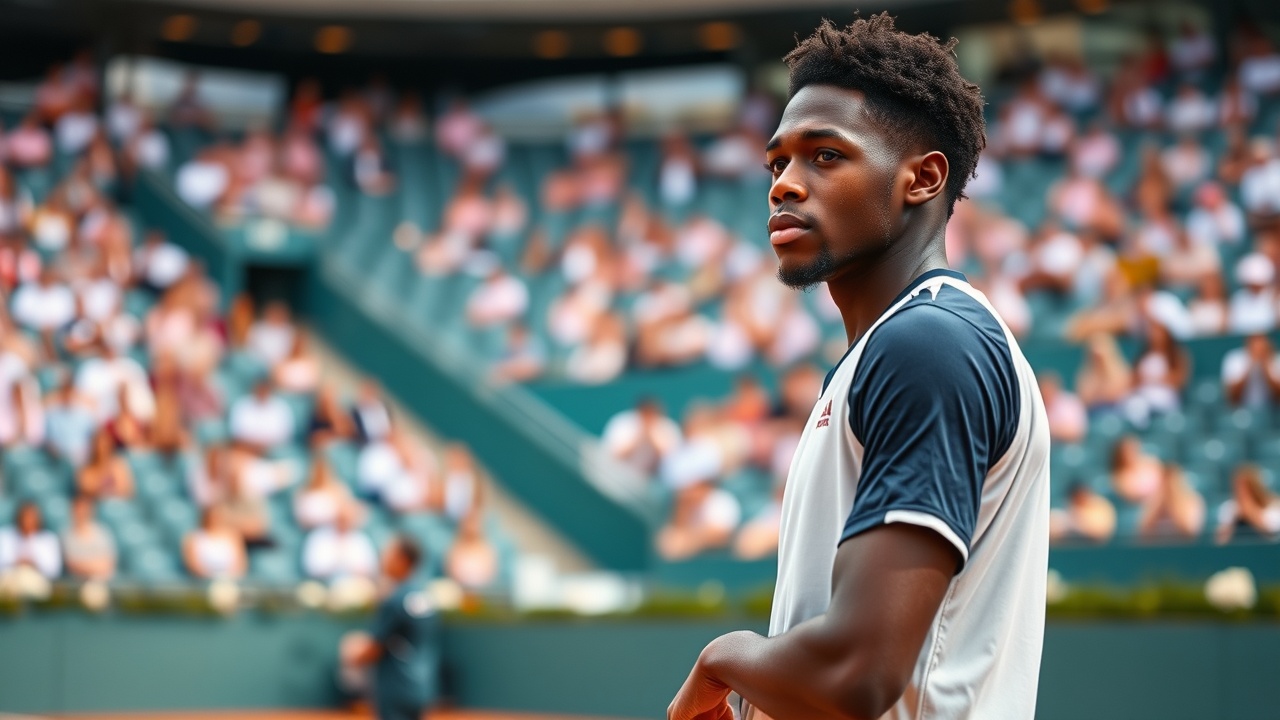
PARIS — Frances Tiafoe’s journey at the French Open came to a heartbreaking conclusion on Monday night, as he succumbed to a grueling five-set match against Italy’s Matteo Arnaldi. Tiafoe held what seemed to be a commanding position, leading two sets to none and 4-1 in the third set. However, after nearly 5.5 hours on the court, he was unable to maintain his advantage, resulting in a devastating defeat that will likely magnify his frustrations and disappointment over the missed opportunity to advance to consecutive quarterfinals at Roland Garros.
Post-Match Reflections
Typically open and engaging with the media, Tiafoe opted out of the customary post-match press conference after his late-night match concluded around 1 a.m. The physical toll and mental strain of letting such a significant lead slip will take time for him to come to grips with. Once the sting of defeat lessens, he might reflect on the significant strides he has made over the past year.
Andy Roddick, the last American male to clinch a Grand Slam title in 2003, expressed his sympathies on his “Served” podcast, stating, “It will be tough for Frances to see the positives right now. However, it’s vital to remember that he didn’t possess this level of fitness a year ago. He is now ready for these opportunities.”
Growth and Commitment
Tiafoe, a once-promising star known for his raw talent, has previously reached the semifinals at the US Open but has faced criticism for potentially underutilizing his natural abilities and failing to fully harness his potential. Following a disappointing early exit in the 2025 US Open, those close to him delivered some hard truths, motivating him to alter his approach. Responding to this feedback, Tiafoe enlisted the help of Mark Kovacs, an authority in performance physiology and biomechanics who has known him since Tiafoe’s youth at the USTA.
Under Kovacs’s guidance, Tiafoe underwent significant changes in both his physical fitness and mental approach. After defeating Hubert Hurkacz in a previous round, he attributed much of his improvement to Kovacs’s influence, remarking on the necessity of discipline and a committed attitude toward his training regimen.
“We’ve had a lot of real conversations about what I want to achieve and the necessity of not just relying on my talent,” Tiafoe shared. “It’s about using the natural gifts I have as a tool to work harder and enhance my game. Success isn’t about moments of focus; it requires consistent effort and dedication.”
Endurance and Future Potential
Lindsay Davenport, a former women’s world No. 1, who has also brought Kovacs on board to assist her son Jagger in his burgeoning tennis career, recognized Tiafoe’s commitment. “I know this was a significant step for him, and he’s shown total dedication,” she remarked, echoing sentiments about the growth Tiafoe has shown in recent times.
Throughout the tournament, Tiafoe endured punishing matches, including a first-round encounter lasting under three hours, followed by almost four hours in Round 2 and slightly less in Round 3. Facing Arnaldi for 5 hours and 26 minutes meant he spent close to 17 hours playing in just four matches—a testament to his conditioning improvements.
John McEnroe, another former world No. 1, commended Tiafoe for his newfound commitment to fitness, indicating that these changes are evidently reaping rewards in his performance. With prominent players like Carlos Alcaraz out due to injury and others faltering, Tiafoe faced a prime opportunity to advance. Although he was unable to capitalize on his dominant position against Arnaldi, the lessons learned and sacrifices made since his partnership with Kovacs suggest a future filled with potential achievements in Tiafoe’s career.