
Introduction to the New Season
As Formula 1 gears up for an exciting new season with the Australian Grand Prix just around the corner, the introduction of updated regulations is set to shift the dynamics of racing in unforeseen ways. Notably, the leading drivers, Max Verstappen and Lewis Hamilton, have shared their critical insights following the preseason tests of cars designed under these evolving rules. Both champions have expressed concerns over the impact of new hybrid systems that demand distinctive driving techniques and inject additional layers of strategy into the races.
Driver Insights
Max Verstappen, the four-time world champion, lamented that the car’s new configuration lacks enjoyment and hinted that it might influence his future in the sport. Meanwhile, Hamilton, who has clinched the title seven times, believes the complexity of the rules may alienate fans who struggle to comprehend the intricacies involved.
“It’s essential to remain composed since new regulations can create uncertainty, leading critics to question if the system is fundamentally flawed,” remarked Stefano Domenicali, the chief executive of F1, during the recent testing phase.
Performance of Top Teams
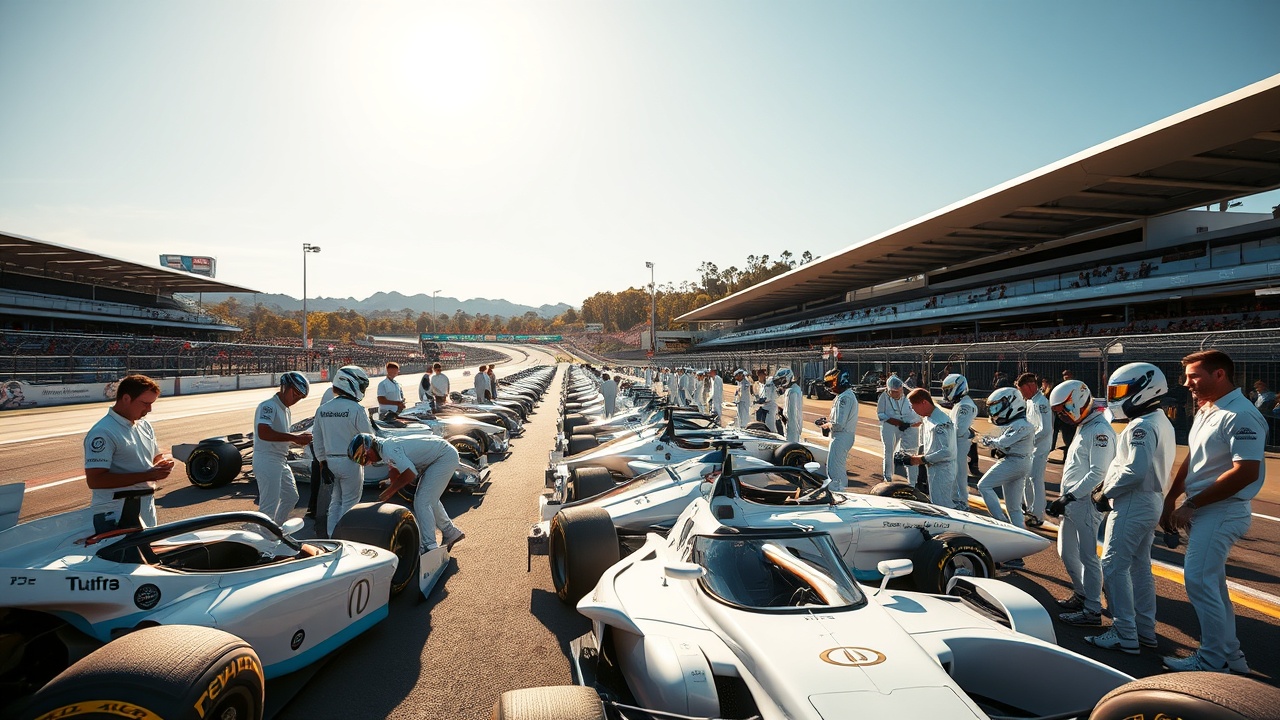
Despite the significant regulatory changes, the top-tier teams—Mercedes, Ferrari, McLaren, and Red Bull—appear to maintain their competitive edge, having shown promising performance in testing. Dubbed the “big four” by McLaren’s chief Zak Brown, these teams exhibited a general speed parity, with Mercedes and Ferrari seeming to hold a slight advantage during race simulations.
Ferrari showcased some intriguing innovations, including a rear wing engineered to flip for enhanced straight-line performance and a clever mini-wing positioned near the exhaust. They also excelled in practice starts, eclipsing other teams, particularly Mercedes, which struggled to launch effectively off the starting grid.
Red Bull, recognized for its expertise in managing electrical power systems, continues to be a formidable competitor. Lando Norris and Oscar Piastri from McLaren displayed consistent strength, with their team utilizing a Mercedes power unit. Meanwhile, anticipation builds around George Russell of Mercedes, who could emerge as a strong title contender, given the potential balance of speed and dependability from Mercedes’ newly tested engine design amidst lingering doubts about its legality, which the team firmly denies.
Challenges and Changes
Notably, some teams, such as Aston Martin, opted to forgo significant improvements during the 2025 season in hopes of stepping up for 2026. However, this gamble has not paid off, as they encountered delays and performance issues on the track, often falling behind newcomers like Cadillac. Other teams, including Williams and Alpine, have faced their shares of difficulties, though Haas has shown potential to compete with the established leaders.
The ongoing evolution within the sport also underscores the aim by the FIA for a balanced distribution between engine power and electric hybrid technology, which fundamentally alters how drivers approach racing in 2026. This adjustment requires a nuanced strategy, as drivers often throttle back on the straights to charge their onboard batteries, forcing them to adopt an aggressive downshift into corners to maintain pace. Complications surrounding standing starts arose during testing, as the hybrid system only engages after reaching 50 kph (31 mph), prompting revisions in starting procedures. Nonetheless, Ferrari has been quick to adapt, optimizing their engine for faster launches.
Looking Ahead
As teams prepare for the challenge ahead, the efficacy of new overtaking modes may rely heavily on how well drivers can generate energy during races. The Australian track presents unique challenges, particularly due to its fewer heavy braking areas that hinder battery recharging and may complicate overtaking efforts.
In another notable expansion, Cadillac joins the grid as the 11th team alongside established competitors like Sergio Pérez and Valtteri Bottas, entering a year of learning and gradual improvement despite a lackluster preseason. Meanwhile, Sauber‘s recent transition into Audi, alongside the launch of the newly constructed Madring street circuit for the Spanish Grand Prix, marks a significant shift in the competition’s landscape. Additionally, Apple takes over the broadcasting rights for the U.S. audience as ESPN‘s contract conclusion highlights a new era in F1’s media landscape.
Prepare for an intriguing season as this new chapter in Formula 1 unfolds, blending revolutionary driving demands with the relentless pursuit of victory among the sport’s elite.