

Formula 1’s New Chapter
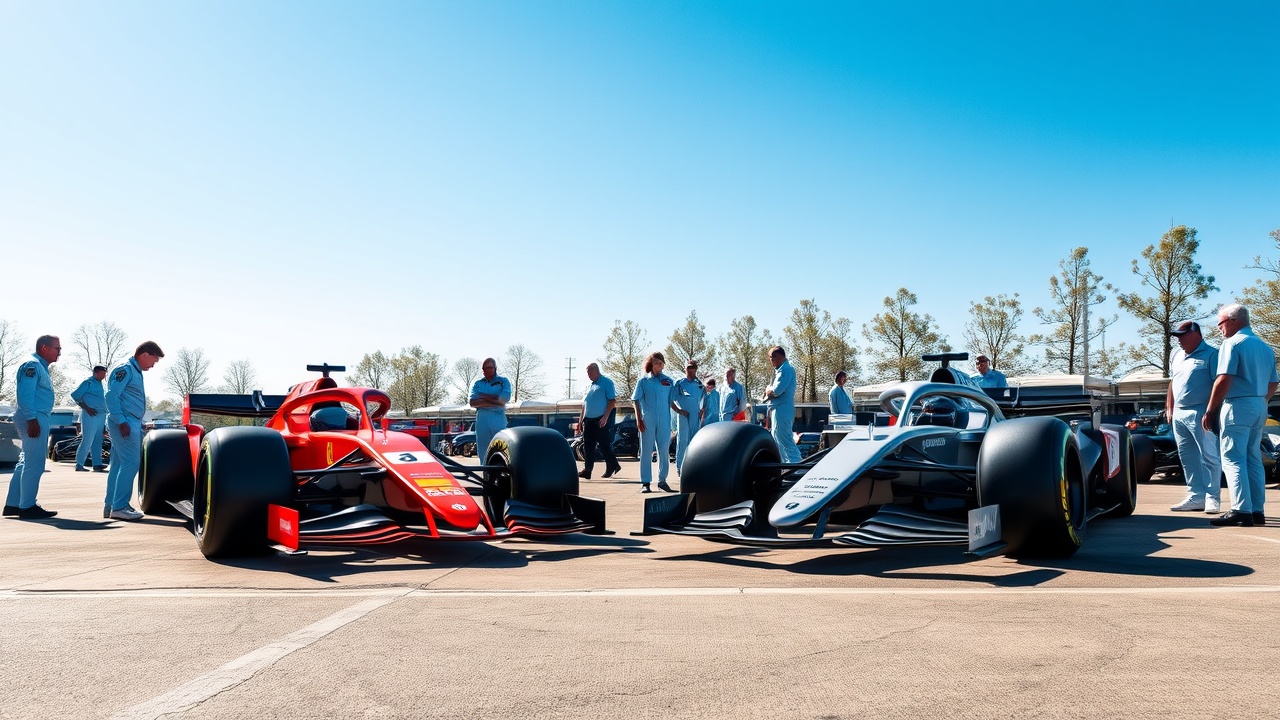
Formula 1 is embarking on a new chapter as it conducts private testing for its latest vehicles in Spain, starting Monday. Unlike last year’s grand event in London that attracted 16,000 fans and prominent celebrities, this year’s testing will occur behind closed doors, with no spectators or media presence. This initiative introduces an 11th team, as Cadillac makes its entrance into the Formula 1 arena, although only ten teams will be participating in Spain since Williams is facing logistical difficulties in preparing its car. Notably, there will be no live broadcast of the testing events, except for some brief footage from F1’s own channels, making it challenging to ascertain which teams may be leading the pack as they adapt to new regulations.
Barcelona Shakedown
The event has been labeled as a “private test” but has recently been rebranded as the “Barcelona Shakedown.” This term typically describes short-range tests aimed at assessing basic vehicle reliability rather than comprehensive testing sessions like the one taking place in Spain. This shift in terminology hints at apprehensions surrounding the reliability of innovative designs that teams are rolling out. The upcoming testing in Bahrain — which has favorable weather and an established tradition for preseason sessions — is anticipated to attract greater attention due to the availability of live coverage with cars clocking timed laps.
Team Preparations and Challenges
While teams such as Ferrari have taken advantage of promotional allowances to showcase their 2026 models, they are expected to incorporate significant updates ahead of the opening race in Australia set for March. Defending champions McLaren have indicated their testing vehicle will closely resemble its racing version, yet they decided to defer participation in the initial day’s tests for thorough car development, according to team principal Andrea Stella.
The testing permits teams to take to the track on three out of five days, which enables them to address potential issues without sacrificing valuable preparation time. This structure means McLaren’s slower start shouldn’t impede their progress. Nevertheless, with entirely new engines and battery systems, as well as the introduction of smaller, lighter vehicles, reliability remains a central focus, an issue particularly relevant given the drastic changes in regulations.
Historical Context and Future Outlook
Reflecting on the past, a similar scenario unfolded during the initial preseason tests of 2014, where teams struggled to adapt to the new turbocharged hybrid engine regulations. The uncertainty of new technologies led to frequent breakdowns, including a setback for Lewis Hamilton, who crashed his Mercedes into a gravel pit. Despite the early season troubles, Hamilton ultimately emerged as the champion that year. Fast forward to today, and the landscape of Formula 1 has evolved significantly, particularly with the impact of the Netflix series “Drive to Survive,” which has brought in a wave of viewers accustomed to dynamic content and behind-the-scenes access.
As teams enter this crucial testing phase, the outcome will set the tone for the upcoming racing season, where reliability, speed, and innovative designs will be pivotal.