

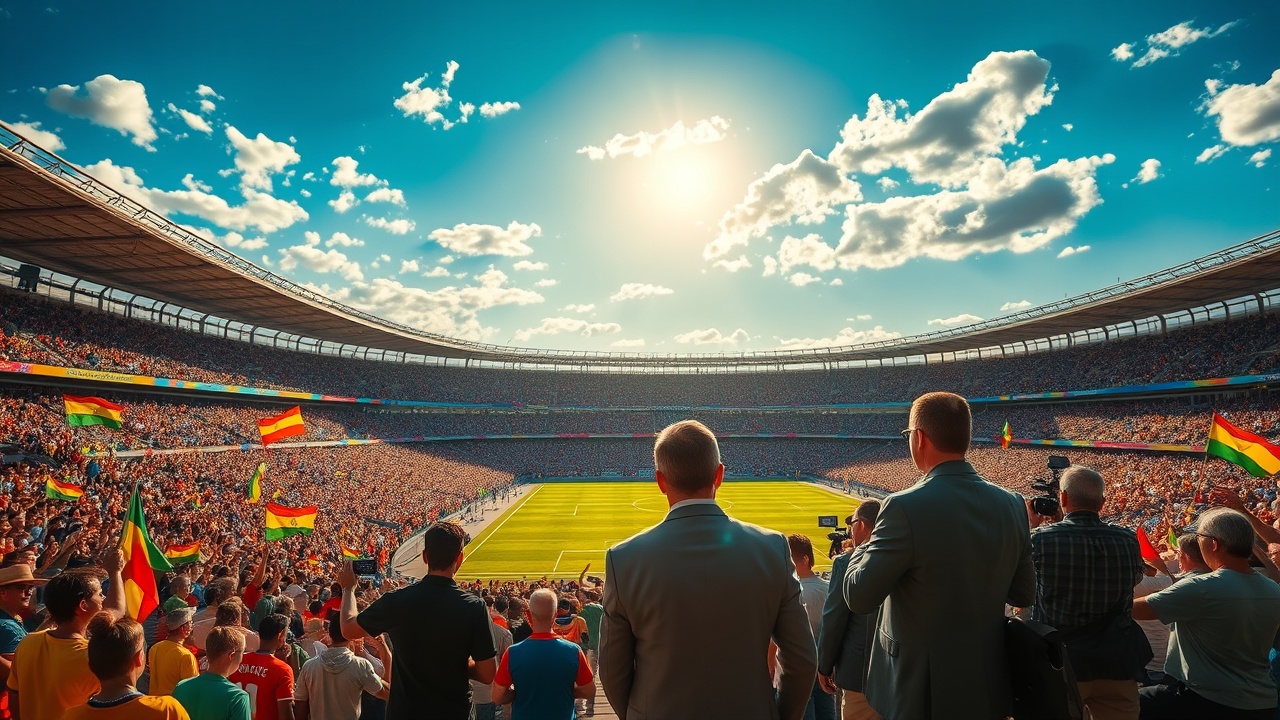
FIFA World Cup Amidst International Tensions
In light of the ongoing tensions surrounding the conflict involving the U.S., Israel, and Iran, FIFA’s World Cup chief operating officer, Heimo Schirgi, firmly stated that the upcoming tournament is “too significant” to delay. Speaking from the International Broadcast Center, Schirgi emphasized that FIFA is not only aware of the situation but is actively monitoring developments. The expanded World Cup, featuring 48 teams, is set to commence on June 11, with venues spread across the U.S., Mexico, and Canada.
Monitoring International Relations
Schirgi acknowledged the fluid nature of international relations, remarking,
“If I had a crystal ball, I could tell you what will happen next, but the situation changes daily.”
He reassured the public that discussions with federal and international partners are ongoing to evaluate the implications of the situation on the tournament. Despite the complexities, he expressed confidence that the World Cup would proceed as planned, emphasizing the importance of the event for qualified nations.
Expansion and Participation Challenges
This World Cup marks a notable expansion from the traditional 32-team format, with matches slated at 11 locations across the U.S., alongside three in Mexico and two in Canada. The Trump administration has imposed travel restrictions affecting teams from four countries — Iran, Ivory Coast, Haiti, and Senegal — although players and their immediate families will be exempt.
Regarding Iran’s participation and ongoing communication with its soccer federation, Schirgi remained tight-lipped about specific discussions but confirmed that ongoing updates are part of their strategy.
Fan Engagement and Ticketing Strategy
In conjunction with the tournament preparations, FIFA officials visited Dallas to unveil plans for an extensive fan festival that will last 34 days during the World Cup. They also took the opportunity to inspect the construction progress of the broadcast center located approximately 20 miles from AT&T Stadium, where nine tournament matches will be held.
Schirgi highlighted the World Cup’s unique ability to unite diverse populations, referencing past events in Qatar and Russia, where the global nature of the tournament was on full display.
“This is a great opportunity to bring everyone together,”
he noted.
Responding to past criticisms about ticket availability and pricing, FIFA introduced a new ticket distribution strategy last month, providing a 48-hour window for fans who initially applied for category three tickets but were unsuccessful. Schirgi explained that this initiative allows applicants an upgrade option to category two tickets when available. Additionally, FIFA announced the sale of a limited number of $60 tickets for every match, designated for distribution by the participating national federations, aimed at ensuring access for dedicated supporters.