
Introduction to the Intuit Dome
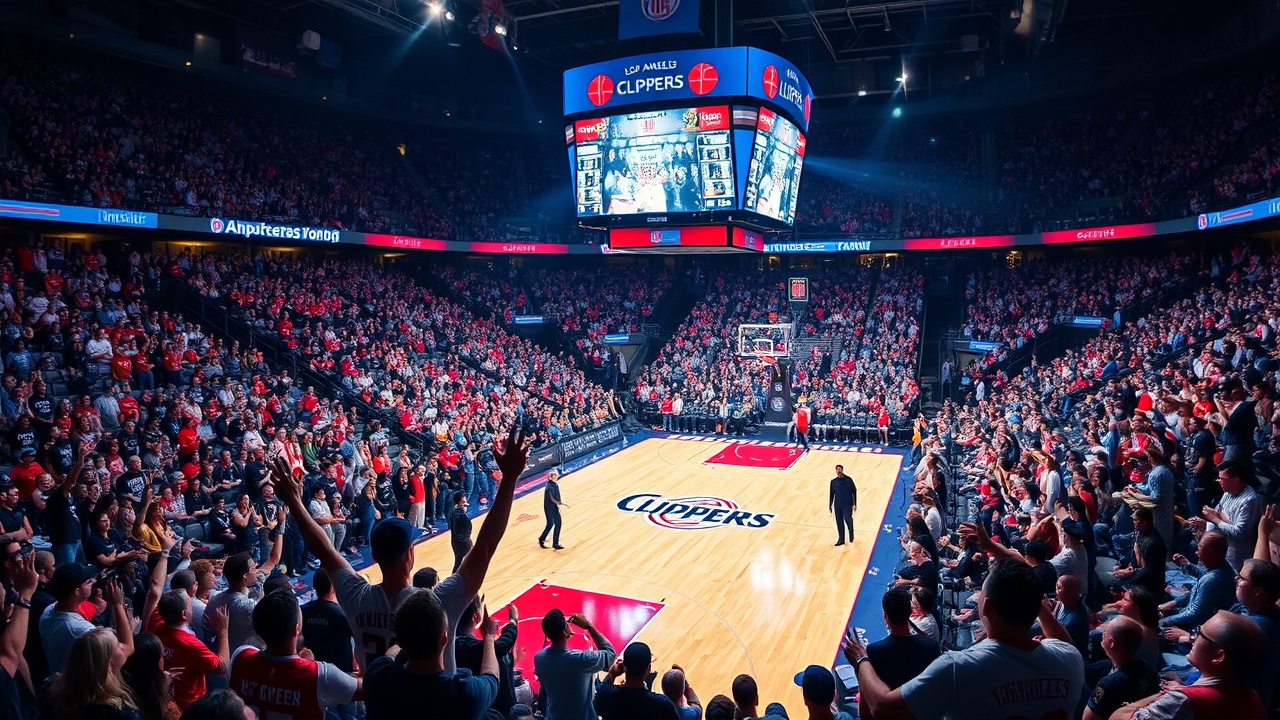
Inglewood, California, has become a notable venue for basketball fans, especially with the San Antonio Spurs visiting the newly constructed Intuit Dome, home of the LA Clippers. On an evening in March, Spurs guard Stephon Castle found himself at the free-throw line facing a unique challenge: a 10-foot NBA basket loomed above him, while a lively crowd of 300 spirited Clippers supporters, known as “The Swell,” encouraged him to falter. Their chants of “MISS” and energetic antics included waving lime-green alien inflatables, a playful nod to Castle’s teammate, Victor Wembanyama.
The Vision Behind the Intuit Dome
The design of the Intuit Dome, heavily influenced by Clippers owner Steve Ballmer‘s vision for an unparalleled home-court advantage, aims to transform the spectator experience into something immersive and participatory. This concept materialized after extensive exploration of vibrant fan environments across the country, ultimately shaping “The Wall.” This seating area features 4,500 seats organized into 51 continuous rows, with the first 13 rows—the heart of “The Swell”—reserved for die-hard fans eager to engage with the game actively. Fans have been known to queue up for hours before tip-off, as seating is allocated based on order of arrival rather than specific assigned spots.
The Impact of The Wall
Statistically, the presence of The Wall has created a daunting atmosphere for visiting teams. Last season, opponents playing against the Clippers shot 73.4% from the free-throw line, a ranking that would place that statistic as the worst in the league if viewed collectively. Gillian Zucker, CEO of Halo Sports & Entertainment, emphasized that at the Intuit Dome, fans are not mere spectators but integral participants in the game’s atmosphere.
The Clippers’ Journey
In rich history, the Clippers spent 25 seasons sharing the Crypto.com Arena with the more celebrated Lakers, who have a storied legacy marked by five championships, thus overshadowing the Clippers’ presence. Back in 2013, in a bold move reflecting the “Lob City” era, head coach Doc Rivers covered Lakers’ banners with ones representing the Clippers to claim their space. This shift marked a turning point in elevating the Clippers’ identity within the same walls.
Creating a Unique Fan Experience
The construction of the Intuit Dome was crucial for the Clippers to carve out their own narrative, fulfilling Ballmer’s long-term ambition. Drawing inspiration from boisterous student sections at universities and fervent soccer fans in Europe, the team aspired to consolidate a similarly energetic environment. They settled on the engaging dynamics of the Grand Canyon University student section, “The Havocs,” known for their spirited atmosphere during basketball games.
The Community Spirit of The Swell
In a bid to ensure that the Swell and Wall would thrive as key components of the arena, Clippers officials meticulously designed these sections to be not just a location but a cultural hub within the arena, fostering camaraderie among fans. As visitors navigate to one of the first three standing-only rows of the Swell, they become part of an enthusiastic community driven by a collective passion for the game. On game days, the atmosphere is lively; there are pranks, coordinated chants, and a distinct sense of ownership over the game-day experience.
Experiencing The Swell
During my time experiencing the Swell firsthand, I quickly learned the key to blending in: volume and enthusiasm. The community I joined was marked by a theme of solidarity, borrowing elements from popular culture, such as matching “Men in Black” attire, while integrating fun shenanigans aimed at riling up the opposing team.
Fans interact with each other as they cheer, boo, and celebrate throughout the game, creating a bond that strengthens through shared experiences, independent of wins or losses. As the Spurs faced the Clippers, I observed how the chants erupted, spurring the team and providing a much-needed distraction to the opponents.
Conclusion
Despite the passion and persistence in The Swell, San Antonio ultimately secured a narrow victory, winning 119-115. Yet, even in defeat, my temporary role as a Swell participant illuminated the deep-rooted community spirit that the Clippers’ fan sections embody. Conversations with fellow fans affirmed a sense of belonging among this group united by their love for the team. With each interaction, I felt less like an outsider and more like an accepted part of the chaotic, yet exhilarating atmosphere that the Intuit Dome promises.
As I concluded my night and reflected on this newfound camaraderie, I realized that the Clippers’ subculture within the Intuit Dome has successfully established itself as a stalwart of community spirit meant to galvanize support and foster lasting friendships among its most dedicated followers, ensuring that the Clippers’ story continues to be written in bold, unique strokes.