
Zuffa Boxing’s Upcoming Premiere
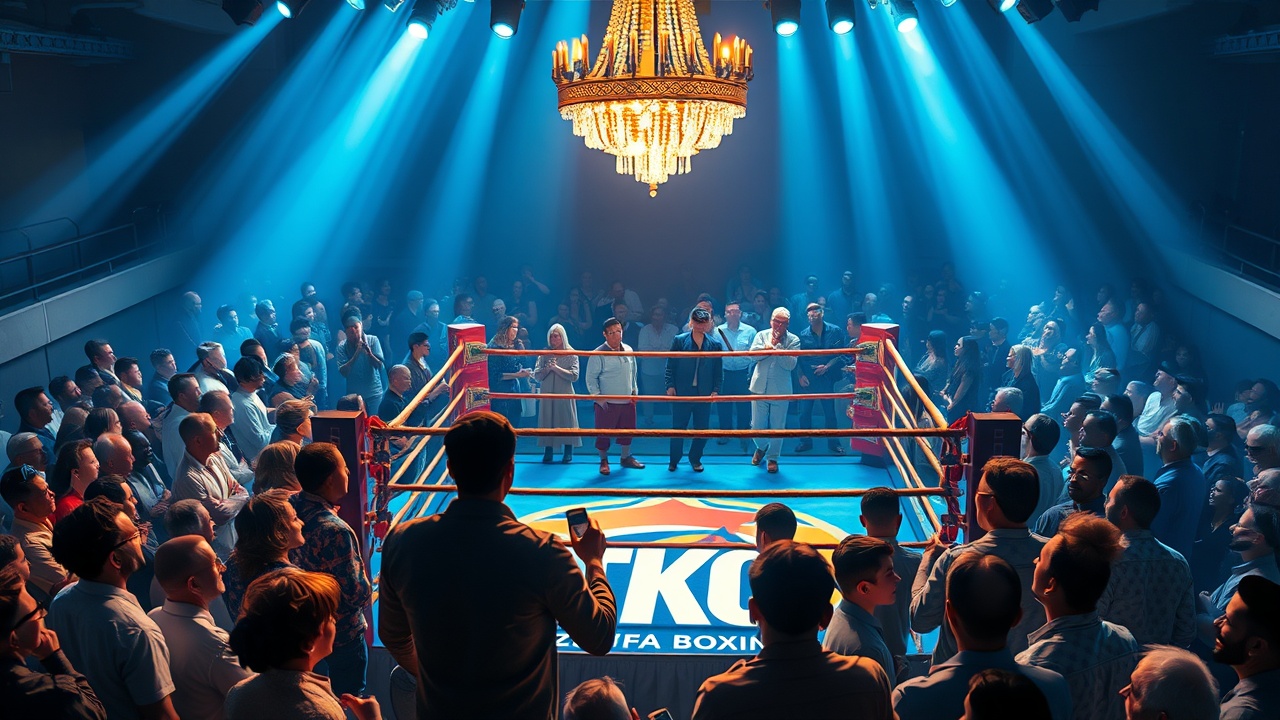
As Zuffa Boxing gears up for its much-anticipated premiere on Paramount+, scheduled in just two days, the specifics surrounding its operational framework remain largely unclear. The announcement made by Dana White last March about TKO’s venture into boxing hinted at groundbreaking shifts in the industry, particularly the adoption of a model reminiscent of the UFC’s successful hierarchical structure. Yet, nearly a year later, concrete details about this initiative are still elusive. Adding to the intrigue is the recent signing of Jai Opetaia, the IBF cruiserweight champion, a development that complicates the unclear narrative of the organization’s intentions.
Pivotal Questions Surrounding Zuffa Boxing
In light of Zuffa Boxing’s upcoming launch, several pivotal questions arise:
- Will Zuffa Boxing Acknowledge Current Sanctioning Bodies?
If there’s a fighter whose ambition is to claim every belt and be recognized as the undisputed champion, it’s the Australian Jai Opetaia. Known for his strong fighter ethos and resilience—he famously overcame a broken jaw to clinch his first world title against Mairis Briedis—Opetaia’s singular focus has been on unifying the cruiserweight division. Despite his relentless pursuit, he has often faced reluctance from other champions to enter the ring with him, including a recent proposal to share part of his purse to entice WBO champion Chris Billam-Smith to fight, which was ultimately rebuffed. With Opetaia now joining Zuffa, questions surface about Dana White’s previously stated commitment to disregarding existing sanctioning bodies in favor of establishing a singular Zuffa championship belt—something that cannot materialize until the Muhammad Ali American Boxing Revival Act is enacted. Though Opetaia has expressed a desire for significant fights and title defenses under the Zuffa umbrella, the apparent contradiction raises doubts about White’s intentions. - What Weight Categories Will Be Utilized in Zuffa Boxing?
When discussing weight divisions, Dana White mentioned that he intends to simplify boxing by maintaining only the foundational weight classes. For the initial event in Las Vegas, however, only five divisions—bantamweight, featherweight, lightweight, welterweight, and middleweight—will be showcased, excluding super and junior categories. This has led to ambiguity regarding fighters like Opetaia, who competes at cruiserweight, a division established just over 35 years ago. If this weight class is deemed irrelevant by Zuffa, it could severely hinder Opetaia’s aspirations of becoming the undisputed champion in his division. - Is Boxing Set to Take a Backseat to UFC Events?
Current scheduling indicates that Zuffa Boxing events might consistently follow UFC shows, potentially signaling a lack of equal importance assigned to boxing events. Despite the sport’s rich legacy in producing monumental nights in combat sports, it appears that the paramount focus is reserved for UFC events, leading to speculation about boxing’s perceived status within TKO’s broader strategy. With the substantial media rights deal TKO negotiated with Paramount, details about the specifics concerning boxing remain scant, particularly in contrast to the UFC’s lucrative agreement. - How Will TKO Attract Top Boxing Talent Without Disrupting Their Financial Model?
The UFC’s revenue sharing has historically favored the organization, with fighters earning around 16% of total revenue, unlike other sports where athletes may garner closer to half. White has long criticized boxing’s traditional compensation model, which often allocates a much larger percentage of earnings directly to the fighters. With TKO’s aspirations to engage prominent boxing figures such as Oleksandr Usyk, the organization’s ability to offer competitive payouts could present challenges and inequalities compared to UFC’s established payment structure. Recent legislative adjustments to the Muhammad Ali American Boxing Revival Act also imply changes that could elevate boxer rights and financial options, further complicating Zuffa’s operational dynamics.
Conclusion
As Zuffa Boxing prepares to make its entrance into the sport, the unfolding narrative raises significant questions about its structure, its approach to current boxing paradigms, and its capacity to deliver on the ambitious promises made just a year prior.