
Introduction to Biathlon
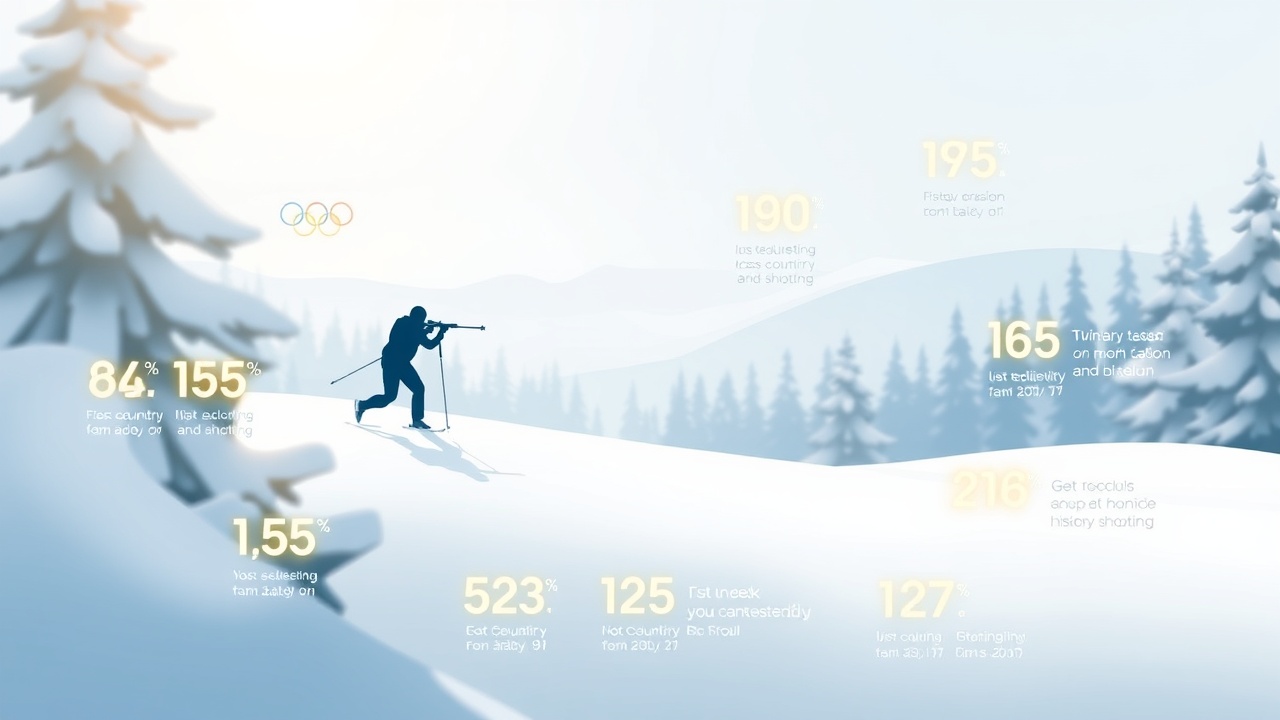
Located in Anterselva, Italy, the world of biathlon melds cross-country skiing and marksmanship in a test of endurance and skill. To achieve success at the Olympic level, athletes must undergo extensive training, often exceeding 700 hours annually. This physical preparation is complemented by specialized, high-cost gear such as rifles designed for cold weather, finely-tuned skis, and a robust support team that includes technicians and coaches.
Logistics and Statistics of Biathlon
An insight into the logistics of biathlon reveals a myriad of fascinating statistics that elucidate the sport’s demands:
- Ski Preparation: Technicians play a vital role in the biathlon, with four to eight individuals preparing hundreds of skis before major competitions. They meticulously apply edge grinding and wax to ensure optimal performance on varying snow conditions, dedicating numerous hours to testing.
- Ski Collection: Each competitor typically carries 10 to 30 pairs of skis for an event, tailored to different snow types and conditions, incorporating unique flex characteristics.
- Training Commitment: Biathletes are relentless in their training regimens, logging 700 to 1,000 hours yearly. This encompasses physical conditioning and target practice, including dry-firing sessions without live ammunition.
- Ammunition Usage: Annually, top-tier athletes expend between 10,000 and 20,000 bullets during their training and competitions. They utilize rifles equipped with four magazines, tailored for different race formats, ensuring they are well-prepared for both shooting ranges and competitive events.
- Equipment Costs: A high-quality biathlon rifle, such as the German Anschütz model, generally retails around $4,000. These rifles are engineered to be lightweight and durable, featuring custom-fitted stocks for individual athletes, as well as snow protection for the sights and harnesses for ease of carry.
- Performance Metrics: During peak exertion, a biathlete can reach heart rates up to 190 beats per minute while tackling difficult uphill stretches. As they transition to shooting, this rate can moderate to about 160 beats per minute, showcasing the physical strain combined with the mental focus required.
- Race Participation: Elite biathletes may compete in 20 to 40 races a year, with the intensive travel schedule demanding effective recovery strategies to maintain peak performance throughout the season.
- Speed Records: In steep descents, competitors may achieve speeds of 70 to 80 km/h, a further testament to the sport’s exhilarating challenges.
- Equipment Breakage: Biathletes often face equipment wear and tear; on average, they might break three ski poles annually due to falls or collisions. The .22-caliber rifles they employ can experience up to ten broken firing pins throughout a season, particularly during rigorous dry-fire practice sessions.
Conclusion
The world of biathlon is not only a test of physical endurance but also a complex interplay of logistics, preparation, and skill. Athletes dedicate countless hours and resources to excel in this demanding sport, showcasing their commitment and passion.