
Fran Fraschilla’s Perspective on Big 12 Basketball
Fran Fraschilla, a seasoned analyst for ESPN and a former college coach, enjoys the privilege of observing thrilling college basketball matchups in the Big 12. Referring to his role as more of a pleasure than a job, Fraschilla quips, “They pay me to travel, not to work,” emphasizing how fortunate he feels to witness the league’s evolution over two decades.
Big 12’s Competitive Edge
As a respected voice of the Big 12, Fraschilla champions the conference, especially in a season characterized by exceptional skill and excitement. While the SEC dominated the NCAA Tournament bids with ten selections, insiders believe that the most competitive teams reside in the Big 12. The conference secured eight slots for the tournament, with Fraschilla singling out three teams—No. 1 seed Arizona and No. 2 seeds Houston and Iowa State—as having strong Final Four potential.
He acknowledges that injuries impacted the list of contenders, mentioning Texas Tech’s JT Toppin and BYU’s Richie Saunders, both of whom suffered setbacks during February. When discussing national championship prospects, Fraschilla has high praise for Arizona, stating,
“I give Arizona as good a chance as anybody in the field to cut down the nets in Indianapolis.”
He highlights their strength, particularly noting that several players from last year’s Sweet 16 squad continue to play vital roles this season.
Arizona’s Impressive Roster
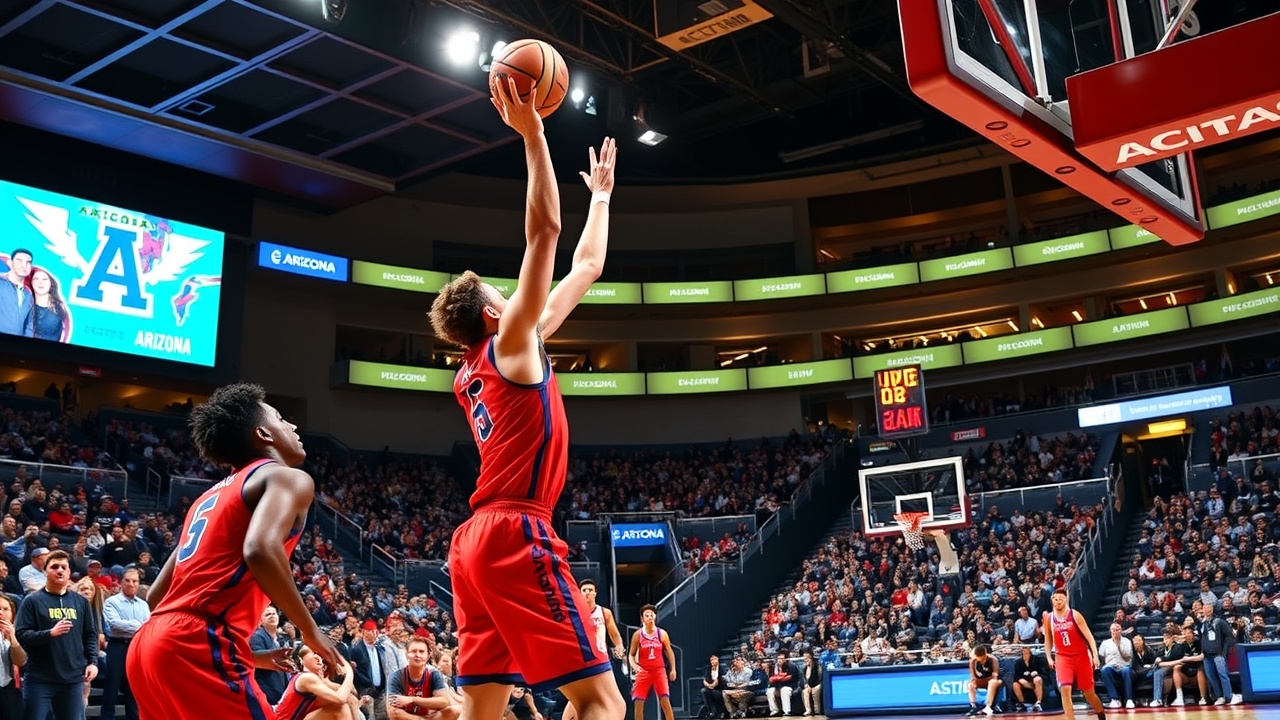
Arizona’s roster is impressive, with every starter averaging in double digits scoring. Fraschilla describes them as “an old-school, bludgeon-you-inside team” that boasts exceptional talent in the post and a top-notch point guard in Jaden Bradley. The addition of talented freshman Brayden Burries only enhances the team’s prospects.
Despite Arizona’s mixed results in past NCAA tournaments, Fraschilla argues that the present squad’s mindset is what really matters. He suggests that they play with a confidence that shields them from the doubts of history.
“They play like they’re in a cocoon,”
he observes. This focus, combined with analytical support from Ken Pomeroy’s well-regarded basketball metrics, positions Arizona, Houston, and Iowa State among the leading teams nationally.
Big 12’s Resilience and Future
The success of the Big 12 has also been evident during their primetime “Big Monday” games, which have grown in popularity, drawing an average of 1.7 million viewers—double the audience from previous seasons. This surge reflects the conference’s resilience amid the challenges of realignment, particularly after the departure of prominent programs like Oklahoma and Texas to the richer SEC.
In response to these challenges, the conference adapted by welcoming new teams like BYU and Cincinnati while solidifying its foundation by attracting other high-profile schools from the Pac-12 under new commissioner Brett Yormark’s leadership. With this strategic expansion, the Big 12 has strengthened its reputation in college basketball, overshadowing doubts about its survival post-realignment.
Yormark emphasizes the conference’s status as arguably the second-best in the nation after the NBA, positioning them to take advantage of future media deals. As Arizona leads the charge in this campaign for college basketball supremacy, Fraschilla concludes that the team possesses an attitude that suggests they are indeed ready for the pressures of the tournament.