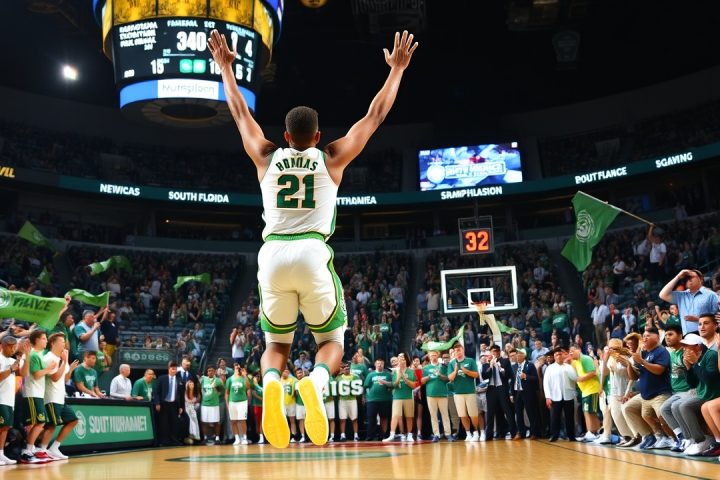


March Sadness: The Disappointment of Excluded Teams
Among the teams excluded from the 2026 NCAA Tournament, Selection Sunday marked the onset of disappointment, commonly referred to as March sadness. Each year, numerous squads vie for a coveted spot in the tournament, showcasing their skill and potential throughout the season. However, despite their accomplishments, the selection committee ultimately overlooks some candidates, citing deficiencies in their overall performance history.
Heartache and Frustration
The process culminates in heartache for teams, as many feel they deserve recognition in the tournament. This year, while the quality of at-large entrants may not have been as formidable as in past seasons, several squads find themselves justifiably frustrated by their exclusion. The annual excitement of March Madness also includes opportunities for fans to engage, like USA TODAY’s Bracket Challenge and Survivor Pool.
Case Studies of Excluded Teams
Among those feeling the sting of exclusion is Oklahoma, a team that rallied impressively late in the season. After struggling with a 13-14 record, the Sooners turned their fate around dramatically, clinching six consecutive wins, including critical Quad 1 victories to improve their credentials. Despite a commendable showing in the SEC tournament, where they narrowly lost to Arkansas, their efforts were insufficient to secure a spot in the tournament, as committee members weighed their entire season rather than just their closing momentum.
San Diego State also faced disappointment, coming perilously close to earning an automatic bid from the Mountain West Conference. Although the Aztecs secured a strong finish in their conference and earned a victory over championship winner Utah State, their overall portfolio was not impressive enough for at-large consideration. Following a loss to Utah State in the conference finals, their NET ranking dropped, leaving them at 47th, ultimately causing them to miss out—marking the first time since 2017 that the Mountain West will only send one representative to the NCAA tournament.
Similarly, New Mexico’s disappointment encapsulates the harsh reality of competitive college basketball. The Lobos, who posted decent performance metrics, including victories over NCAA tournament qualifiers like VCU, struggled with a series of close losses. Their mixed results and a couple of Quad 3 defeats were significant deterrents in the eyes of the selection committee, overshadowing their potential and competitiveness.
Belmont, another team feeling overlooked this season, found itself at a disadvantage as mid-major teams like them often struggle to gain recognition. Despite having a stellar season as the Missouri Valley Conference champions and finishing with 26 victories, Belmont fell short after an early exit from their conference tournament. Their other impressive stats, such as a Quad 1 win, could not compensate for the lack of an automatic tournament entry either.
The Unpredictability of Selection
The exclusion of these teams highlights the oft-agonizing nature of NCAA selection processes and the inherent unpredictability of March Madness. Selection criteria continue to spark considerable debate among teams and fans alike regarding the fairness and thoroughness of the evaluation process.