

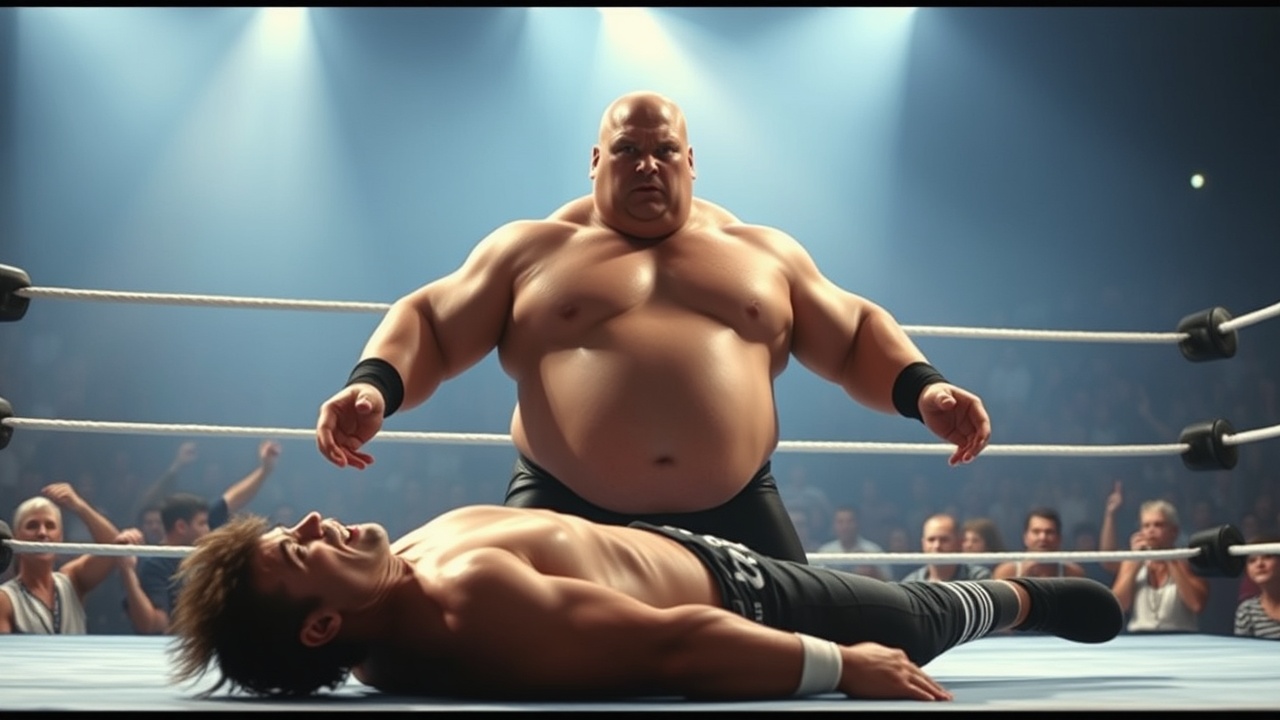
The Controversial Encounter at WrestleMania XV
The 1999 encounter between Eric “Butterbean” Esch and Bart Gunn stands out as one of the most controversial moments in WrestleMania history. This clash, which took place at WrestleMania XV in Philadelphia, raises critical questions about the authenticity of combat in scripted wrestling shows. Was this explosive matchup a genuine fight or a predetermined spectacle? In an engaging analysis, Sean Wheelock, a respected commentator and combative sports historian, aims to dissect this infamous bout, part of the larger historical context of mixed martial arts and boxing matches that have sparked debate over whether they were legitimate competitions (Shoots) or staged events (Works).
The Fighters: Butterbean and Bart Gunn
Eric “Butterbean” Esch, a super heavyweight boxer known for his striking power, faced off against Bart Gunn, a wrestler fresh off a surprise victory in the WWF’s Brawl For All tournament. Scheduled as the fifth match during the high-profile WrestleMania XV, this bout was supposed to showcase Gunn’s unexpected rise to prominence after winning the tournament, culminating in a $100,000 prize for his efforts. Gunn had surprising victories over more seasoned wrestlers like Steve “Dr. Death” Williams, leading to his unexpected main-event status. He had emerged from obscurity within the WWF ranks, thanks to his unexpected success in the tournament—a trajectory that most fans and officials had doubted at the outset.
Butterbean, standing at 330 pounds and sporting his signature red, white, and blue trunks, entered the ring with a solid record of 42 wins, 1 loss, and 1 draw, having gained notoriety through his previous performances in toughman contests and lower-tier boxing. His reputation was built on actual fights that showcased his knockout capabilities, despite his image as a novelty act within the sport. On the other hand, Gunn, weighing 250 pounds and slightly taller, was viewed as a mere novice in the boxing ring, despite being successful in the world of professional wrestling.
The Fight: A Mismatch from the Start
As the fight began, Butterbean wasted little time establishing control, landing heavy punches that quickly put Gunn on the defensive. Although established boxing rules were intended to create a fair contest, the match depicted a clear mismatch from the outset. Fury unfolded swiftly—Butterbean’s relentless assault culminated in a devastating overhand right that knocked Gunn out just 35 seconds into the bout, drawing swift attention from commentators and audiences alike. This knockout prompted discussions about the nature of the fight; some questioned whether Butterbean’s victory felt too predictable, due in part to the context surrounding its promotion within a scripted wrestling event.
Speculations and Aftermath
Critics have speculated on WWF’s intent in making this fight match-up, suggesting that it could signal a conspiracy to punish Gunn for his Brawl For All success. However, others argue that executive misjudgment played a significant role, as they grossly underestimated Butterbean’s professional boxing experience and capability in the ring, failing to comprehend the stark differences between pro wrestling and actual boxing.
In support of the idea that this match was genuine, the sheer violence of Butterbean’s final punch on Gunn serves as a strong testament. The fight was not under the scrutiny of the Pennsylvania Athletic Commission, a point that raises eyebrows and adds intrigue to the event’s legitimacy. With the WWF’s past dealings in boxing on their shows and fully aware of how their matches were perceived, questions continue over whether the result was invariantly preordained or if proper fight standards could have genuinely incited such a result.
The Legacy of Butterbean vs. Gunn
As the Brawl For All tournament had only recently concluded, audiences witnessed a memorable display, encapsulating the strange and complicated intersection of scripted wrestling and real combat sports. The decision to position Butterbean against Gunn perhaps reveals more about the WWF’s understanding of combat sports than what ultimately transpired in the ring, showcasing a statistical imbalance that allowed a genuine fighter to penetrate the unsafe boundaries of a wrestling event.
The complex legacy of Butterbean versus Gunn persistently captivates combat sports enthusiasts and historians. The aftermath continues to serve as a lesson in the realm of fight promotion and the fine line between entertainment and genuine athletic competition, an inquiry that perpetually invites further exploration and debate.