
NHL Playoffs and Officiating Concerns
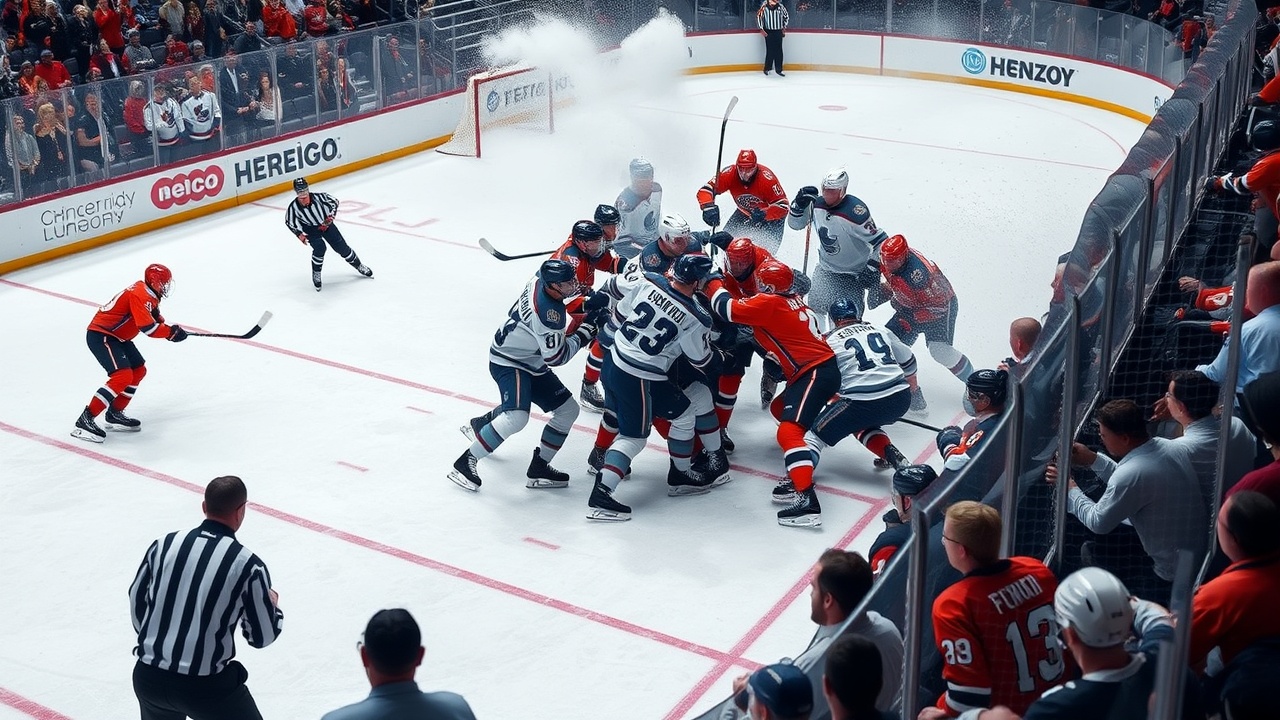
RALEIGH, N.C. (AP) — As the NHL playoffs unfold, Carolina Hurricanes head coach Rod Brind’Amour emphasizes the need for enhanced officiating assistance amidst the high-stake atmosphere of postseason hockey. While acknowledging the skill of NHL referees, he advocates for increased use of replay technology to assess not only penalties but the complex interactions during scrums that frequently escalate with playoff tensions.
Current Series and Penalty Statistics
With his team ahead 2-0 in their second-round series against Philadelphia, Brind’Amour stated,
“We undoubtedly have the best officials. No one delivers better officiating. But it can be challenging to see the full context of certain penalties in a fast-paced game. A quick review could clarify misinterpretations of events on the ice.”
Statistically, the current playoff series are resulting in an average of 10.6 penalties per game and 25.1 penalty minutes, marking the highest levels since 2009. This year’s postseason figures highlight the frequency of impactful calls, revealing a dynamic marked by intensity and the potential for controversy in officiating decisions.
Reviewing Major Penalties
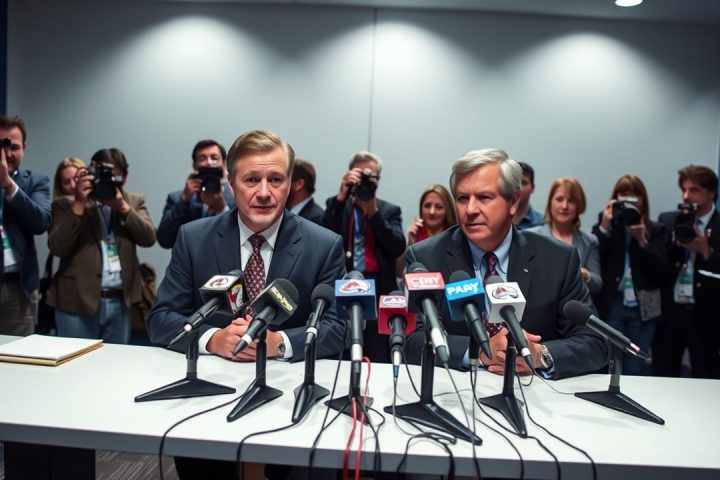
Under current rules, officials can review certain major and match penalties, as well as double-minor high-sticking incidents, allowing them to either confirm or amend calls based on video evidence. NHL Commissioner Gary Bettman steered praise towards referees during a recent appearance on ESPN, reiterating the challenging nature of their roles as they navigate high-speed action while making crucial decisions. He affirmed that video reviews could bolster the credibility of their judgments.
Concerns from Previous Incidents
Brind’Amour’s concerns stemmed from previous incidents, particularly after a first-round series against Ottawa, where player Ridly Greig delivered unpenalized punches to his defenseman, Sean Walker. Despite the NHL later issuing a two-game suspension to Greig, Brind’Amour criticized the officiating in that game for missing the assaults.
“That kind of incident shouldn’t happen. It highlights the importance of getting the calls right in crucial moments,”
he remarked.
Debate Over Replay Usage
The debate over expanded use of replays continues, with players and coaches weighing in on its potential impact. Buffalo Sabres forward Josh Dunne expressed skepticism about how effectively replay could dissect scrum scenarios, noting the ambiguity in how penalties arise from such conflicts. Sabres coach Lindy Ruff humorously remarked on the potential for players to exploit video review by intentionally embellishing contact, suggesting that more reviews could lead to an increase in acting on the ice.
Ensuring Fair Play
In the heated environment of playoff hockey, Brind’Amour has underscored the necessity of combating embellishment and ensuring fair play. Just a few days after a controversial call against Hurricanes forward Jordan Martinook for high-sticking, which appeared to be influenced by Flyers defenseman Nick Seeler’s theatrics, Brind’Amour reiterated the critical nature of refining the officiating process to uphold the game’s integrity.
While some players, including Colorado Avalanche forward Brock Nelson, embraced the current state of officiating and cautioned against changing too many rules, the ongoing discourse regarding officiating standards in the NHL illustrates a league grappling with balancing tradition and the realities of a fast-paced sport.
Conclusion
As discussions continue regarding the potential integration of further replay reviews, the overarching goal remains clear: to ensure appropriate decision-making in the pursuit of hockey’s ultimate prize—the Stanley Cup.
Contributions to this report were made by AP Hockey Writer John Wawrow in Buffalo, New York, and AP Sports Writers Mark Anderson in Las Vegas and Pat Graham in Denver.